
The Trap: Mistaking Efficiency for Resilience
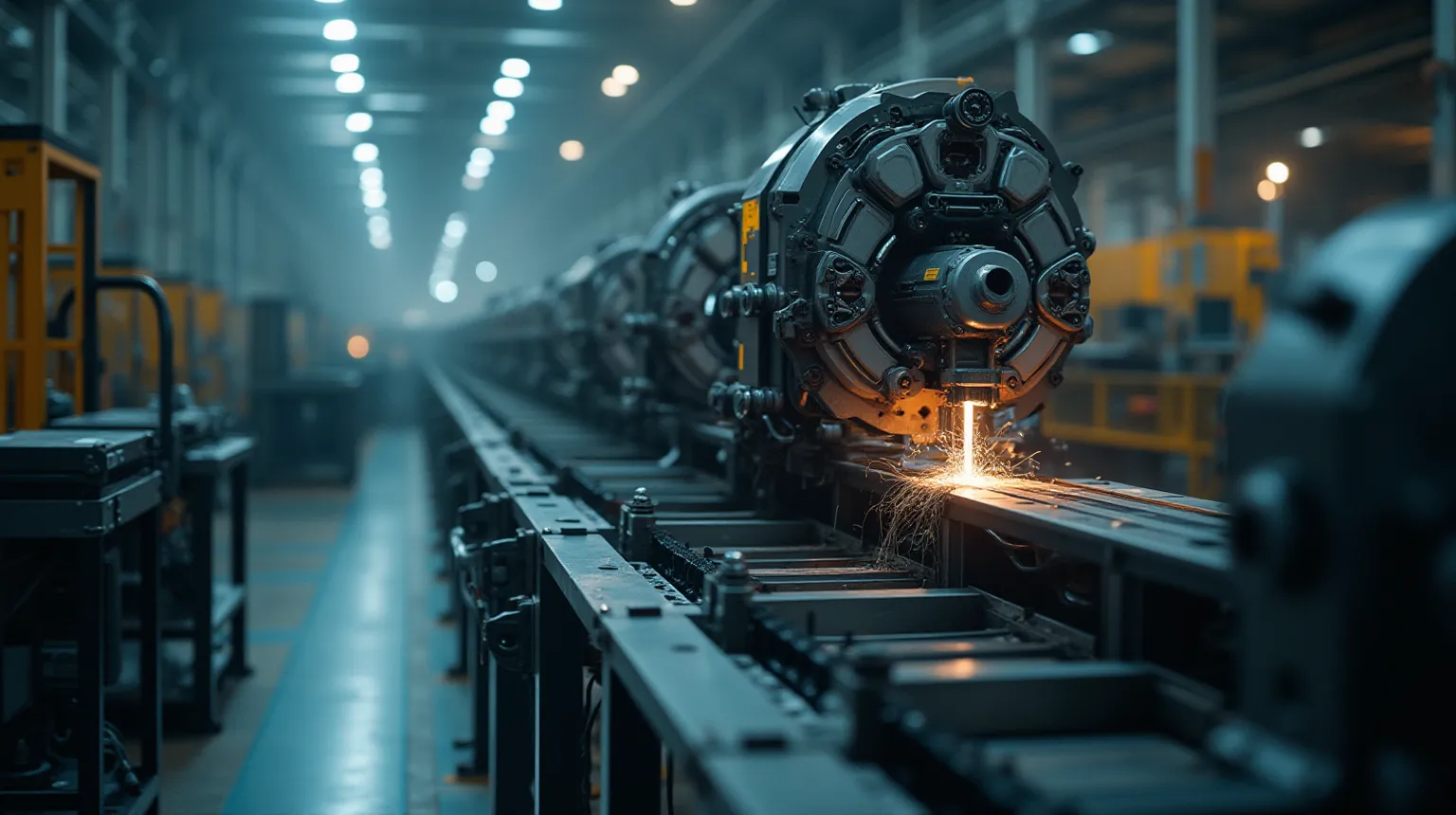
A digital twin is not a magic wand for productivity; it is a mirror held up to your operations. Too often, I see companies build these high-fidelity models and use them exclusively as tools for optimization—trying to shave seconds off a cycle time or squeeze an extra percentage of throughput out of a bottlenecked station. While those things matter on the balance sheet, they are only half of the story.
We have fallen into a trap where we mistake "running lean" for "being prepared." In many plants I’ve visited, the digital twin is used to find the fastest way forward under perfect conditions. But perfection is not a condition you can count on in manufacturing. If your model only tells you how to run faster when everything is working correctly, it isn't giving you the full picture. It is just another way of making "the status quo" look more efficient.
True value comes from using these models to simulate failure. A digital twin should be used to find where the system breaks—not just where it can go faster. We need to move away from using technology to polish a smooth surface and start using it to stress-test the underlying structure. If you aren't using your data to ask, "What happens when this sensor fails?" or "How does the line react if that supplier misses their window?", then you are merely optimizing for today while remaining vulnerable to tomorrow’s disruptions.
Naming the Failure: The Operational Blind Spot
When a system is designed only for optimal flow, it develops what I call The Operational Blind Spot. This occurs when your planning assumes 100% uptime for every component in the chain. You see a smooth line on a screen; the operator on the floor sees a series of fragile dependencies that are waiting to buckle under pressure.
We often mistake "availability" for "resilience." Just because a machine is currently running doesn't mean your process can survive its failure. Many organizations have their "contingency plans" tucked away in binders that no one opens until the smoke is already visible. They aren't planning; they are just hoping.
| The Comfortable Rationalization | The Underlying Reality |
|---|---|
| "Our supply chain is optimized for Just-In-Time delivery." | We have zero buffer if a primary logistics lane is blocked. |
| "The automated system handles the logic of rerouting." | No human on the floor knows how to manually override the gate. |
| "We have multiple vendors for our core components." | Only one vendor can actually meet our lead-time requirements during a surge. |
| "Our digital twin shows us exactly where we are losing time." | The model doesn't show us what happens when the sensor goes dark. |
What Really Happens When You Stress-Test

When you move beyond optimization and start running stress tests, you see the truth of your operation. It starts with a single point of failure—a pump that sticks, a software glitch in the ERP, or a pallet that doesn't arrive on time. In an "optimized" system without resilience, these aren't isolated incidents; they are catalysts for cascading failures.
I have seen this play out repeatedly: a minor hiccup at one station causes a backup that starves the next station of parts, which then forces a manual workaround that creates a safety risk or a quality defect three steps down the line. Because no one modeled the "broken" state, the team on the floor is forced to improvise in real-time. They are making high-stakes decisions with no time to think, often resulting in "quick fixes" that become permanent habits—or worse, they lead to a total production halt because the logic of the system cannot handle an exception.
Stress testing reveals where your "standard work" is actually just a polite fiction. It exposes the moments where the process drifts into chaos because there was no pre-planned path for when things go wrong. You aren't looking for ways to make it faster; you are looking for the seams where the operation begins to unravel.
The Four Pillars of Resilience Rehearsal
To move from a model that just "works" to one that survives, we must build resilience into the very architecture of your operations. This requires moving through four specific stages:
- Dependency Mapping: You cannot protect what you haven't mapped. Use the digital twin to identify every single point where a failure would stop production—not just machines, but power feeds, data links, and human hand-offs.
- Scenario Injection: Instead of modeling "normal" days, model the "bad" ones. Purposely break parts of your digital model: shut down a primary feeder, simulate a 48-hour delay in raw materials, or drop a communication link between the warehouse and the floor.
- Decision Branching: For every failure point identified, you must map out the logic tree for the human operators. If X fails, do they call maintenance? Do they switch to manual mode? They should never have to "figure it out" while the line is down.
- Manual Override Validation: A digital twin can simulate a machine's failure, but it cannot always simulate the grace of a skilled human operator working around that failure. You must physically walk the floor and practice the manual workarounds until they are as familiar to the staff as the automated ones.
Making the Model Talk: Key Governance Checks
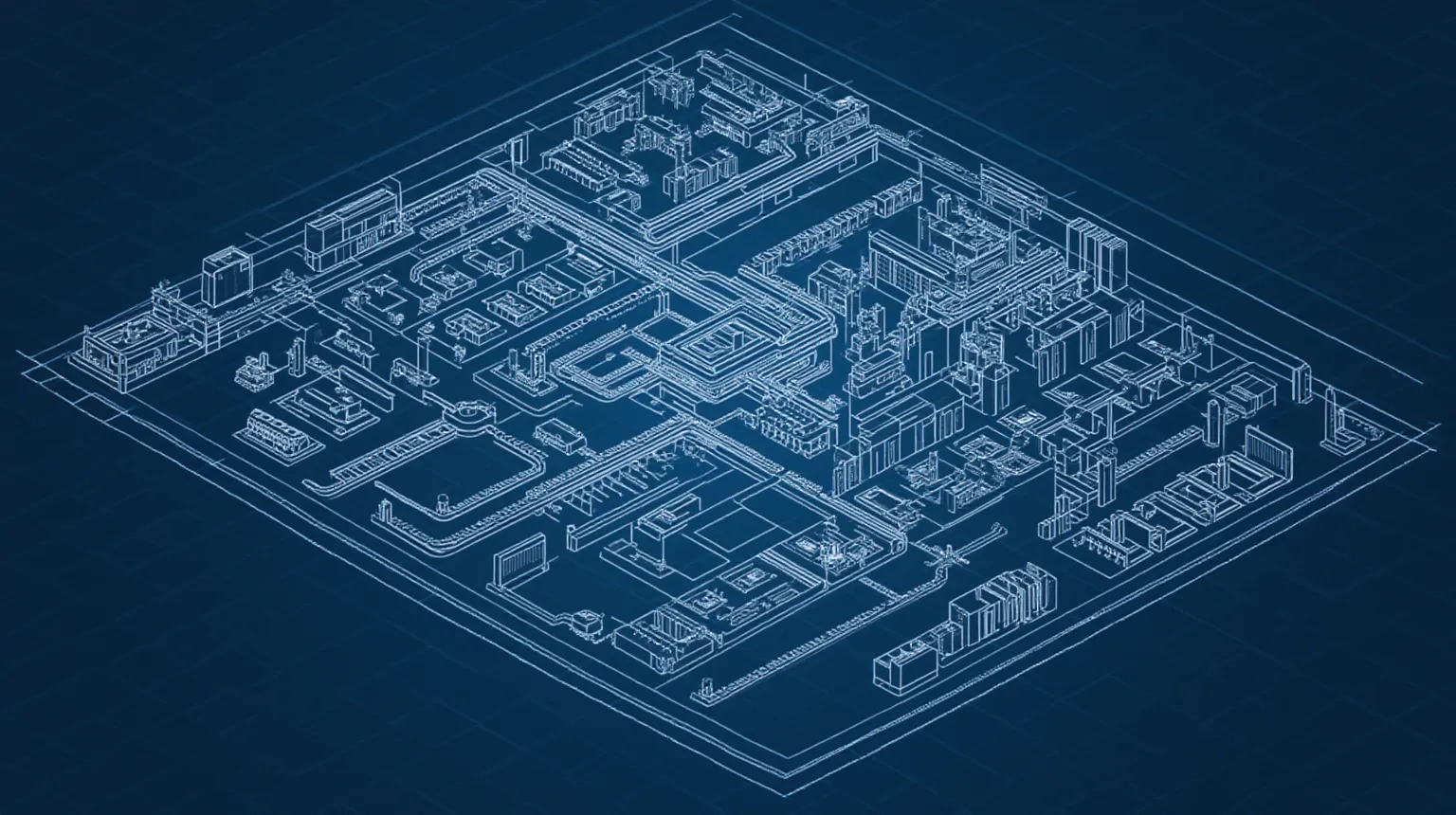
A sophisticated digital twin is useless if it stays in the office on a screen used only by engineers. To make the model "talk" to your operation, you must translate its data into tangible governance tools that live where the work happens. The goal isn't more data; it’s better instructions for when things go wrong.
First, we need Actionable Decision Trees. When a specific alert triggers on the floor, the operator should have a clear, printed card or digital prompt: "If Alarm X occurs, follow Protocol Y." This removes the panic of the moment and replaces it with a rehearsed response.
Second, you must establish Communication Protocols. A failure in one area often requires an immediate shift in resources from another. Your model should help define who needs to be called at 2:00 AM, what information they need immediately, and how that information flows up the chain so leadership isn't blindsided by a "sudden" problem they could have seen coming.
Finally, you must verify Standard Work for Exceptions. Most standard work focuses on how to do the job right. You also need standard work for when the job goes wrong. This means training your people not just to operate the machine, but to manage the transition from "automatic mode" to "recovery mode." The model provides the map; your governance ensures everyone knows how to drive through the detour.
Takeaways for Tomorrow's Meeting
Don't walk away from this and simply talk about the technology of digital twins. Focus on the capability they provide: the ability to rehearse for failure. Here is what you can do starting tomorrow:
- Identify One "Critical Failure" Point: Pick one machine or process step that, if it stopped today, would shut down your entire operation. Do not look at how to make it faster; identify exactly why it is a single point of failure.
- Demand a "Failure Scenario" Report: Ask your engineering team to show you what the digital twin looks like when that specific machine goes offline. Do they have a model for the fallout, or just a model for the operation?
- Draft a Decision Tree: For the chosen failure point, draft a simple three-step instruction: 1) What is the immediate action? 2. Who is notified? 3. What is the temporary work-around to keep the line moving?
- Schedule a "Ghost Run": Once a month, pick one system and intentionally simulate its failure during a planned downtime period. Practice the manual transition until it becomes muscle memory for the operators on that shift.
Download and Share This Issue
Call to Action
What single dependency in your organization—be it human knowledge or critical machinery—has not been rigorously tested? Share your biggest governance blind spot with us at [email protected] and tag a colleague who needs this diagnosis.
Newsletter replies and questions: [email protected]
Follow updates on X.com: @kaizen_6sigma
References
MIT Sloan Review: Rehearsal Intelligence Using Digital Twins for Crisis Readiness