Diagnosis: The Dashboard Syndrome
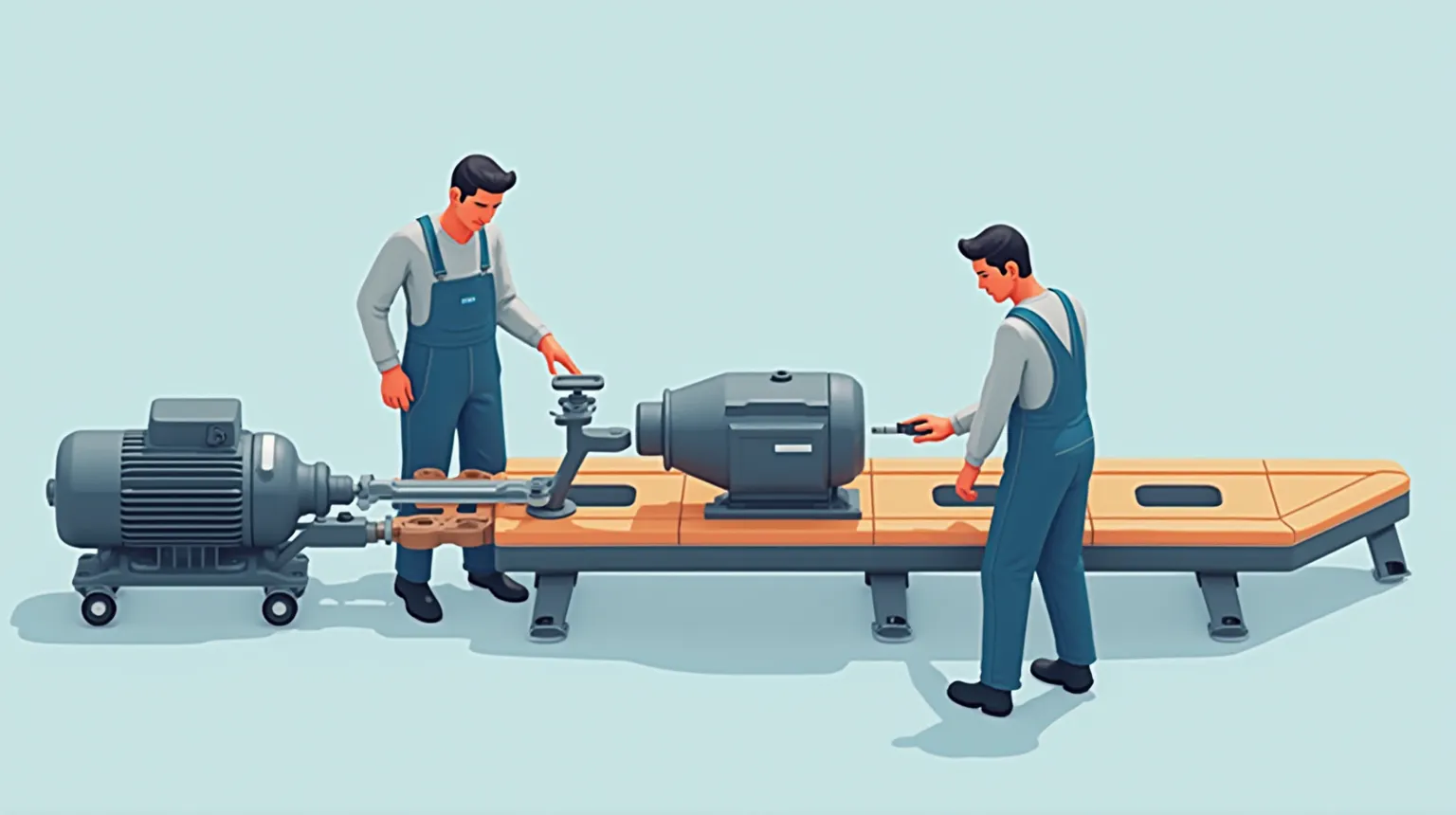
I have spent years walking shop floors where the "solution" to a recurring problem was simply to build a better way to see that the problem was happening. You see it every time a manager installs a new digital dashboard to track downtime, yet the machine keeps breaking down at 3 AM because no one changed the maintenance schedule or the training protocol.
This is The Dashboard Syndrome. It is the mistake of treating Artificial Intelligence as a reporting tool rather than an operational system. When you treat AI like a dashboard, you are just looking for a prettier way to watch your process fail in real-time. You are collecting data on "what happened" without building a mechanism to change what happens next.
I once saw a plant invest heavily into an AI pilot designed to "analyze" quality defects. They spent months perfecting the algorithm that could identify cracks in components, but they never updated their standard work for how the operator should react when the system flagged one. The result was a high-tech waste of capital: they had a world-class way of identifying problems that stayed exactly as hard to solve as they were before the software arrived. An AI "Dashboard" tells you that your process is drifting; an AI "Operating System" ensures the process has the internal logic to stay on track.
The Anatomy of Knowledge Loss: Why Your Best Ideas Are Invisible
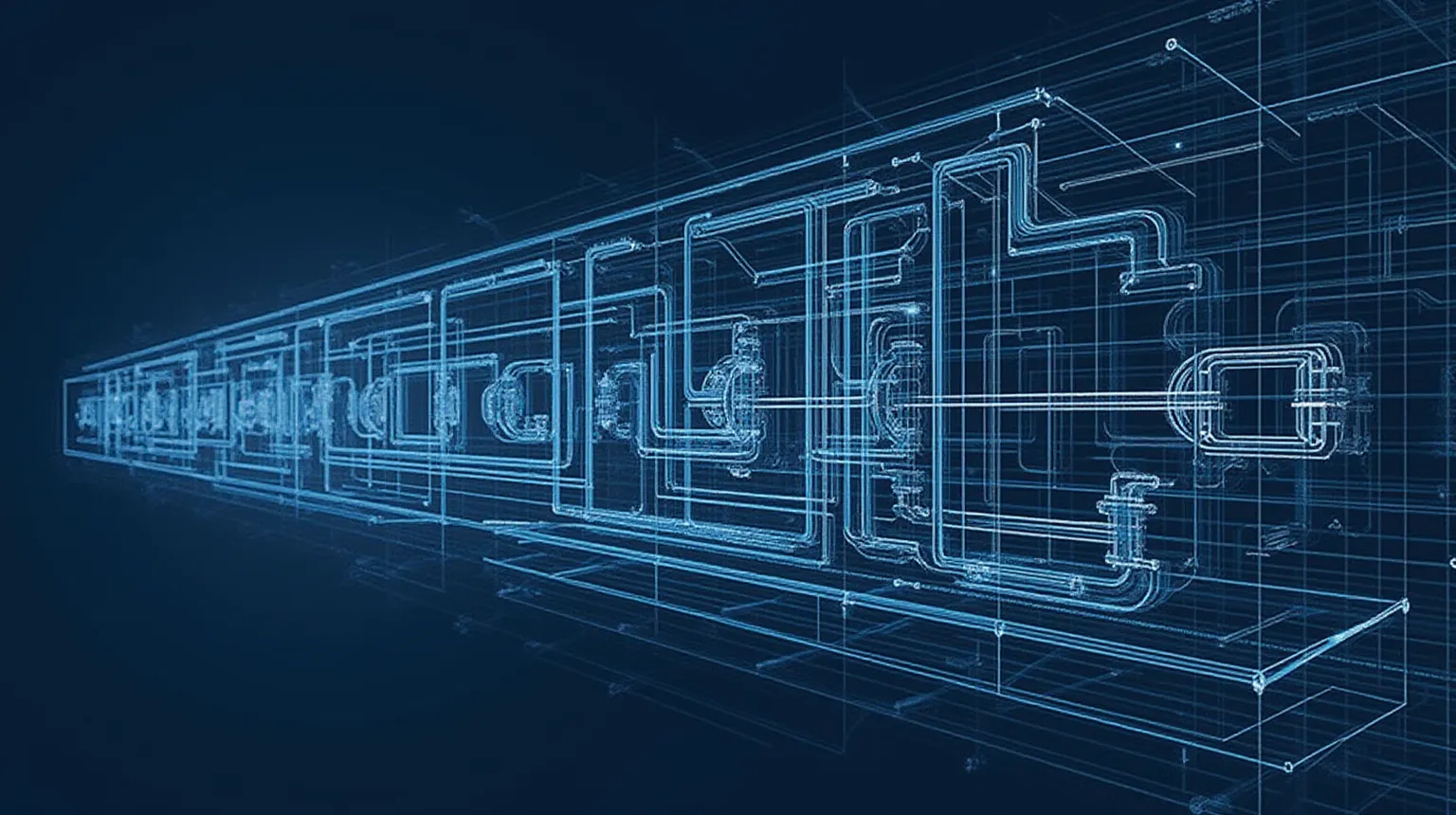
In any manufacturing environment, there is a massive amount of "hidden" knowledge. It’s the nuance in how much pressure to apply during a specific weld, or the subtle sound a bearing makes before it begins to overheat. This isn't just data; it’s experience.
When this information lives only in the heads of your senior technicians—or worse, is buried in unsearchable emails and disorganized folders—it is at risk of vanishing. When that person leaves or retires, the organization suffers a "brain drain" that usually takes months to realize but years to recover from.
We call this The Context Void. It occurs when an organization fails to capture the why behind a process step, leaving only the what. If your team has to stop everything they are doing to ask someone else how to handle a common exception, you have a gap in your operating system. When knowledge is not codified into the workflow, it doesn't exist for the organization; it only exists as an individual memory. To close this void, information must be moved from private silos into public, searchable systems that serve as the "second brain" for every operator on the floor.
Why Does This Keep Happening? The Illusion of Effort
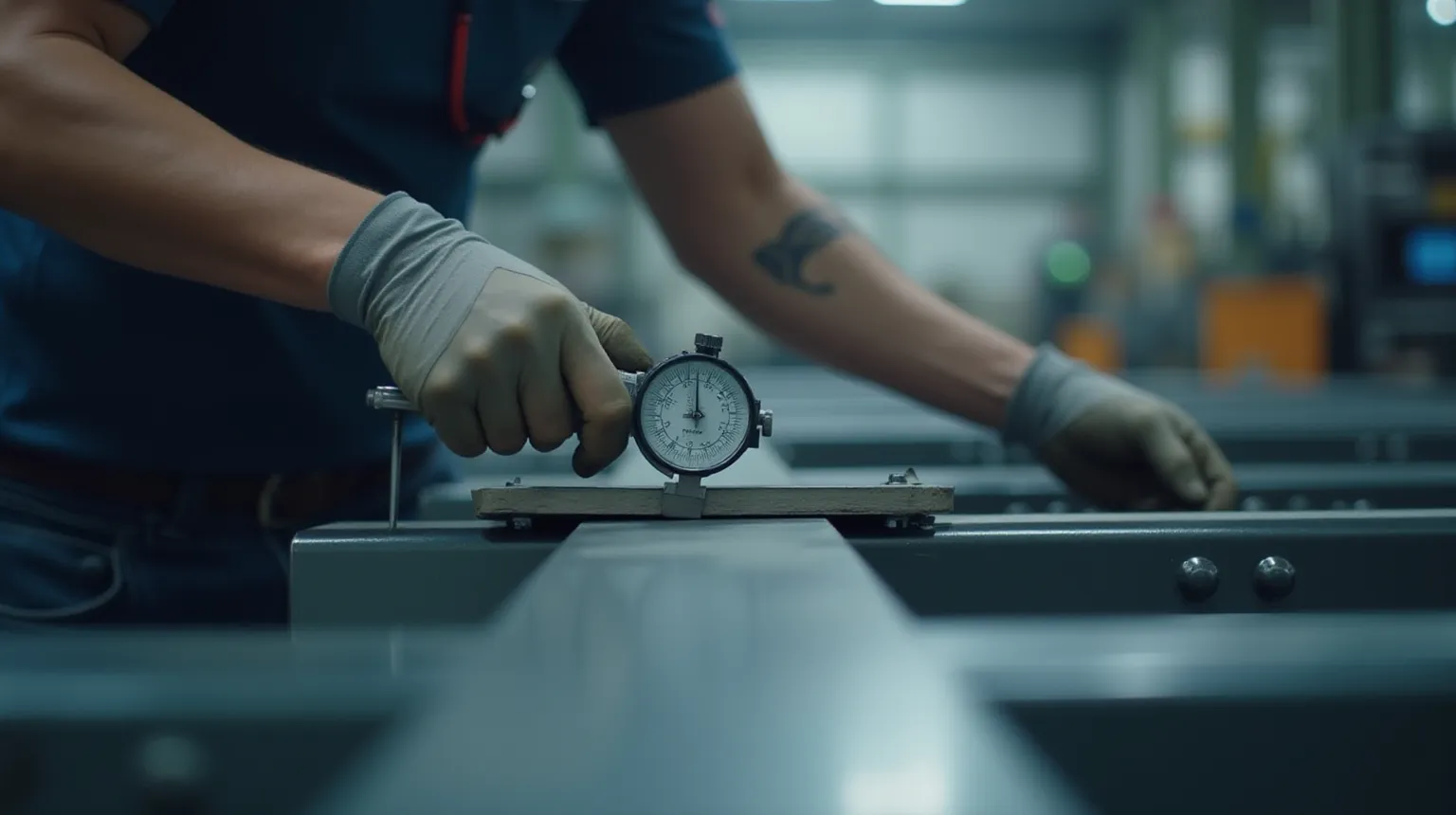
The reason many leaders keep falling back into The Dashboard Syndrome is a psychological trap: it is much easier to buy a tool than it is to fix a process. Purchasing an AI license feels like progress because there are signatures, invoices, and press releases involved. Changing the underlying standard work requires difficult conversations about training, documentation, and accountability.
Management often measures activity—how many pilots were run, how many tools were purchased—instead of outcome ownership. They choose the "quick win" of a new software interface over the "hard work" of rebuilding their internal knowledge architecture.
| The Comfortable Rationalization | The Underlying Reality |
|---|---|
| "We need to see if the AI can identify these errors for us." | We haven't defined who owns the corrective action when an error is found. |
| "We are just in a pilot phase to see what it can do." | We are avoiding the work of standardizing our data inputs and training logs. |
| "The system isn't ready yet; we need more features." | The process isn't defined well enough for any tool to actually run it. |
What Are You Really Paying For?

When you invest in AI without a clear operating system, you aren't just spending money on software; you are paying a "hidden tax" on your operations every day.
First, you pay in Delayed Decision-Making. If an operator has to wait for a manager to interpret what the "AI dashboard" is saying before they can take action, the production line remains stalled by human bottlenecks. Second, you pay in Wasted Resources on non-scalable projects. A pilot that works perfectly in a controlled environment but fails when handed to a tired technician on the night shift is a failed investment of time and capital. Finally, you pay in Lost Trust. When management introduces "smart" tools that don't actually make the work easier or faster for the people doing it, the workforce stops looking for improvements and starts just trying to get through the shift.
The Operating System Blueprint: Four Steps to Embedding AI
To move from a dashboard to an operating system, you must stop focusing on the "magic" of the algorithm and start focusing on the mechanics of the work. An AI Operating System is about ensuring that when a piece of data enters the system, it triggers a predetermined, verified action.
- Governance (Who owns the process?): You must identify who owns the logic behind every automated decision. If the AI flags a defect, whose job is it to log it? Who updates the master file? Ownership cannot be "the system." It must be a specific role on your org chart.
- Standardization (The inputs): An OS requires consistent input to produce predictable output. You must standardize the data collection points—physical labels, digital entry fields, and sensor tolerances—so that the AI isn't trying to interpret "messy" information from inconsistent sources.
- Verification (Testing the system): Before any tool goes live on the floor, it must pass a rigorous test of its own logic. You don't just check if it works; you check what happens when it fails. Does it have a clear, documented "exception path" for when the data is ambiguous?
- Embedding (Making it standard work): The final step is ensuring the tool is integrated into your existing training programs and SOPs. If an operator has to go outside of their normal workflow to use the AI's output, the system isn't "operating"—it’s just another extra task they have to perform.
Practical Takeaways for Next Week's Gemba Walk
Don't start by looking at your software contracts. Start by walking the line and looking at how information moves between people. Use these three checks during your next walk:
- The "Why" Audit: Stop a technician performing a repetitive task and ask, "If you were sick tomorrow, is there a written document that explains exactly why we do this step this way?" If the answer is "No," you have a piece of knowledge currently sitting in The Context Void.
- The Action Gap Check: Find a point where your team uses an automated alert or report. Ask them: "When this notification pops up, what are the exact next three steps you take?" If their answer involves calling someone else to interpret the data, you have a dashboard problem, not an operating system.
- The Training Station Review: Look at the physical training areas and station placards. Are they updated with current technical specs, or are they covered in handwritten notes? Handwritten "cheat sheets" are often the only way operators can manage around poorly designed systems. Replace those notes with a standardized, verified process that is part of your core operating system.
Series Continuity Note
(One-off)
Download and Share This Issue
Call to Action
When was the last time your team used 'institutional knowledge'—the stuff nobody wrote down? Share this if you know a company stuck measuring metrics instead of improving systems.
Newsletter replies and questions: [email protected]
Follow updates on X.com: @kaizen_6sigma
References
McKinsey: The AI Operating System; Deming Principles (System Thinking); Lean Governance Models