
Issue Summary: The Myth of Predictable Flow
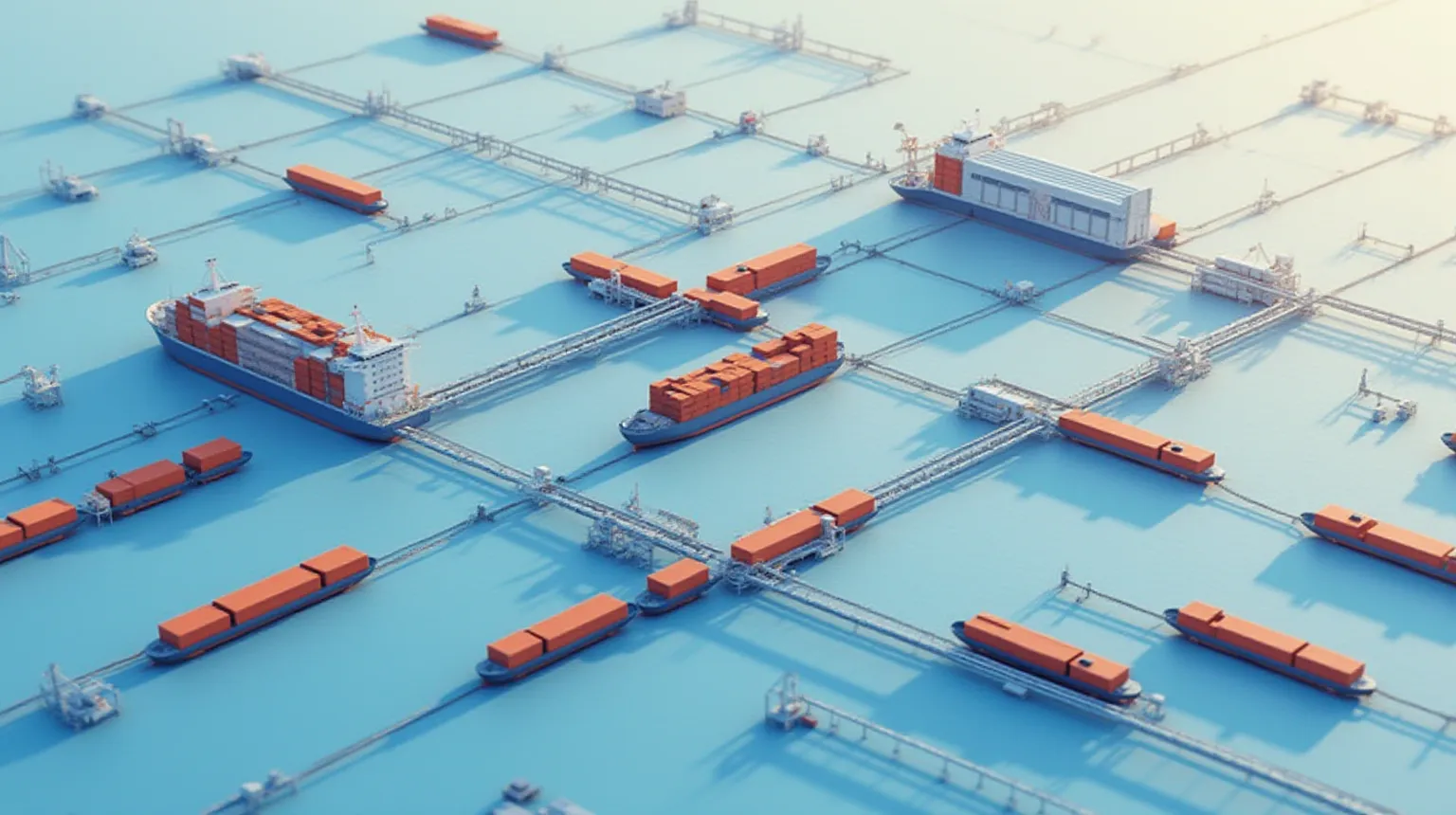
For decades, we have built our operations on the assumption that flow is something we can engineer into a steady state. We optimized for lean, trimmed the fat, and leaned heavily into "just-in-time" models because they looked great on a balance sheet. It worked—until it didn't.
The problem is that many of us have mistaken a period of geopolitical stability for an inherent rule of global commerce. When a port closes, a trade route becomes contested, or a critical mineral source gets cut off by policy shifts, the "lean" system doesn't just slow down; it breaks. We cannot treat these events as "risks" to be managed through better forecasting or more frequent meetings. They are structural realities of our era.
The core issue isn't that we haven't predicted a specific crisis; it’s that we have built systems with no margin for error. We’ve traded resilience for efficiency, and now the bill is coming due. To survive the next decade, we have to stop trying to predict the "when" of the next disruption and start designing our floor operations for the reality of a broken pipeline. This isn't about better forecasting; it’s about building physical redundancy into the very bones of your supply chain.
The Diagnosis: Single Points of Failure (SPOFs) are now Geopolitical Assets
In my years on the shop floor, I’ve seen what happens when a single part—a specialized seal, a specific grade of resin, or a custom-molded bracket—becomes the only thing standing between a finished product and a stalled line. We often call these "bottlenecks" in our daily work, but there is a more accurate way to describe them: Single Points of Failure (SPOFs).
The danger today is that many of our SPOFs are not just internal manufacturing hurdles; they are external geopolitical vulnerabilities. When you rely on a single supplier for a critical component because they have the "best price" or the "lowest lead time," you aren't optimizing your process—you are gambling on global stability.
We often mistake a high-performing, low-cost supply chain for an efficient one. It is only efficient if the world behaves exactly as it did in the previous decade. When we rely on a single geographic region for raw materials or a single shipping lane for components, that "efficiency" is actually a hidden debt. We are borrowing reliability from a stable world to pay for lower costs today. When the stability vanishes, the debt comes due instantly. A process that cannot function because one overseas port is blocked isn't a lean process; it’s an incomplete one.
Why We Still Think It Can Be Fixed with a Spreadsheet

There is a reason many leaders still believe they can "manage" these risks through procurement software and risk-scoring models. It feels like work. Filling out a spreadsheet, assigning a "high/medium/low" risk rating to a supplier, and having a monthly meeting about "contingency plans" provides the illusion of control without requiring any actual change to the physical floor.
The reality is that a spreadsheet cannot move a container from an obstructed port or manufacture a specialized component when your primary source goes dark. We prefer the spreadsheet because it allows us to stay in the office while the problem remains on the floor.
| The Comforting Rationalization | The Hard Floor Reality |
|---|---|
| "We have a diversified supplier base." | You have three suppliers, but they all source their raw materials from the same single factory in a volatile region. |
| "Our risk assessment shows low probability." | A low-probability event that shuts down your line for three weeks is an unacceptable cost of production. |
| "We will pivot to a secondary source if needed." | Your second source doesn't have the tooling set up or the certified quality standards to step in on 24 hours' notice. |
The difference between these two columns is the gap between theory and operation. A risk score is an academic exercise; having three months of safety stock for a critical component is a physical reality. One keeps you safe in a meeting; the other keeps your machines running when the "predictable" flow stops.
What Happens When Redundancy Fails: The True Cost of Bottlenecks
When a lack of redundancy finally hits, it doesn't just cause a delay—it creates a cascade of failure that impacts every department in the building.
First, there is the Production Stoppage. This isn't just "slower" output; it’s an idle line. You have skilled operators sitting on their hands and machines gathering dust while they wait for a part that doesn't exist. Every hour of downtime erodes your margins and frustrates your workforce.
Second, there is the Contractual Fallout. When you can’t deliver to your customers because your "efficient" supply chain snapped, you face penalties, lost contracts, and damaged reputations. You aren't just losing a sale today; you are potentially losing a customer for the next five years.
Finally, there is the Internal Friction. When things break at this scale, everyone starts pointing fingers. Procurement blames logistics; manufacturing blames procurement; leadership feels the heat from the board. This creates an atmosphere of blame that can poison culture far longer than any single supply chain hiccup would have on its own. The cost of avoiding a hard conversation about redundancy today is almost always lower than the cost of dealing with a total system failure tomorrow.
The Operational Resilience Blueprint (Three Pillars)
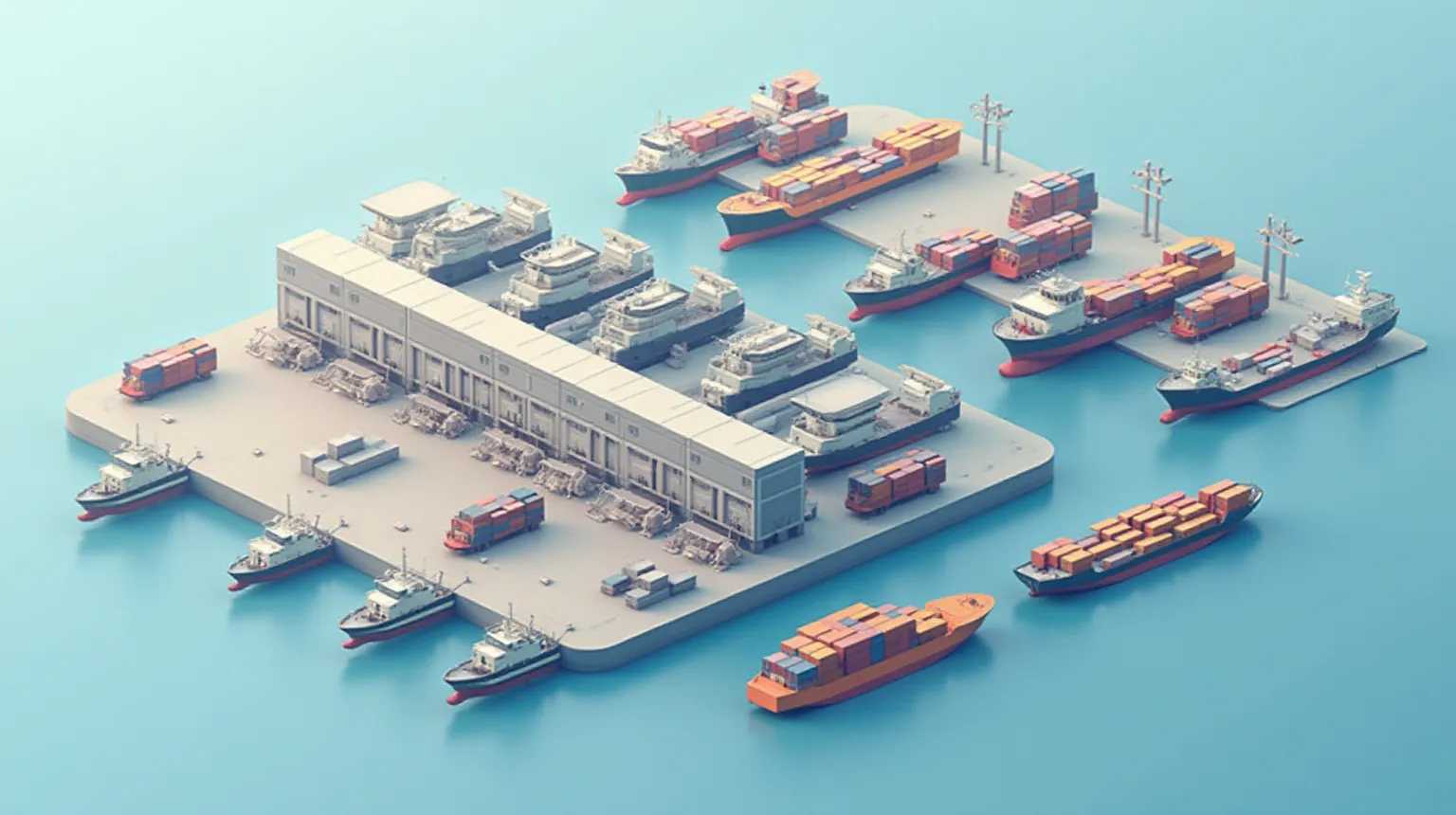
To move from "theoretical risk" to "operational resilience," we must focus on three physical pillars. These aren't suggestions for future projects; these are requirements for current operations.
1. Capacity Boosting
You must identify your critical path components—the ones that, if missing, stop the line immediately. For these items, you must ensure that at least two different manufacturing sites (or methods) have the capability to produce them. This means maintaining the tooling, the certifications, and the trained staff for a "backup" source even when it isn't being used daily. It is better to pay for the capacity of a second machine that sits idle than to find out you need one only after your primary line goes dark.
2. Route Diversification
Relying on a single transit lane or port is an invitation to disaster. You must map out the physical path of every critical component. If all your "diversified" suppliers are shipping through the same narrow corridor, you don't have diversity; you have a shared point of failure. Build relationships with logistics providers who can move goods via different modes (rail, air, sea) and across different geographic hubs.
3. Storage Buffering
This is the most direct way to fight "just-in-time" fragility. For high-risk items—those coming from volatile regions or involving complex manufacturing—you must establish a physical buffer. This isn't just an extra box in the warehouse; it’s a calculated safety stock based on your maximum acceptable lead time during a crisis. If you need 10 days of production to pivot, you should have at least 30 days of critical components physically sitting on-site or in a nearby regional hub.
Practical Takeaways for Tomorrow’s Walk
You don't need a new software suite to start this work; you need a more honest look at your inventory and your floor reality. On your next Gemba walk, take these actions:
- Identify the "Showstoppers": Walk the line and identify every component that, if missing today, would stop production within 24 hours. These are your priority items for redundancy analysis.
- Audit the Safety Stock: Go to the warehouse and look at the bins for those showstopper components. Ask: "If my primary supplier couldn't ship a single part for three weeks, do we have enough here to keep these machines running?" If the answer is no, that’s your first project.
- Verify the Source: Don't take "we have multiple suppliers" as an answer from procurement. Ask them to show you the geographic locations of those suppliers and their primary sub-suppliers.
- Map the Path: Choose three high-volume items and map their physical journey from raw material to your dock. Identify where they pass through a single port, a single border crossing, or a single processing plant.
- Define "Buffer" Goals: For every showstopper item, establish a minimum "buffer" goal based on time (e.g., 30 days of stock) rather than just volume.
Download and Share This Issue
Call to Action
What is your facility’s single most vulnerable physical bottleneck? Share this with a colleague who needs to move from theory to concrete action.
Newsletter replies and questions: [email protected]
Follow updates on X.com: @kaizen_6sigma
References
Saudis Plan More Oil Pipe Capacity for Export Resilience (Supply Chain Brain)