The Lab vs. The Line: Why Scale Is Not Just About Throughput
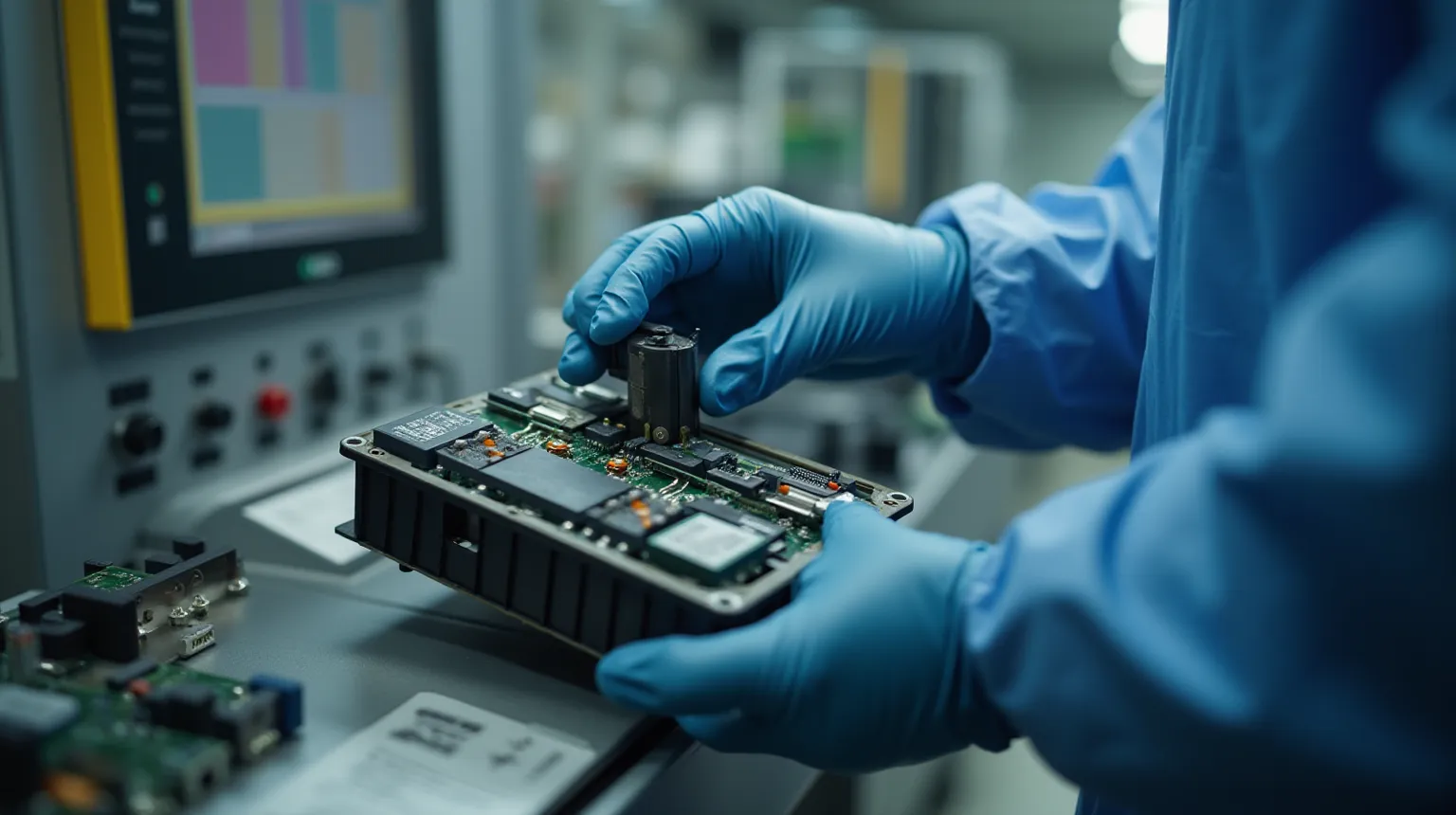
In my years on the floor, I’ve seen a recurring pattern when new technologies—like aqueous metal batteries—move from R&D to high-volume production. Teams often celebrate because they’ve proven the chemistry works in a controlled environment. They think that "scaling" simply means building more machines and running them faster.
But scale is not just about throughput; it is about repeatability under stress.
A lab success is proof of possibility. A manufacturing success is proof of discipline. In the lab, an engineer can spend three hours calibrating a single cell because they only have to do it once. On the line, that same process must be executed perfectly by a different operator on every shift, regardless of whether it’s 2:00 PM or 3:00 AM. When we move from "it works" to "we can build thousands of these," the challenge shifts from chemistry to consistency. If your process relies on an engineer's unique touch rather than a robust, repeatable method, you haven't scaled a product; you’ve just exported a bottleneck into your production hall.
The Naming Illusion of 'Standardization'
We often fall into what I call The Documentation Delusion. This is the belief that because an SOP exists in a binder or on a digital terminal at every station, the process is "standardized."
A piece of paper is not a standard; it is merely a description of one. True standardization is the ability for any qualified operator to perform a task identically, every time, using only the tools and instructions provided. In the context of complex battery assembly, this means that at all eleven stations—from electrode coating to final cell packing—the "standard" must be embedded in the machine's limits and the worker’s habits.
If an operator has to "think" about how much torque to apply or how many seconds a component should sit in the oven because they aren't confident in the instruction, the standard is failing. We don't want operators making "good decisions"; we want them following a robust process that makes it impossible for them to make a bad one. If you have to ask an operator why they skipped a step or adjusted a setting, your standardization isn't just weak; it’s non-existent.
Why the Quality Checklist is Only Half the Story
A checklist is a tool for detection, but it is not a strategy for control. Many managers believe that if the operators check every box on their daily log, the quality will be maintained. This ignores the reality of Process Drift.
Over time, small variations—a slightly worn and unreplaced seal, an operator taking a "shortcut" to keep up with a quota, or a sensor drifting out of calibration—accumulate. A checklist only tells you that something is wrong after it has happened. It doesn't stop the drift from occurring in the first place.
To move beyond just catching errors, we must focus on how the team reacts when the process wavers. We need to distinguish between a "pass/fail" check and an active response plan.
| The Comfortable Rationalization | The Operational Reality |
|---|---|
| "The operator checked the box on the log." | The operator saw a deviation but didn't have a clear path to fix it, so they ignored it to keep the line moving. |
| "We’ll catch it at final inspection." | We are spending thousands in scrap and rework because we allowed the process to drift for three shifts before noticing. |
A robust system doesn't just identify a failure; it dictates the immediate, pre-planned reaction to that failure so the line doesn't continue to produce defects while someone "goes to find out what happened."
The Hidden Cost: What Happens When Rigor Slips?
When we talk about skipping a "minor" check or allowing a non-critical variance to slide for the sake of speed, we aren't just taking a shortcut on time. We are accumulating debt. This is the Cost of Convenience.
In high-stakes manufacturing like energy storage, the consequences of failing to maintain rigor at every station don't stay inside the factory walls. They follow the product into the field. When rigor slips, you aren't just risking a "bad batch." You are risking:
- Warranty Bleed: The massive cost of replacing units that fail prematurely in the hands of the customer.
- Brand Erosion: The loss of trust when your "reliable" power source becomes a liability for the end-user.
- Safety Risks: In some cases, a lapse in manufacturing integrity can lead to physical hazards that are far more costly than any lost production hour.
The avoided conversation today—the uncomfortable decision to stop the line because of a minor torque variance—is always cheaper than the public, expensive failure of your reputation tomorrow.
Building Operational Integrity: The Replication Blueprint
To scale from one successful cell to thousands of reliable units, you must institutionalize quality across every station and shift. You cannot rely on "heroic" efforts from senior operators; you must build a system that makes heroism unnecessary.
- Define the Hard Limits: Every station among the eleven must have clear, non-negotiable limits (e.g., specific torque ranges, temperature windows). If it’s outside the range, the process stops.
- Establish Reaction Plans: For every common failure point identified in your FMEA, create a "Reaction Plan" taped to the machine. It should tell the operator exactly what to do—who to call, how to clear the line, and how to reset the station—the moment a deviation occurs.
- Verify Capability Transfer: When moving from one shift to another, or adding new operators, use a "gate" system. An operator shouldn't just be told they are ready; they must demonstrate mastery of the standard work in a controlled environment before they touch a live component.
- Audit for Drift: Instead of waiting for final inspection to find errors, perform layered process audits (LPAs). Walk the floor and check not just the product, but the adherence to the method. Are the tools calibrated? Is the station clean? Is the operator following the steps as written?
Your Action Plan for the Next Gemba Walk
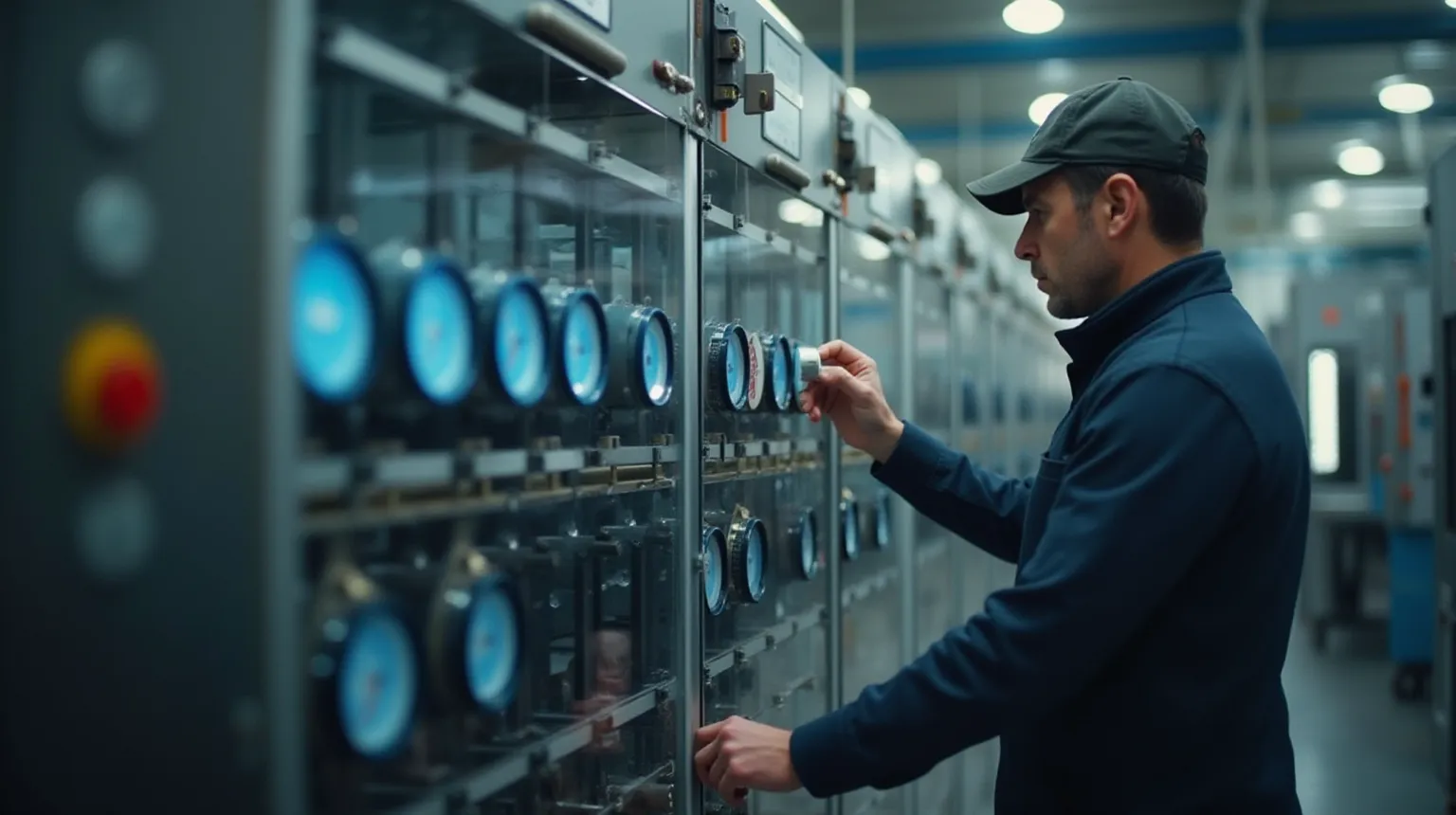
Don't go onto the floor next week looking for "problems." Go looking for Work-Arounds. A workaround is a sign that your standard isn't working, and it’s where quality goes to die.
When you walk the line, look for these three things:
- The Workaround Check: Ask an operator at any of the stations: "If this part didn't fit or the sensor gave a weird reading, what would you do?" If their answer is anything other than the established reaction plan, your documentation isn't reaching the floor.
- The Tooling Audit: Pick three random tools used across different stations. Check their calibration tags and physical condition. If they are worn or unverified, your "standard" is just a hope.
- The Training Gap: Ask an operator to show you how they perform a specific task—like applying the electrolyte or sealing a casing. Watch them do it without coaching. Do they hesitate? Do they skip a step because "it's not that important"? If so, your training isn't about skill; it’s just been taught as a suggestion rather than an instruction.
Identify these gaps now. Fix the process on the floor today so you don't have to manage the failures in the field tomorrow.
Download and Share This Issue
Call to Action
When evaluating new process technologies, where does your organization usually skip documentation or training? Share your biggest scaling challenge with us: [email protected]
Newsletter replies and questions: [email protected]
Follow updates on X.com: @kaizen_6sigma
References
World-first high volume production line for water-based metal battery with 30,000-cycle life launched (Interesting Engineering)