
The Myth of the Perfect Global Supply Chain
The modern manufacturing floor is often built on a series of assumptions that feel like smart business logic but are actually just buried risks. For years, we have been taught to optimize for "lean" and "just-in-time." We’ve convinced ourselves that a leaner inventory isn't a riskier operation; it’s simply a more efficient one.
This is the first mistake. A lean supply chain that relies on components crossing three borders and five different languages before reaching your assembly line isn't an optimization—it is a gamble. When we prioritize cost-per-unit over control-of-source, we aren't making things easier; we are simply pushing the point of failure further down the road.
I have seen this play out on the floor: a production line grinds to a halt not because of a local machine failure or an operator error, but because a single specialized sub-component was stalled at a port three thousand miles away. The "efficient" system failed because it lacked any buffer against reality. A lean inventory is only sustainable when you have total visibility and control over the source. If you don't know where your raw materials come from—down to the mine or the forge—you aren't managing a supply chain; you are just hoping that someone else’s infrastructure holds up for you.
What is Actually Happening? The Dependency Trap
We need to call this what it is: The Dependency Trap. This occurs when an organization prioritizes immediate, measurable cost savings over the long-term ability to actually produce goods. You see it in every contract that favors a cheaper overseas supplier despite the lack of transparency into their raw material sources.
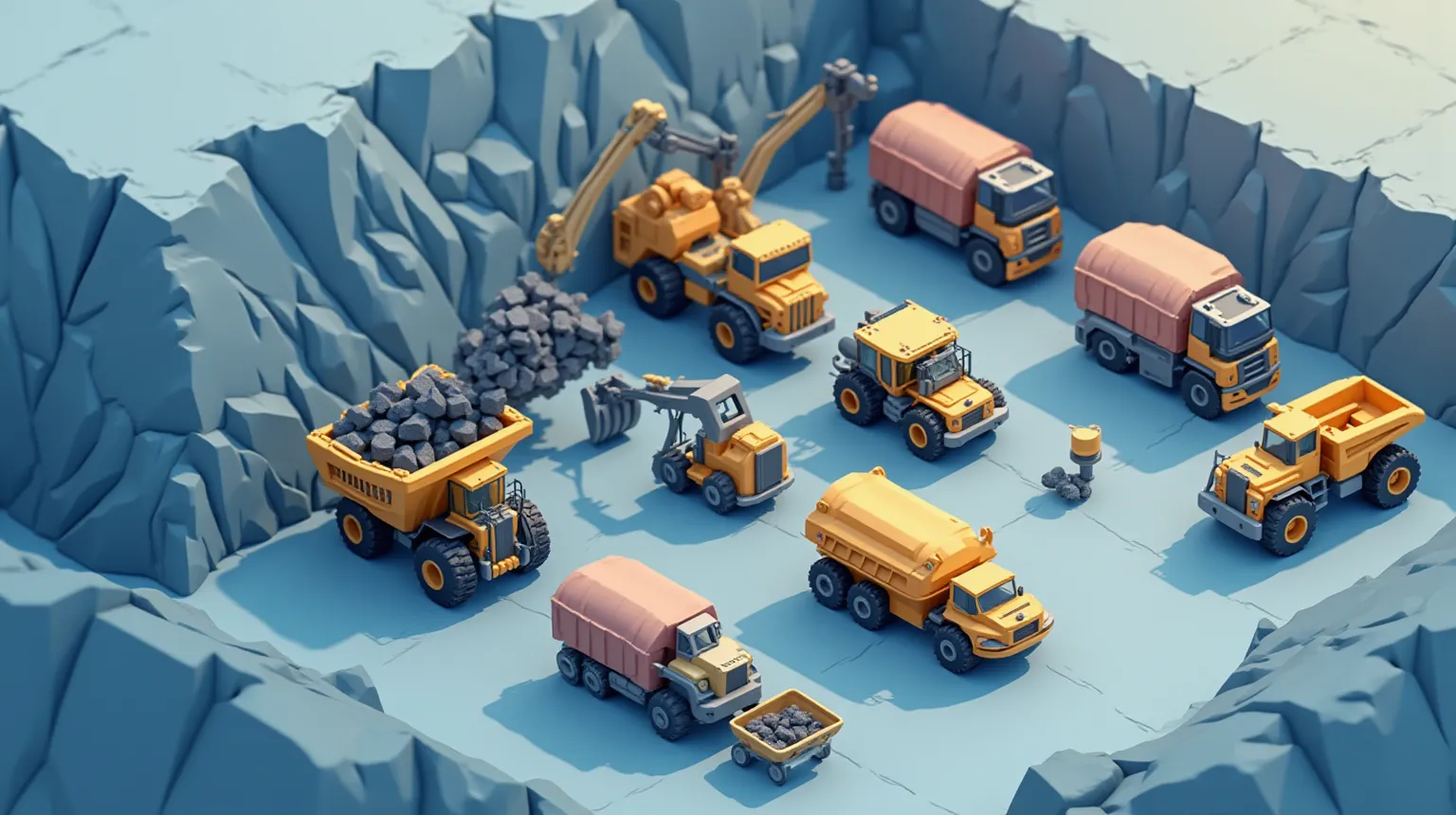
Consider the "Mine-to-Mill" model as the antidote. Look at historical examples like the Mesabi Range; by controlling the iron ore from the ground up, producers ensured that the steel they produced wasn't subject to the whims of distant logistics. When you own the chain—or have a direct, verified relationship with those who do—you move from a position of vulnerability to one of sovereignty.
The Dependency Trap is the belief that "someone else" can provide your core materials reliably enough for you to ignore their problems. But when a shortage hits or a trade route closes, "someone else's problem" becomes your idle workforce and your missed delivery dates. True industrial sovereignty means knowing exactly who pulls the ore from the ground and how it moves toward your gate. If you cannot trace your material back to its origin point without three layers of intermediaries, you are operating within the trap.
Why Does This Fragility Persist?
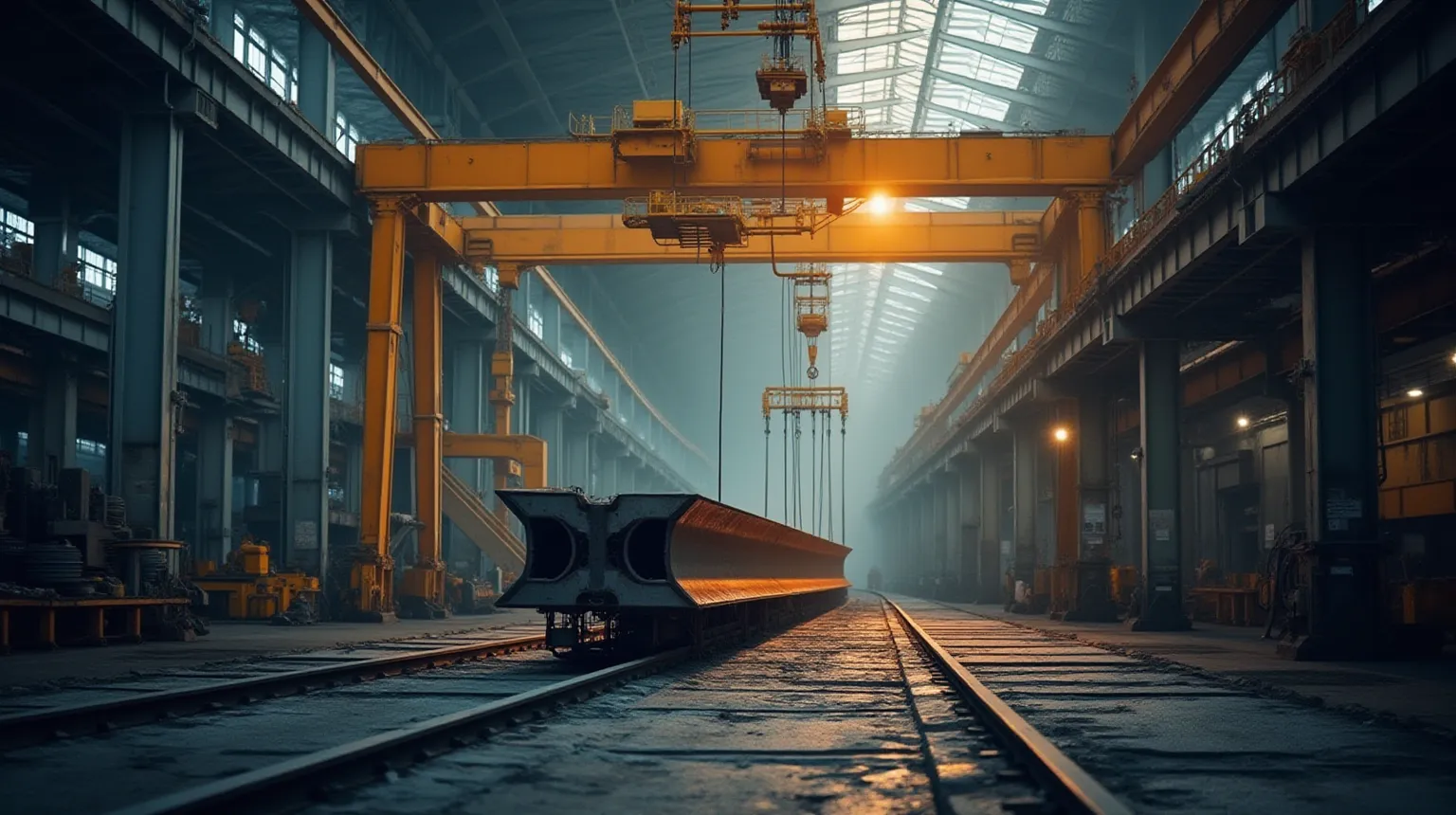
The reason we continue to fall into this trap is simple: it is easier to measure a lower price today than it is to calculate the cost of a catastrophe tomorrow. Management often prefers the "clean" numbers on a spreadsheet over the messy, uncomfortable reality of building domestic capacity or diversifying sources.
We see this in how companies justify their reliance on fragile links. They tell themselves they are being "competitive," when what they are actually doing is deferring the cost of risk to a future date. The following table highlights the difference between the comfortable narrative and the operational reality:
| The Comforting Narrative | The Operational Reality |
|---|---|
| "Just-in-Time" reduces overhead costs. | Just-in-time creates zero margin for error when external factors shift. |
| Outsourcing provides specialized expertise. | Outsourcing often hides a lack of control over the primary material source. |
| Global sourcing ensures lower unit prices. | Global sourcing introduces "invisible" risks like port delays and geopolitical shifts. |
| We have a diversified supplier base. | Having three suppliers who all buy from the same single source is not diversity; it's a shared point of failure. |
The True Cost of Disconnection
When the disconnect between your production line and the raw material source becomes too wide, the consequences are rarely localized. It isn't just about one late shipment; it is about the systemic erosion of your ability to fulfill your promise to the customer. When a supply chain breaks because of an upstream failure you didn't see coming, you face three primary costs:
- Stalled Production: The immediate cost of idle machines, frustrated operators, and the logistical nightmare of "rushing" components through non-standard channels at premium prices.
- Eroded Trust: The damage to your reputation with your customers when they find out you cannot fulfill orders because a component was stuck in a port or a mine was closed.
- Lost Market Share: The permanent loss of customers who move to competitors who have built "Mine-to-Mill" sovereignty and can actually deliver on their promises consistently.
The cost of the uncomfortable conversation today—investing in domestic sources, auditing your third and fourth-tier suppliers, and building local redundancies—is almost always lower than the public, expensive failure of a broken chain tomorrow.
Operationalizing Resilience: The Five Pillars of Mine-to-Mill Thinking

To move out of the Dependency Trap, we must shift our focus from "logistics" to "sovereignty." This requires a mental and operational shift in how we view everything that feeds your machines. Here are five pillars for building a more resilient model:
- Source Transparency: You must map your materials back to their origin. If you are buying steel, who owns the mill? Who provides them with the iron? Knowing the source allows you to see the risk before it hits your gate.
- Geographic Diversity: Avoid "single-point" failure by ensuring that no single geographical region holds a monopoly on your critical inputs.
- Buffer for Reality: Move from just-in-time to "just-in-case" for core materials. This means maintaining physical safety stocks of raw goods rather than relying on the precision of a global shipping schedule.
- Domestic Anchoring: Where possible, prioritize domestic suppliers for high-impact components. A local supplier might have a higher unit cost but offers a much lower risk profile and faster response time.
- Verified Capability: Don't take "capacity" at face value. Audit your key partners to ensure they actually have the inventory and production depth to handle a spike in demand or a disruption in their own supply chain.
Immediate Actions on the Gemba Walk
You don’t need a multi-year consulting project to start identifying where your risks live. You can begin this week by looking at what is physically moving through your doors and asking harder questions of those who provide it. On your next walk, focus on these three actions:
- Audit the "Critical Few": Identify the five components or materials that, if missing for 48 hours, would stop your primary production line today. Trace these specifically back to their source. Ask your purchasing team: "Who is the supplier's supplier?"
- Identify Single-Point Failures: Look at your current "diverse" vendor list and identify any parts that are being sourced from a single geographic region or a single port of entry. Create a risk map for these items.
- Evaluate Response Times: Ask your lead engineers to estimate the time it would take to source an alternative if your primary supplier failed tomorrow morning. If the answer is "we don't know," that is your first area for improvement.
Stop managing for the best-case scenario. Start building a system that can survive the worst one.
Download and Share This Issue
Call to Action
What is the single most fragile point in your current raw materials pipeline? Share your diagnosis with us, or pass this to another leader who needs honest talk about true resilience. [email protected] | @kaizen_6sigma
Newsletter replies and questions: [email protected]
Follow updates on X.com: @kaizen_6sigma
References
Mesabi Metallics Invests $15B in Bid to Build Largest Steel Plant in U.S.