
The Myth of the Seamless Network
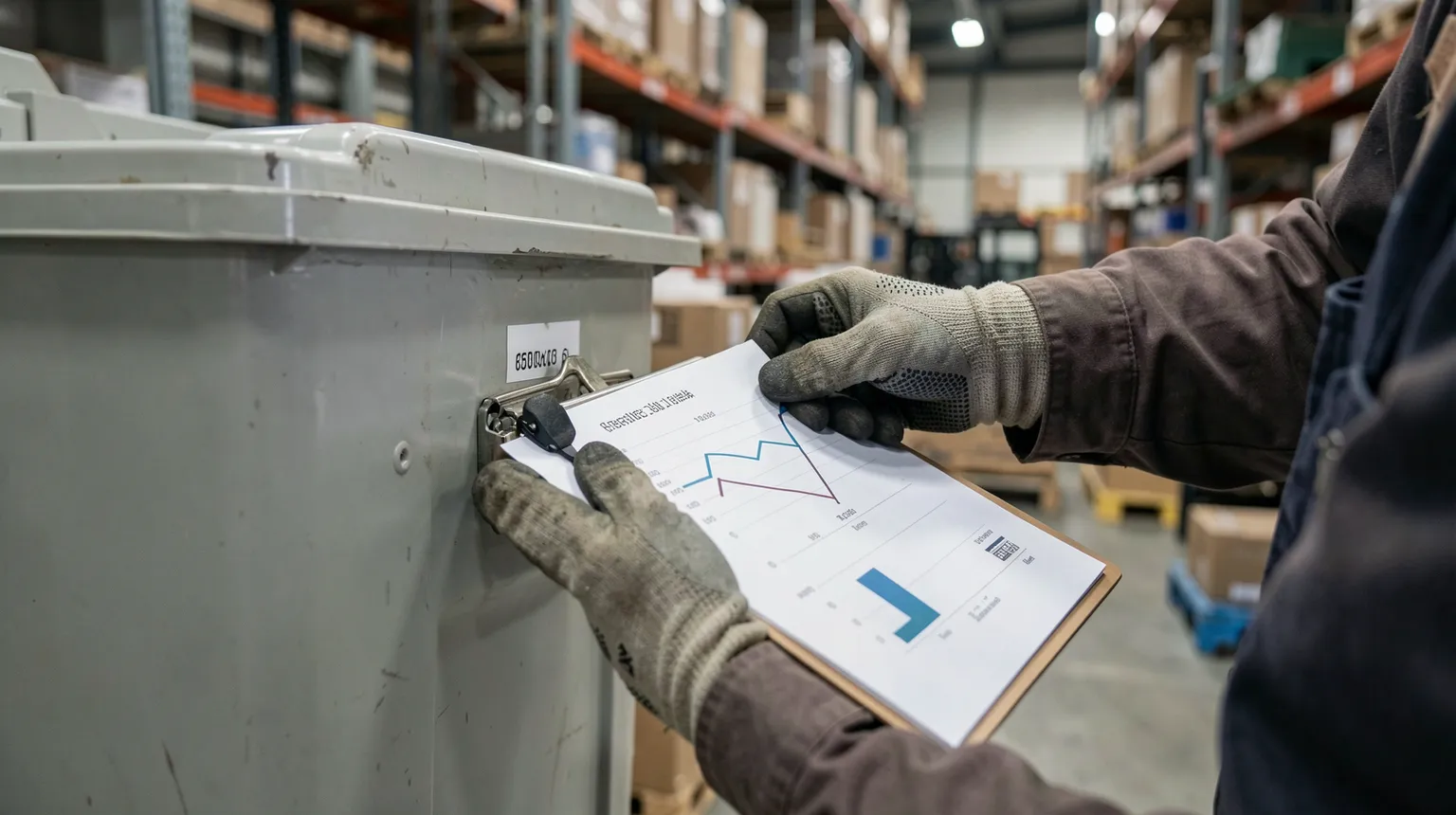
I’ve spent enough time walking production floors and supply chain hubs to know that the biggest lie we tell ourselves in leadership is that the network is seamless. We sit in climate-controlled offices looking at high-resolution dashboards, watching little icons move across a map like they are gliding on ice. It looks smooth. It feels controlled. But those icons aren't moving by magic; they represent physical objects—containers, pallets, and raw materials—moving through a world of friction that no software can fully erase.
The failure starts when we begin to mistake the data model for the actual operation. A dashboard is not an operation; it is a report on what happened yesterday or what someone hoped would happen today. When you rely solely on a digital twin to manage your flow, you are building a house on sand. You assume that because the software says "in transit," the goods are moving toward their destination with zero resistance.
But the floor tells a different story. The floor is where the "friction" lives: the customs agent who refuses to release a shipment because of a new tariff code, the port strike that shuts down a primary lane for three weeks, or the shortage of truck drivers in a specific zip code. When we over-index on the seamlessness of our digital models, we lose the ability to see these friction points until they’ve already ground our production line to a halt. We have built systems that are incredibly efficient at moving things when everything is perfect, but those same systems are brittle because they weren't designed for when—not if—the world gets messy.
Naming the Failure: The Digital Illusion
We need to call this what it actually is: The Digital Illusion.
It is the gap between a "perfect" data flow and the reality of physical constraints. In an era of agentic AI, we are being told that machines can now navigate complexity for us. They can suggest routes, predict demand, and optimize inventory levels. This sounds like a dream until you realize that while an AI can process a million lines of code in a second, it cannot physically negotiate with a frustrated dock worker or account for the sudden geopolitical shift that changes customs clearance rules at 3:00 AM on a Tuesday.
Quality is not an accident; it is a discipline of managing reality. In supply chain management, that means acknowledging that your most important "nodes" aren't just software modules—they are human relationships and physical lanes. The Digital Illusion happens when we treat the AI’s output as a final command rather than a suggestion to be verified against the ground truth.
A plan on paper is not a functioning process. A dashboard showing "98% efficiency" is not a guarantee of continuity if that efficiency relies on a single, high-risk geographic corridor that just got hit with a 25% tariff hike. We must move beyond admiring the elegance of our software and start worrying about the grit of the physical world it's trying to represent.
Why Does This Gap Persist?
Why do we keep falling into this trap? It’s often simpler than we want to admit: buying a new software module is much easier than fixing a messy human process or building a redundant relationship with an alternative supplier.
Leadership teams love the "shiny object" of AI because it promises a shortcut. We prefer the comfort of a sophisticated algorithm over the hard, unglamorous work of diversifying our physical footprint. It’s cheaper to hire a consultant to show us how to "leverage" an agentic tool than it is to spend six months vetting three new nearshoring partners in Mexico or Vietnam who can actually move our product when the primary lane fails.
We also fall victim to a psychological bias where we believe that if we can see the problem on a screen, we have solved the problem. We confuse visibility with control.
| The Comfortable Rationalization | The Underlying Reality |
|---|---|
| "Our AI-driven platform will automatically reroute shipments during disruptions." | The AI cannot navigate a legal blockade or a sudden change in trade law without human intervention and pre-negotiated alternatives. |
| "The dashboard gives us real-time visibility into every pallet." | You are seeing data that was entered by someone who might be overwhelmed, at a time when the physical goods are already stuck. |
| "We need to invest more in our digital twin's accuracy." | No amount of data can compensate for a lack of redundant physical lanes and diversified supplier bases. |
What Is the Real Cost of Digital Blindness?
When we let The Digital Illusion run our operations, the cost isn't just an extra line item on a spreadsheet—though it certainly shows up there eventually. The real costs are much harder to quantify but far more damaging to the health of the organization:
- The Erosion of Trust: When your "seamless" system fails and you can’t explain why, your customers lose faith in your ability to deliver. They don't care about your software; they care about their shelves being empty.
- Decision Paralysis: When a crisis hits—like a sudden tariff shift—a leader who relies only on the digital model will freeze because there is no "Plan B" built into the code.
- The Heroism Tax: You end up relying on your best logistics managers to perform "heroic acts." They spend their nights making frantic phone calls and manually overriding systems to keep things moving. This isn't a strategy; it’s an unsustainable way to run a business that eventually leads to burnout and turnover.
- The Pivot Gap: The time between the moment a geopolitical shift occurs and the moment your organization can actually react is determined by how much "manual" work you have pre-planned. If you haven't done the work, the gap is too wide.
A Governance Framework for Physical Resilience
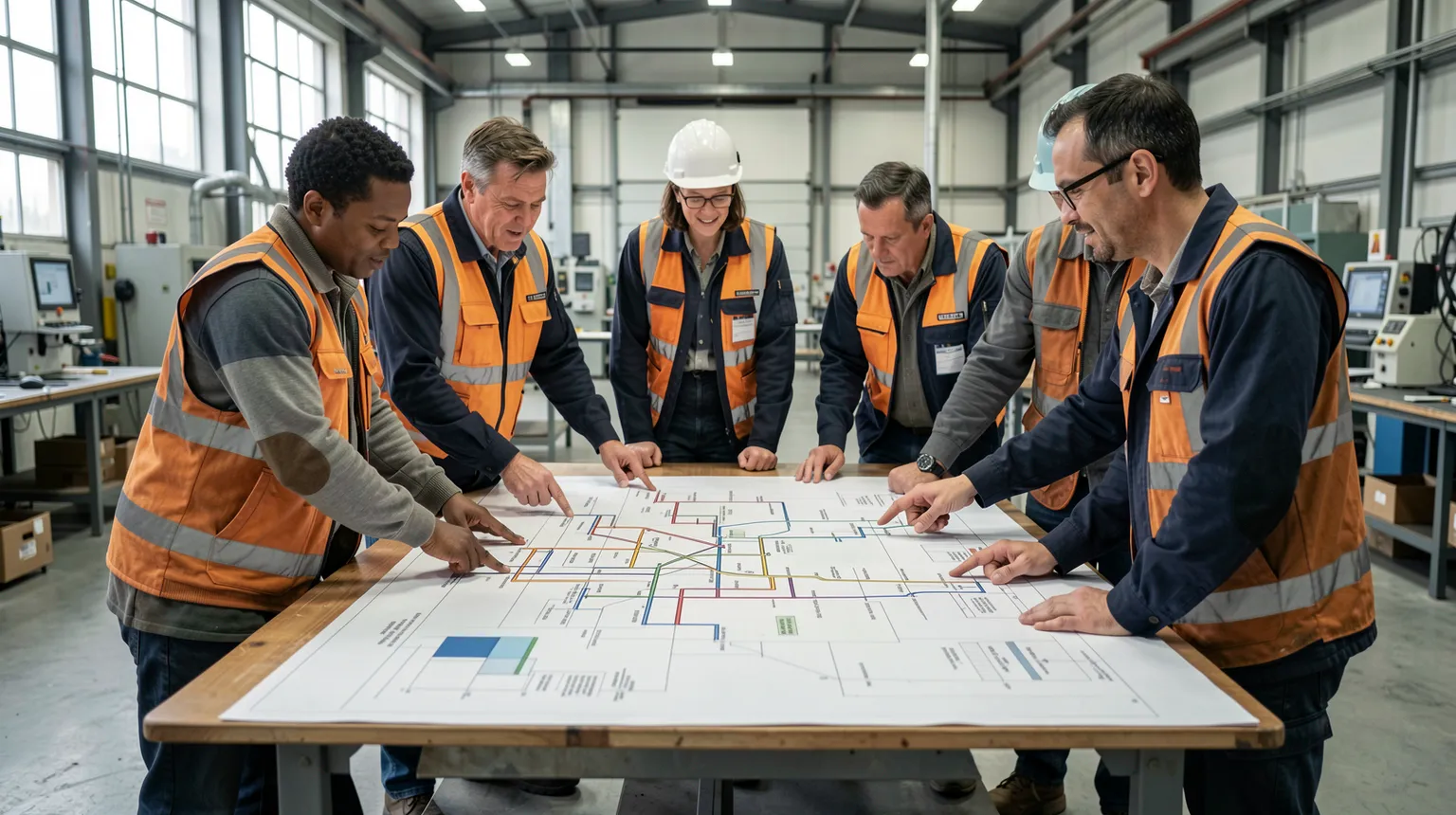
To move beyond the illusion, we must build governance that prioritizes physical reality over digital convenience. Use this model to audit your current state:
- Audit the Human Handshakes: Identify every point where a human has to make a non-standard decision (e.g., customs clearance exceptions). If it’s not documented and practiced, it's a single point of failure.
- Verify Redundant Lanes: Do you have three ways to get your product from Point A to Point B? Don't just say "yes" because of a contract; verify that those lanes are active, vetted, and capable of handling your volume today.
- Establish "Break-Glass" Protocols: Create a set of pre-approved actions for specific failures (e.g., Port X closes, Tariff Y is enacted). These should be manual overrides—clear instructions on who to call, which supplier to activate, and how to re-route flow without waiting for an AI's suggestion.
- Position AI as a Co-Pilot: Use agentic AI to flag anomalies and suggest optimizations, but ensure that the final "go/no-go" on high-friction movements remains with a human who understands the local context of the floor and the port.
Three Actions You Can Take Tomorrow
You don't need a new software budget to start fixing this today. Start with these three steps:
- Perform a "Friction Audit": During your next Gemba walk or supply chain review, ask your logistics lead one question: "Which part of our current flow is most dependent on someone making a manual phone call or 'working the problem' to get it through?" That is your highest risk area.
- Review Your "Plan B" Binders: Find out where your contingency plans are kept. If they only exist as a mental note in one person’s head, write them down and put them on a shared drive. A plan that isn't documented is just a hope.
- Talk to the 3PL Operators: Call your primary third-party logistics provider. Ask them about their current "pain points" regarding customs and local labor. Don't look at their performance metrics; listen to their complaints about physical reality. Their problems are your future risks.
Download and Share This Issue
Call to Action
What single physical choke point (e.g., border inspection, specific port crane) caused your biggest delay last quarter? Share your experience with a colleague or email us at [email protected].
Newsletter replies and questions: [email protected]
Follow updates on X.com: @kaizen6sigma
References
CSCMP EDGE 2026: Global Supply Chain Institute Report (Conceptual); USMCA and regional trade agreements documentation; General principles of common-cause variation in logistics networks