The Problem: Treating complexity as capability, not cost
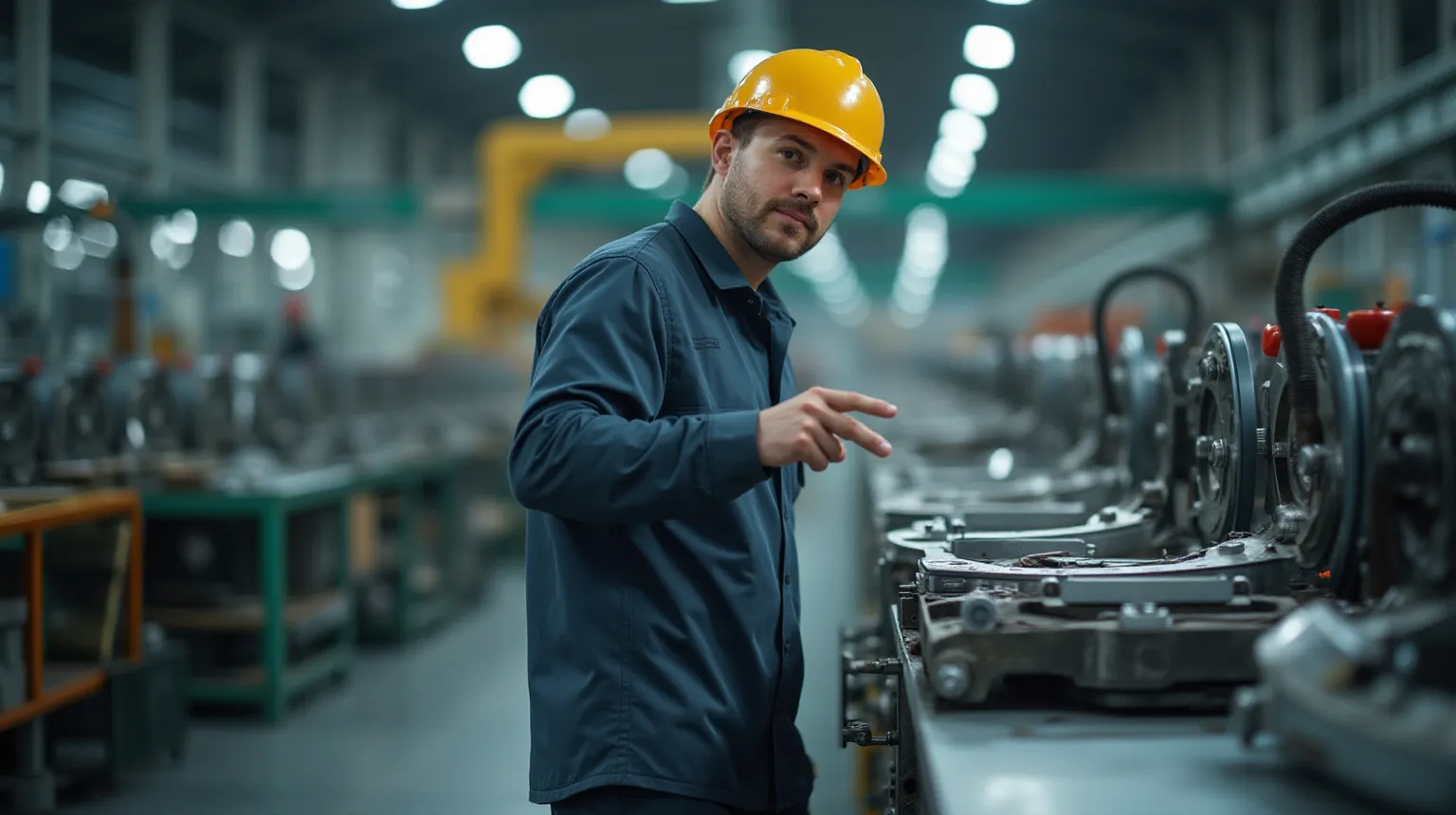
In many manufacturing environments today, there is a quiet but pervasive pride in "sophisticated" systems. We see it when an automation lead brags about the intricacy of the PLC code or the sheer number of lines required to execute a simple pick-and-place move. But here is the distinction we often fail to make: complexity is not the same thing as capability.
When a system requires specialized, high-level programming just to perform a routine change—like swapping a gripper, adjusting for a new label size, or rerouting a path by three inches—that isn't a technical achievement. It is an operational debt. We have built "black boxes" where the logic is so dense and the interface so opaque that the person standing in front of the machine becomes a spectator rather than an operator.
If your floor team has to call a specialized engineer from another department—or worse, another city—just to make a minor adjustment because they don't have "the permissions" or the "know-how" to touch the code, you haven't built a robust system. You’ve built a bottleneck. We must stop viewing these technical hurdles as necessary protections of the machine and start seeing them for what they are: unnecessary friction that slows down your ability to pivot. A truly capable tool is one that empowers the person on the floor to make adjustments in real-time, without waiting for an expert's permission.
Naming the failure: The Specialist Bottleneck
We call this The Specialist Bottleneck. It occurs when a process becomes so dependent on rare expertise that any deviation from the standard path requires a "priest" to perform a ritual of code updates and system reboots.
I’ve seen this play out in dozens of plants. A line stops because a pallet is slightly off-center, or a component's dimensions drift by two millimeters. The operator sees the problem immediately. They know exactly what needs to happen. But they can’t do it. They have to put up a "Waiting for Maintenance" sign and wait three hours while an automation specialist travels across the plant with a laptop to "re-tune" the robot's logic.
This isn't just a waste of time; it is a failure of design. When we allow technical complexity to gatekeep operational changes, we create a system that is brittle. The goal of automation should be to remove human variability from the process, not to replace one form of dependency (human error) with another (specialist availability). If your operators are forced into a state of passivity because they aren't "qualified" to interact with the machine’s logic, you haven't automated the task; you've just moved the hurdle.
Why this bottleneck persists (The Comfort Trap)
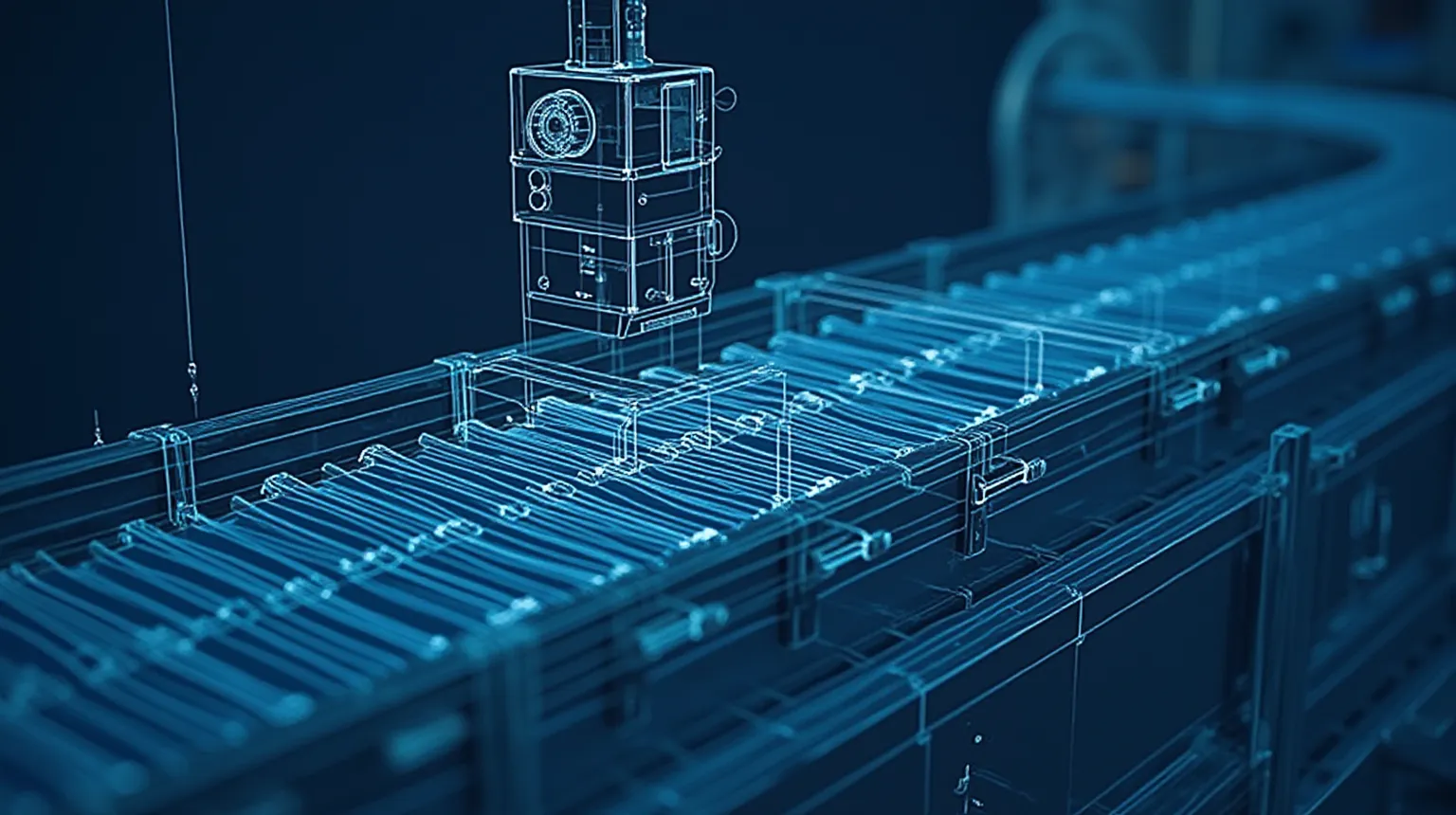
Why do we keep building these systems? Often, it is because of what I call The Comfort Trap. It is easier for an engineering team to build a "perfect" system that only they can maintain than it is to design a simplified interface that anyone can use. There is a perceived sense of control in having the "keys" to the code held by a few select individuals.
Furthermore, there is often a fear of what happens if we simplify. Some believe that giving an operator more autonomy over the machine’s logic will lead to them "breaking it." This fear leads to layers of unnecessary complexity—password protections on simple menus and convoluted sub-routines for basic tasks—as a way to keep everyone in their lane.
We can see this dynamic clearly when we look at how these hurdles are justified:
| The Comfort Trap | What is actually happening |
|---|---|
| "The code is too complex for an operator to learn." | The user interface is poorly designed and fails to provide a simple way to input common variables. |
| "We need specialists to ensure the system remains stable." | We are choosing a high-maintenance, fragile architecture over a robust, accessible one. |
| "It’s safer if only 'authorized' people touch the logic." | We are prioritizing administrative control over operational agility and speed of response. |
The real cost of rigidity (And what it looks like on the P&L)
When you have a system trapped behind The Specialist Bottleneck, the costs start to pile up in ways that don't always show up on a line item but definitely hit your bottom line.
First, there is the direct cost of downtime. If a robot sits idle for two hours while an engineer "re-programs" it for a minor change, those are two hours of zero throughput. In high-volume manufacturing, that's not just lost time; it’s missed shipments and potential penalties from customers.
Second, there is the cost of wasted motion—not just on the floor, but in your headcount. You are paying highly skilled engineers to perform "janitorial" work on code because they are the only ones with the keys. This is a waste of their talent; an engineer should be designing new capabilities, not adjusting gripper offsets for the third time this week.
Finally, there is the cost of lost opportunity. If every change to a product requires a formal request and a technical deep-dive, your ability to react to market demands slows down. You can't pivot quickly if you have to wait for a "sprint" or an "update cycle" just to swap out a label. Rigid systems make it expensive to be agile. In today’s market, being unable to adapt quickly is one of the most expensive mistakes a plant manager can make.
Operationalizing the shift: 4 Principles of Adaptive Automation
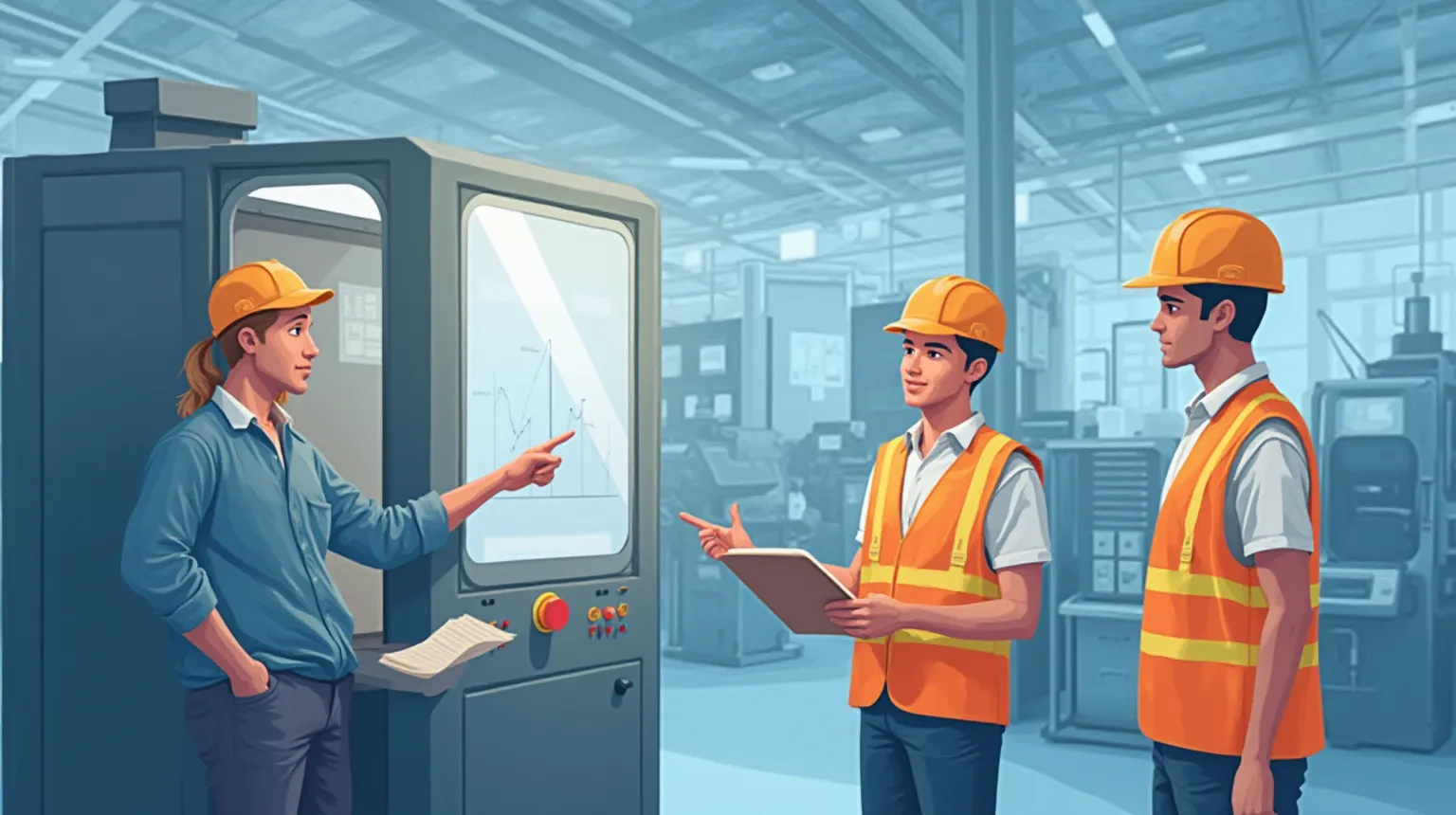
To break through this bottleneck, we must move toward Adaptive Automation. This isn't about making things "easier" for no reason; it’s about removing the friction between an operator noticing a need and the machine meeting that need. We can achieve this by following four core principles:
- Natural Language Interaction: Instead of requiring operators to navigate complex menus or learn proprietary scripting languages, systems should be accessible via natural language. If an operator needs to change a speed because of a material variance, they should be able to type (or speak) that instruction into the system, which then translates it into the appropriate machine parameters.
- Vision-Based Verification: We should move away from hard-coded "if/then" logic for everything. By utilizing AI and vision systems, the robot can "see" a deviation—like a misplaced part or a different color of packaging—and adjust its path automatically without any manual reprogramming. The camera becomes the eyes that allow the machine to adapt in real-time.
- Modular Logic Blocks: We must stop building "spaghetti code." Systems should be built with modular components where common changes (like gripper height or conveyor speed) are isolated from the core motion logic. This allows an operator to swap a "module" without risking the stability of the entire system.
- Operator-Centric Design: The interface must be designed for someone wearing gloves and moving at pace, not for someone sitting in a chair with a keyboard. If an adjustment requires more than three clicks or a manual typed into a terminal, it is too complex.
Practical takeaways for this week’s Gemba walk
Don't try to overhaul your entire automation suite on Monday morning. Start by identifying where the friction lives today. On your next walk, look for these three things:
- Audit the "Call an Engineer" points: Walk your lines and identify every instance where a process stops because of a software or logic hurdle. Map out how long it takes to resolve those issues. Is there a recurring theme? If you find that 80% of your calls are for simple adjustments, you have found your first target for simplification.
- Identify "Word-Based" tasks: Find one specific task currently performed by an operator that involves a lot of manual "finessing"—like nudging a part into place or adjusting a tray. Ask: "If the machine could understand this as a simple instruction, how would we say it?" Use this to identify where natural language interfaces can replace complex sub-menus.
- Pilot a vision check: Choose one common defect that currently requires a manual "re-run" or an engineer's intervention after a failure. Can you implement a basic vision system to flag and route those parts automatically? Start small; prove the value of automated detection before scaling it across the line.
The next challenge is ownership, not just documentation.
We’ve talked about removing the technical barriers that keep your people from interacting with their machines. But even if we make the interface perfectly simple—if every button and instruction is clear as day—we still face a hurdle: Ownership.
It is one thing to give an operator the ability to change a setting; it is another for them to feel the responsibility to ensure that change remains correct over time. Simply documenting a procedure doesn't mean someone owns its success. In our next discussion, we will look at why many "simplified" systems still fail because the responsibility for the outcome was never actually handed over from the engineering team to the floor team. We’ll move from making it easier to use to ensuring it stays running perfectly—the difference between a manual and mastery.
Download and Share This Issue
Next Issue Preview
Next up: The taboo of 'Digital Documentation.' We look at why having the perfect SOP on paper means nothing if nobody is trained, accountable for following it, or empowered to fix it when it fails in real time. Stay tuned.
Call to Action
What is one high-mix changeover in your plant right now that feels unnecessarily complex? Share a quick example below, and let’s talk about how to simplify it. P.S. Don't forget to share this with another leader who needs an honest diagnosis.
Newsletter replies and questions: [email protected]
Follow updates on X.com: @kaizen_6sigma
References
Standard Bots Says AI Cuts Robot Programming Time by 90%; Deming's Principles of Quality; Juran’s Total Quality Management