The Problem: The Capability Illusion
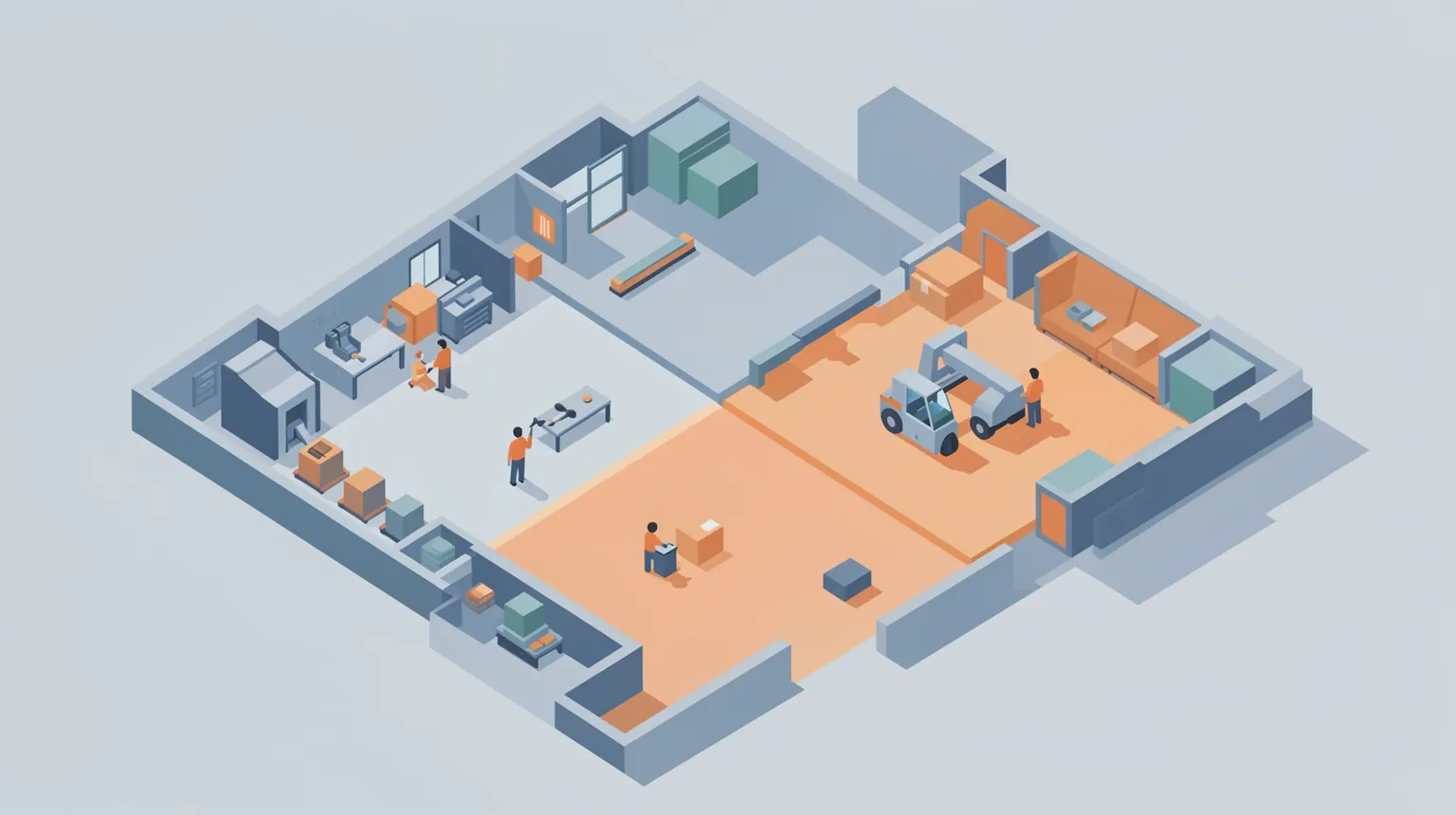
I’ve spent enough time on manufacturing floors to know that most problems don’t start with a lack of technology; they start with an overestimation of what that technology can do without human guardrails. Right now, we are seeing a new flavor of this across the industry: the rapid deployment of autonomous AI agents. These aren't just static scripts or simple automation loops. They are tools designed to make "decisions"—to prioritize tasks, adjust parameters, and navigate workflows with very little manual intervention.
The failure mode I’m seeing is what I call The Capability Illusion. It happens when a leadership team sees a demo of an AI agent performing a complex task flawlessly in a controlled environment and assumes that same capability translates directly into production readiness. They see the "magic" of the software and mistake it for process maturity.
In reality, deploying an autonomous agent without a clear operational charter is like putting a high-performance engine into a car with no steering wheel or brakes. You might get moving very quickly, but you have no way to govern the direction or stop the momentum when things go sideways. A tool that can perform a task is not the same thing as a process that is under control. If you haven't defined exactly where the agent’s authority ends and human oversight begins, you haven't actually "deployed" anything—you've just outsourced your risk to an unmonitored black box.
Why We Keep Doing It This Way (And Why That’s a Failure)
Why do we fall for this? Because it feels like progress. In the rush to be "innovative," there is a psychological trap where we prioritize the speed of implementation over the discipline of integration. We want the win, and the AI agent offers a shiny path to it. But when you skip the governance phase, you aren't actually solving an operational problem; you are just moving the complexity from your people onto your infrastructure without any way to manage that new complexity.
We tell ourselves stories to justify skipping the hard work of defining boundaries. We treat these tools like "plug and play" solutions, when in fact, every piece of technology on a production floor should be treated like a new hire. You wouldn't hire an employee and give them keys to the warehouse without telling them what they can move or who they can report to. Yet, we do exactly that with autonomous agents.
| The Comfortable Rationalization | The Underlying Reality |
|---|---|
| "The AI is smart enough to learn our process on its own." | The agent will drift toward the path of least resistance until it hits a hard wall of failure or safety violation. |
| "We can just tweak the settings if something goes wrong later." | By the time you realize it's going wrong, the "tweak" won't matter because five hundred parts are already scrap. |
| "The software vendor guaranteed this would work for our use case." | The vendor isn't responsible for your floor’s specific constraints; you own the consequences of its decisions. |
| "It’s just a pilot program, so the stakes are low." | A pilot without boundaries is just an uncontrolled experiment that eventually bleeds into production data and habits. |
What Happens When Governance Doesn't Meet Capability
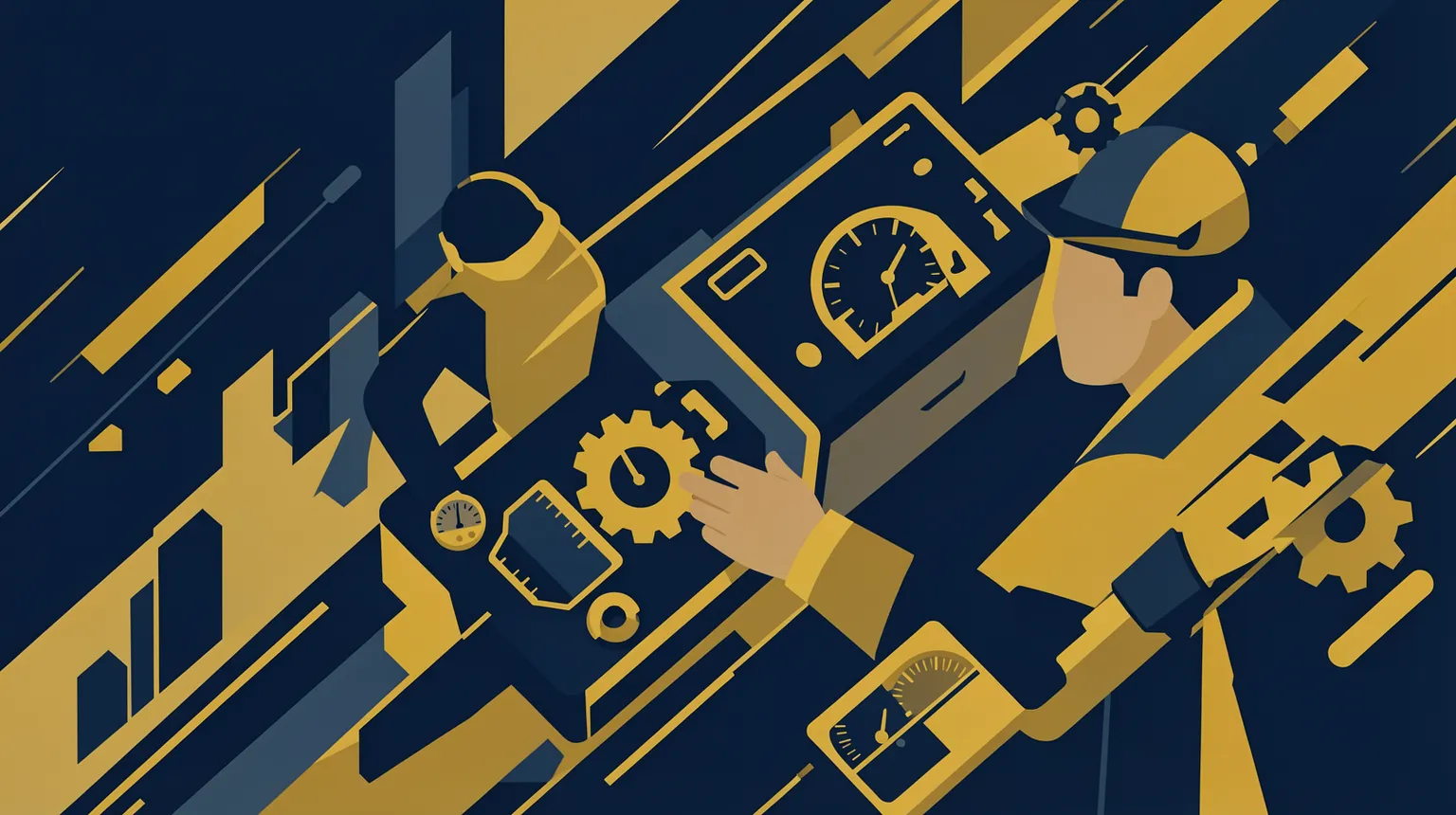
When your technical capability outpaces your operational governance, you don't get efficiency; you get instability. I’ve seen what happens when "smart" systems are allowed to run wild without a clear charter. The costs aren't just theoretical—they show up in the data and on the faces of your operators every day.
First, there is the Rework Loop. An agent might optimize a setting for speed that inadvertently compromises a tolerance. Because it’s "autonomous," the error might go unnoticed until a full batch is finished. Then you have to scrap the work, find the ghost in the machine, and start over. That's not progress; that's just expensive waste.
Second, there is the Erosion of Trust. This is perhaps the most damaging cost. When an AI agent produces inconsistent results or makes "weird" decisions that operators can’t explain, they stop trusting the tool. They begin to work around it, creating unofficial "shadow processes." You end up with a high-tech system that everyone ignores because it's too unpredictable to rely on.
Third, there is the Accountability Void. When an agent makes a mistake that causes a line stoppage or a quality escape, who owns that? If you can’t point to a specific rule in the Agent Charter that was violated, then no one is responsible. You cannot manage what you cannot hold accountable.
The Agent Charter: Five Steps to Operational Control
You need to treat every autonomous AI agent as a "new employee." Before it touches your production flow, it needs an Agent Charter. This isn't a 50-page policy manual; it’s a set of hard boundaries that define its scope and limits. Here is how you build it:
1. Define the Scope of Authority
Clearly state what the agent is allowed to do. Does it have permission to change oven temperatures? Can it reassign priority on a work order? If it isn't explicitly in the charter, the answer must be "no." You must draw a hard line between automated adjustments and human-approved changes.
2. Establish Permission Tiering
Not all decisions are equal. Create a hierarchy of actions. Level 1 might be low-risk tasks (e.g., notifying a supervisor of a delay). Level 5 might be high-risk (e.g., altering a critical safety parameter). The charter must dictate exactly which levels the agent can handle autonomously and which require a "human-in-the-loop" confirmation.
3. Calibrate Hard Guardrails
Guardrails are your "kill switches." These are non-negotiable physical or digital limits that the AI cannot override, regardless of what its logic suggests. If an oven temperature is allowed to go up to 400 degrees for a specific process, the agent must be physically/programmatically incapable of requesting 401 degrees.
4. Mandate Audit Transparency
Every decision made by an autonomous agent must leave a "paper trail." You need a log that doesn't just say what happened, but why. If an operator walks up to a machine and sees a change was made, they should be able to see the logic path the agent took. If you can’t explain why it did something, you don't have control over it.
5. Define Handover Protocols
What happens when the agent hits a "gray area" or an error? The charter must define the exact moment and method for handing control back to a human. There should be no ambiguity here—a clear escalation path that tells the operator exactly what information they need from the agent to take over safely.
Getting AI Right on Day One: Practical Checks for Your Gemba Walk
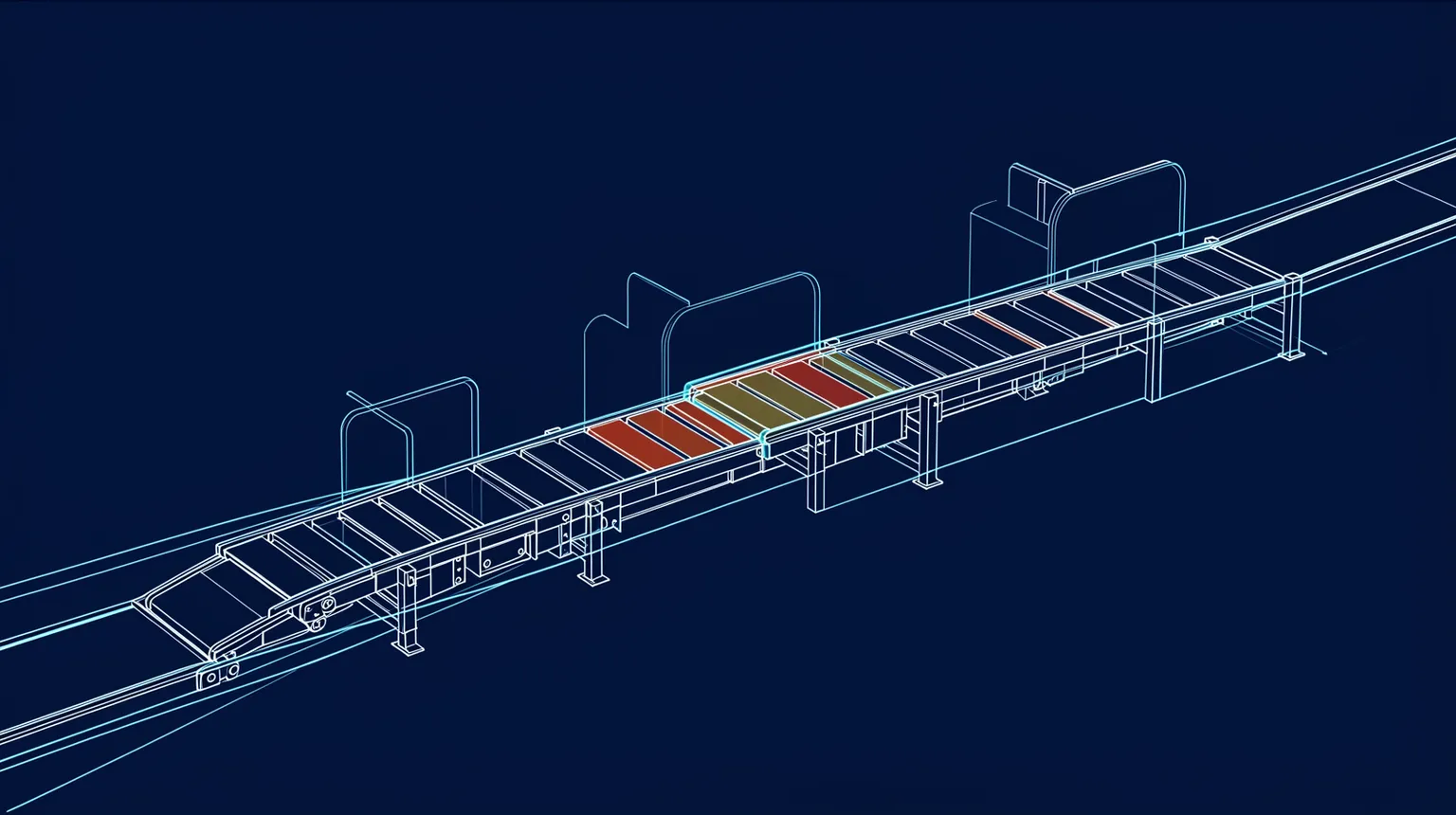
Don't wait for a system failure to see if your governance is working. You can audit this today during your next walk of the floor. When you see an automated system or an AI-driven tool in operation, ask these three questions and look for these specific markers:
1. "Show me the 'Stop' logic." Don't just look at how it works when things are going well. Ask to see the reaction plan for when the agent encounters a situation outside of its charter. Is there a physical button, a clear alert, or an automated fallback? If the answer is "it just keeps trying," you have a governance gap.
2. "Who owns this decision?" Point to a specific output the AI generated today. Ask the floor lead: "If this was wrong and caused a scrap event, who is responsible for the fix?" If they point at the software or the vendor, your charter isn't doing its job. The ownership must land on a human role in your organization.
3. "Can you show me the audit trail?" Ask to see the log of the last three autonomous actions taken by the system. Is it readable? Can an operator understand the reasoning behind those actions, or is it just a string of code? If it's not human-readable, your team will eventually stop using it because they can't troubleshoot it when it drifts.
Checklist for the Floor:
- Is there a physical "Agent Charter" summary posted near the workstation?
- Are the high-risk guardrails clearly identified and testable?
- Does the operator know exactly how to override the agent's current state?
- Is there a clear escalation path for when the AI hits an "uncertainty" threshold?
Download and Share This Issue
Call to Action
Where in your current processes do you suspect the 'Capability Illusion' might be setting up failure? Share this newsletter with one colleague who needs to stop thinking of AI as software, and start treating it like machinery.
Newsletter replies and questions: [email protected]
Follow updates on X.com: @kaizen6sigma
References
AI Agents in Operations Guide (Source Material)