
Issue Summary: The Illusion of Self-Operating Systems
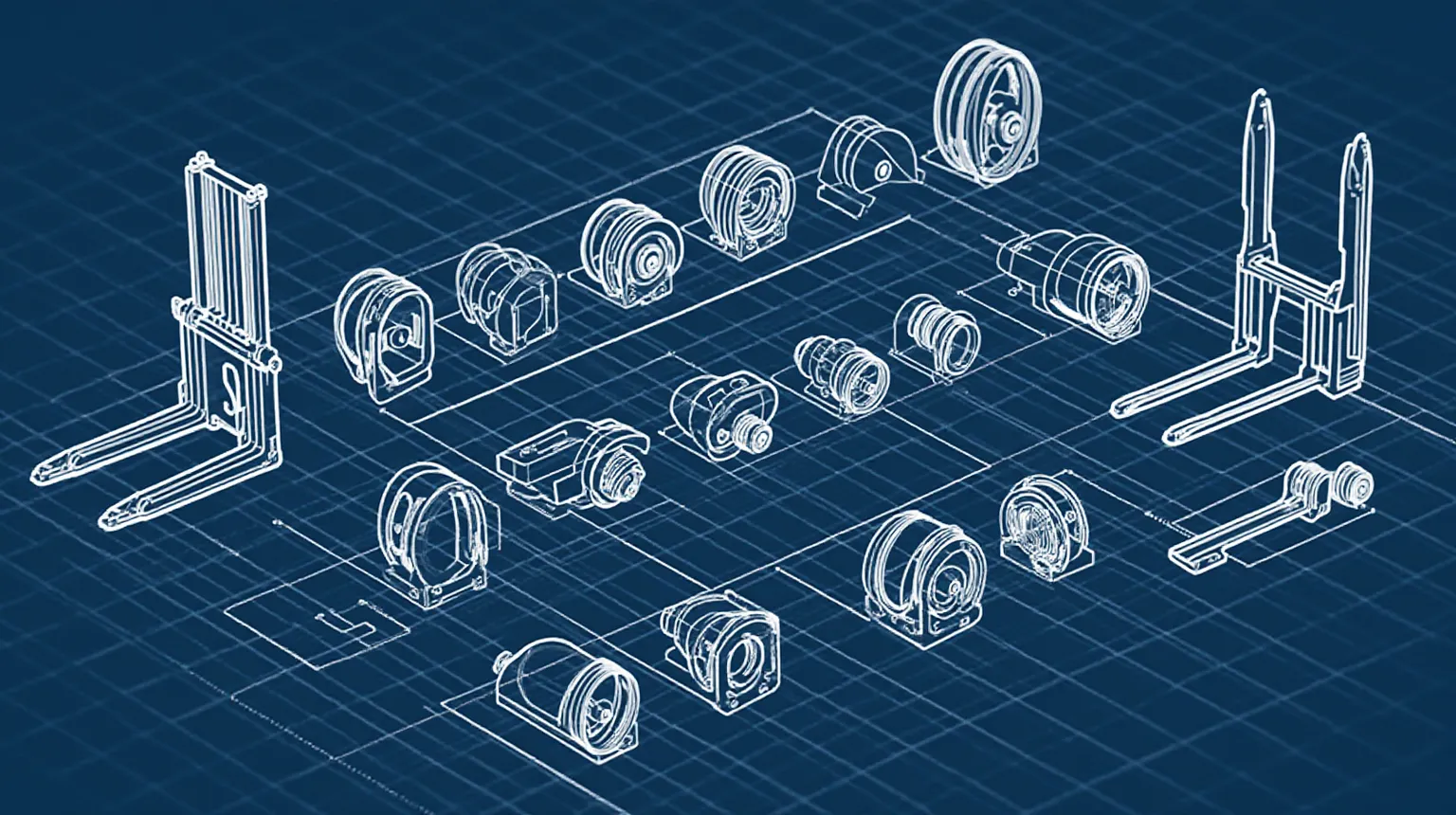
The current conversation around automation in logistics and manufacturing is saturated with a dangerous premise: that adding a layer of intelligence to a process automatically creates a robust system. Many leaders are looking for "plug-and-play" autonomy, hoping that an AI algorithm will solve deep-seated coordination problems without requiring any change to the underlying operational discipline.
This leads to what I call The Autonomy Illusion. It is the belief that if the software is smart enough, the process doesn't need to be disciplined enough. This isn't just a technical oversight; it’s an operational failure. When we move from manual processes to automated ones, the "guardrails" don't disappear—they simply change form. If you haven't engineered those guardrails into your system before the first line of code is written, you aren't building a self-operating system; you are just creating a way for errors to happen faster and at a larger scale than any human could manage alone.
The Automaly Illusion: When AI is Treated Like an Oracle, Not a Process Step
In my years on the floor, I’ve seen what happens when we treat a new tool as a magic wand rather than a piece of equipment. You can think of it like a high-speed conveyor system. If you put a faulty sensor on that belt, the machine doesn't "know" there is an issue; it just keeps moving the defective product toward the shipping dock at twice the speed of a manual operator.
When companies treat AI as an oracle—a source of truth that requires no verification—they are essentially removing the human check from the process and hoping the math covers for them. They assume that because the algorithm "decided" on a route or a picking sequence, it must be correct. This is not how you build a reliable operation.
Automation is not a substitute for process control; it is an accelerator of existing controls.
If your current inventory management lacks clear definitions for "damaged goods," an AI won't suddenly figure out what to do with them. It will simply categorize the damage according to whatever flawed logic was fed into its training set. We must stop viewing these systems as replacements for human judgment and start seeing them as components that require a rigid, defined framework of constraints—a harness—to keep them within acceptable operational bounds.
Why Does This Fail? The Mistake of Trusting Software Over Processes

The reason most "automated" projects eventually spiral into firefighting is that the organization focuses on Model Accuracy instead of Process Stability. They celebrate a 98% success rate in a controlled test and assume the remaining 2% are edge cases they can ignore. On the shop floor, however, that 2% represents a stalled conveyor, a misrouted pallet, or a safety hazard that requires an immediate manual intervention.
When we prioritize "smart" software over "stable" processes, we create systems that drift because there is no mechanism to catch them until they fail catastrophically. We see this happen when the team prioritizes making the machine faster rather than ensuring it stays on track.
| The Convenient Rationalization | The Operational Reality |
|---|---|
| "The algorithm's accuracy is high enough for daily use." | "We haven't defined what happens—or who decides—when the 2% failure occurs." |
| "The software handles the complexity so we don't have to." | "The system lacks a manual override or an escalation path when data quality drops." |
| "It’s a 'set it and forget it' solution." | "A system without human-in-the-loop checkpoints will eventually drift into a non-functional state." |
The Real Cost of Uncontrolled Automation
The cost of skipping the harness is rarely an immediate, spectacular explosion. Instead, it is a slow erosion of reliability that manifests in three specific ways:
- The Erosion of Trust: When a picker or a floor lead finds themselves constantly correcting "smart" mistakes, they will stop trusting the system. They won't just find workarounds; they will start to ignore the system’s prompts entirely, leading to a breakdown in data integrity.
- Escalation Bloat: Without clear boundaries on what an automated system is allowed to do, every minor "glitch" becomes a high-priority emergency for management. You end up with managers spending their day solving problems that should have been caught by a simple gate at the machine level.
- The Silent Drift: This is the most dangerous cost. It’s when the system works 95% of the time, but slowly accumulates errors in inventory counts or shipping labels. By the time you notice the discrepancy, it has become a massive, multi-month reconciliation project that halts production to fix.
A failure in automation isn't just a software bug; it is a breakdown in your ability to maintain control over your physical assets.
Harness Engineering: A Phased Approach to Controlled Autonomy
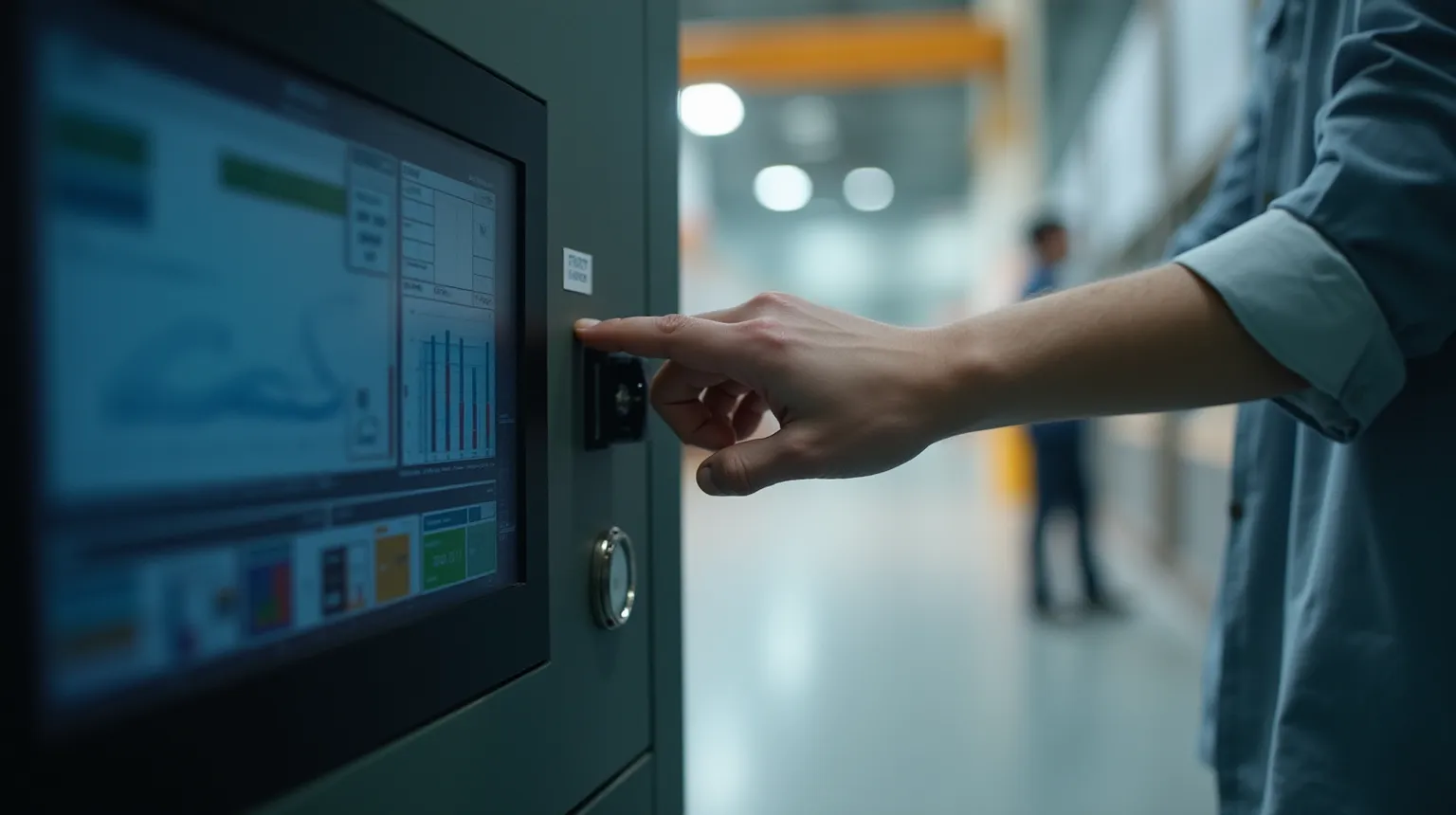
To move from "unreliable automation" to "controlled autonomy," you must implement Harness Engineering. Think of this as the cage around the engine. The goal isn't just for the machine to run; it’s for the machine to be unable to leave its designated lane.
We categorize automated actions into three distinct classes of interaction. You cannot jump from Step 1 to Step 3 without building the infrastructure for both.
1. Recommendation (The Advisory Layer)
In this phase, the system identifies a path or an action but requires a human "green light." The AI suggests: "I believe Pallet A belongs on Dock 4." A worker confirms it with a tap of a button. This builds confidence and allows you to gather data on where the AI is struggling without risking actual waste.
2. Validation (The Guardrail Layer)
Here, the system performs the action but checks its work against hard-coded "safety" parameters before finalizing. The machine moves the pallet, but a secondary sensor or logic gate ensures it hasn't crossed into an unauthorized zone. If the check fails, the system stops and alerts a human. This is where you define your Hard Limits.
3. Action (The Autonomous Layer)
Only when a process has been proven stable in both Recommendation and Validation phases do you move to full autonomy. Here, the "Harness" is so tight that the system can operate independently because any deviation from the standard work would trigger an immediate, automatic stop of the line.
Getting Operational: Three Things You Can Verify Tomorrow
You don't need a massive IT overhaul to start building your harness. Start with these three audits on your current or planned automated systems:
- Identify the "Hard Stops": Walk the floor and identify every point where an automated process could result in a safety hazard, a shipping error, or a production halt. If you cannot clearly define what must never happen (e.g., "a robot must never enter Zone B"), your system is not yet ready for autonomy.
- Map the Escalation Path: For every automated step, ask: "If this fails today at 3:00 AM on a Sunday, who gets the alert and what is their specific instruction?" If the answer is "the person on duty just figures it out," you don't have a process; you have an ambiguity.
- Audit the Data Inputs: Most automation failures are actually data quality problems in disguise. Check your primary inputs—barcode scans, weight sensors, and GPS coordinates. If your input data has a 5% margin of error, your "smart" output will eventually reflect that same decay. Fix the source before you trust the algorithm.
Download and Share This Issue
Call to Action
When was the last time you manually audited an autonomous decision? Share this newsletter with a colleague who needs to hear about guardrails, not just hype.
Newsletter replies and questions: [email protected]
Follow updates on X.com: @kaizen_6sigma
References
LogisticsViewpoints: Harness Engineering in Logistics (Source Material)