
Issue Summary
The retail floor is changing faster than most inventory systems can keep up with. We are moving into an era where macro trends—like the rapid rise of GLP-1 medications and their ripple effects on the wellness and food industries—are shifting consumer behavior in real-time. When a trend hits, it doesn't just change what people buy today; it fundamentally alters the lifecycle of every SKU in your warehouse.
The problem is that most retail operations are still running on a "reactive policy" model. You wait for a product to underperform, you see the returns pile up in the backroom, and then you adjust the next order. By then, the trend has already shifted, and you’re left holding a mountain of inventory that nobody wants. The thesis here is a move toward predictive governance. We need to stop treating returns as a cost center to be minimized and start treating them as an intelligence stream to be harnessed. If we can use consumer behavior data—specifically the "why" behind a return—to predict where demand is moving next, we move from firefighting inventory issues to governing flow with foresight.
The Return Window Blind Spot
I’ve spent enough time on warehouse floors and in distribution centers to know that "returns" are often treated as an administrative headache rather than a data goldmine. In most organizations, the goal of return management is simple: get the item back into a sellable state as cheaply as possible. This is what I call The Reactive Loop.
In The Reactive Loop, you treat every returned unit as a failure of the previous sale. You look at the refund amount and the shipping cost, but you ignore the signal hidden in the reason code. For example, if you see a sudden spike in returns for a specific wellness supplement or a high-protein snack—not because it’s broken, but because "it didn't meet expectations"—that isn't just an inventory problem. It is a leading indicator of a shift in consumer preference.
When you ignore this, you are flying blind. You see the stock moving out and coming back, but you aren't seeing why the flow has changed. A plan on paper that says "maintain current stock levels" becomes useless when the underlying demand signal has shifted overnight due to a macro trend like a new health craze. We need to stop looking at returns as an ending point and start seeing them as the first data point of the next cycle.
Why Governance Fails When You Only Look Backward

Most inventory governance fails because it relies on "lagging" indicators. You look at last month’s sales, you look at last year's peak season, and you project forward. This assumes that the future will look like a slightly modified version of the past. But in a high-velocity market influenced by rapid health trends, the past is often a poor map for the future.
The mechanism of failure here is usually siloed data. The team managing the returns (logistics) isn't talking to the team predicting demand (planning), and neither are they looking at the macro environment that drives both. They are both looking at their own spreadsheets, trying to make sense of a moving target using stationary tools.
| Comfortable Rationalization | Underlying Reality |
|---|---|
| "We have enough stock based on last year's numbers." | The market has shifted; your 'safe' stock is becoming dead inventory. |
| "Returns are just an inevitable cost of doing business." | Returns are a primary data source for identifying failing product-market fit. |
| "The policy says we keep X amount in the regional hub." | Rigid policies prevent you from moving stock to where the new demand actually is. |
| "We'll adjust our orders once we see the trend stabilize." | By the time the trend stabilizes, your capital is tied up in obsolete inventory. |
What This Costs: The Hidden Tax of Reactionary Planning
When you operate in The Reactive Loop, you pay a hidden tax on every square foot of your warehouse and every cent of your working capital. It isn't just about "lost sales"—it’s about the erosion of operational efficiency.
First, there is the cost of overstocking dead trends. You keep ordering what used to sell because your data hasn't caught up to the fact that consumers have moved on. This clogs your aisles and forces you to spend more on storage for items that will eventually be marked down to zero just to clear space.
Second, there is the cost of understocking high-growth signals. If a macro trend like GLP-1 adoption causes a sudden pivot in how people shop for snacks or fitness gear, and your system doesn't catch that "return signal" quickly enough, you end up with empty shelves during a peak demand window. You lose the sale to a competitor who was faster to react.
Finally, there is the customer experience tax. When consumers can’t find what they need because your inventory allocation is lagging behind real-time behavior, they lose trust in your brand. A frustrated customer at a retail counter or an "out of stock" notification online is a permanent mark on your reputation that no amount of discount coupons can easily fix.
The Three Pillars of Predictive Flow Control
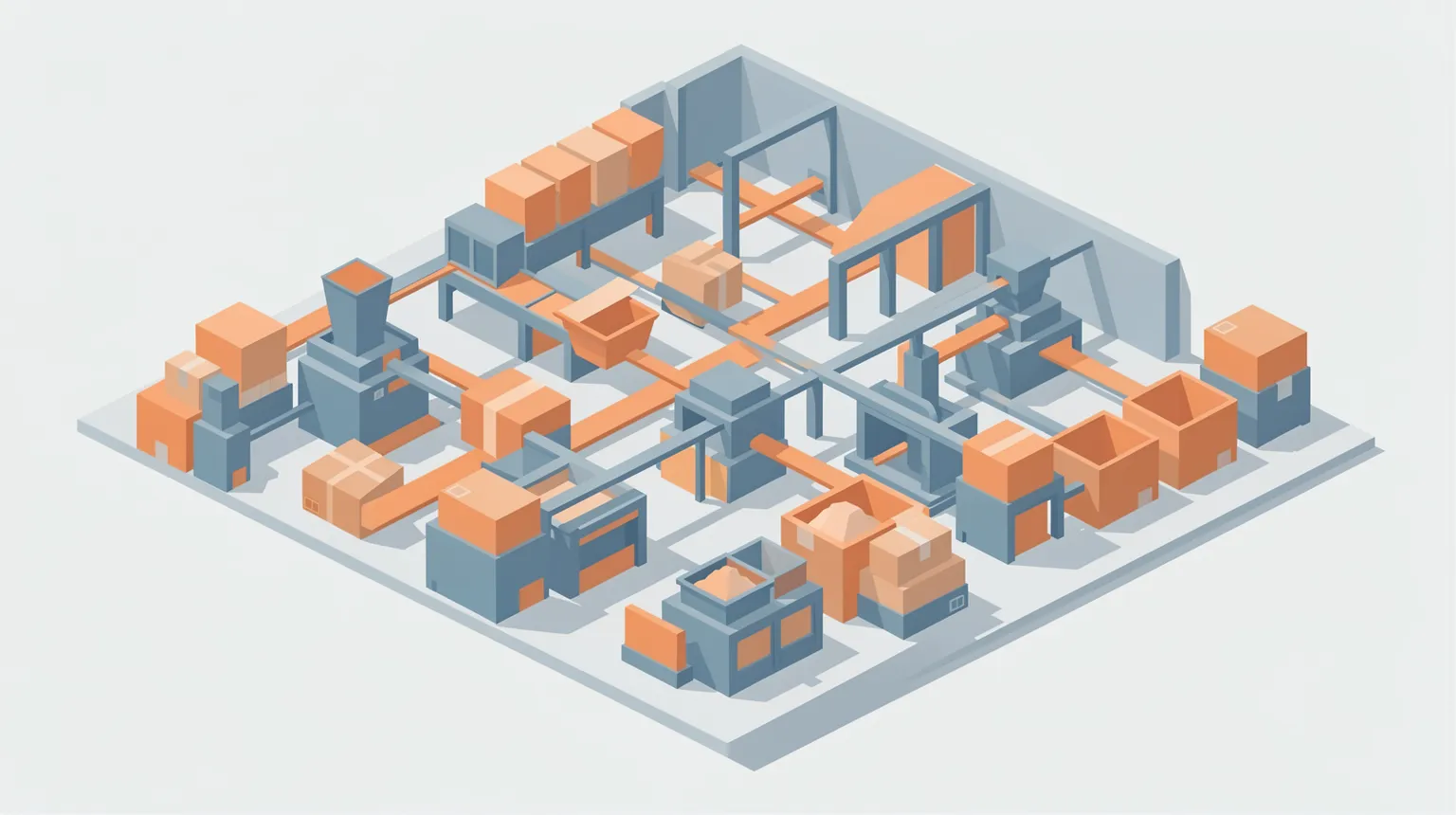
To break out of the reactive cycle, you need to move toward predictive governance. This isn't about having more data; it’s about changing how you use the data you already have. I propose a three-pillar framework for moving from policy to prediction:
Unified Data Capture You must bridge the gap between your returns department and your demand planning team. Every return should be tagged with not just a "reason code" (like 'defective' or 'wrong size'), but a behavioral tag that feeds directly into your inventory replenishment logic. If a product is being returned because it doesn't fit a new lifestyle trend, the system needs to flag that as a demand shift immediately, not three months later during an audit.
Demand Signal Mapping You need to correlate internal return data with external macro signals. For example, if you see a spike in returns for specific food categories while simultaneously seeing a rise in wellness-related search terms or news cycles, your "signal" is confirmed. You are mapping the why of the consumer behavior against the what of your inventory movements.
Proactive Inventory Allocation This is where the rubber meets the road. Once you identify a shift through unified data and signal mapping, you move stock before the demand peaks. This means reallocating inventory from underperforming regions to high-growth areas based on predictive flow rather than waiting for an order to fail or a shelf to go empty. You are governing the flow of goods by anticipating where the consumer is going next.
Making the Change Operational, Not Theoretical
You don't need a massive software overhaul to start this tomorrow. You need to change how you observe and act on what is already happening on your floor. On your next Gemba walk, I want you to look at three specific things:
Audit the Return Reason Codes
Walk into the returns processing area. Look at the physical paperwork or the digital screens where operators log reasons for returns. Are they just checking a box because it's fast? If "Product Not as Expected" is your most common tag, ask what that actually means on the floor. Is there a specific product causing this? That’s your first data point to move into your planning meeting.
Talk to the Floor Staff
Ask the people handling the returns what they are hearing from customers. They are your front-line sensors. If three different customers in one hour mention that they are changing their diet because of a new medication, that is a high-fidelity signal. Document those qualitative observations and feed them into your demand planning cycle as "soft signals" to be validated by the data.
Review Your Reorder Points
Look at your current reorder points for products affected by macro wellness trends. Are they static? If so, challenge them. Ask: "If our return rate on this SKU increases by 10% due to a shift in consumer preference, how quickly does our system trigger an inventory reallocation?" If the answer is "it doesn't," you have identified a gap in your governance that needs to be closed immediately.
The goal isn't to eliminate returns—that’s an impossible task. The goal is to ensure that every return serves as a compass, pointing you toward where your next sale will happen.
Download and Share This Issue
Call to Action
What macro trend are you currently seeing reshape your inventory flows? Let me know in the comments or share this with a Director who needs an honest look at their returns process.
Newsletter replies and questions: [email protected]
Follow updates on X.com: @kaizen6sigma
References
Supply Chain Brain: How the GLP-1 Trend Is Impacting Retail Returns and Inventory