The Digital Plan vs. The Physical Reality
There is a massive gap between the way a process looks on a computer screen and how it actually functions when there is grease on the floor, heat in the air, and a three-shift rotation of human operators who are trying to hit their numbers. In our industry, we call this "The Simulation Gap." It happens when management buys into a high-tech digital twin or an AI predictive model because the software looks impressive in a boardroom presentation. They see a beautiful, seamless flow of data and think they have solved the problem of production bottlenecks.
But on the shop floor, reality is rarely seamless. I’ve seen cases where a "perfect" digital model predicted exactly how many units a cell could produce, only to fall apart the moment an operator had to manually clear a jammed part or when a sensor became coated in dust and began reporting erratic values. The digital twin didn't account for the physical friction of manufacturing. It assumed that every component would stay within perfect tolerances indefinitely and that no human would ever need to "work around" a minor software glitch by bypassing a step.
A digital plan is not an operational reality. A digital plan is a set of assumptions about how things should go if everything works perfectly. An operational reality is what happens when the motor gets hot, the humidity changes the way the material flows, and the operator on the night shift has to make a split-second decision that isn't programmed into the algorithm. When we build our digital tools based only on the "perfect" model, we aren't building a tool for the floor; we are building an island of data that is disconnected from the actual work being done by people in high-vis vests.
What is Actually Happening: Beyond the Buzzword Cycle
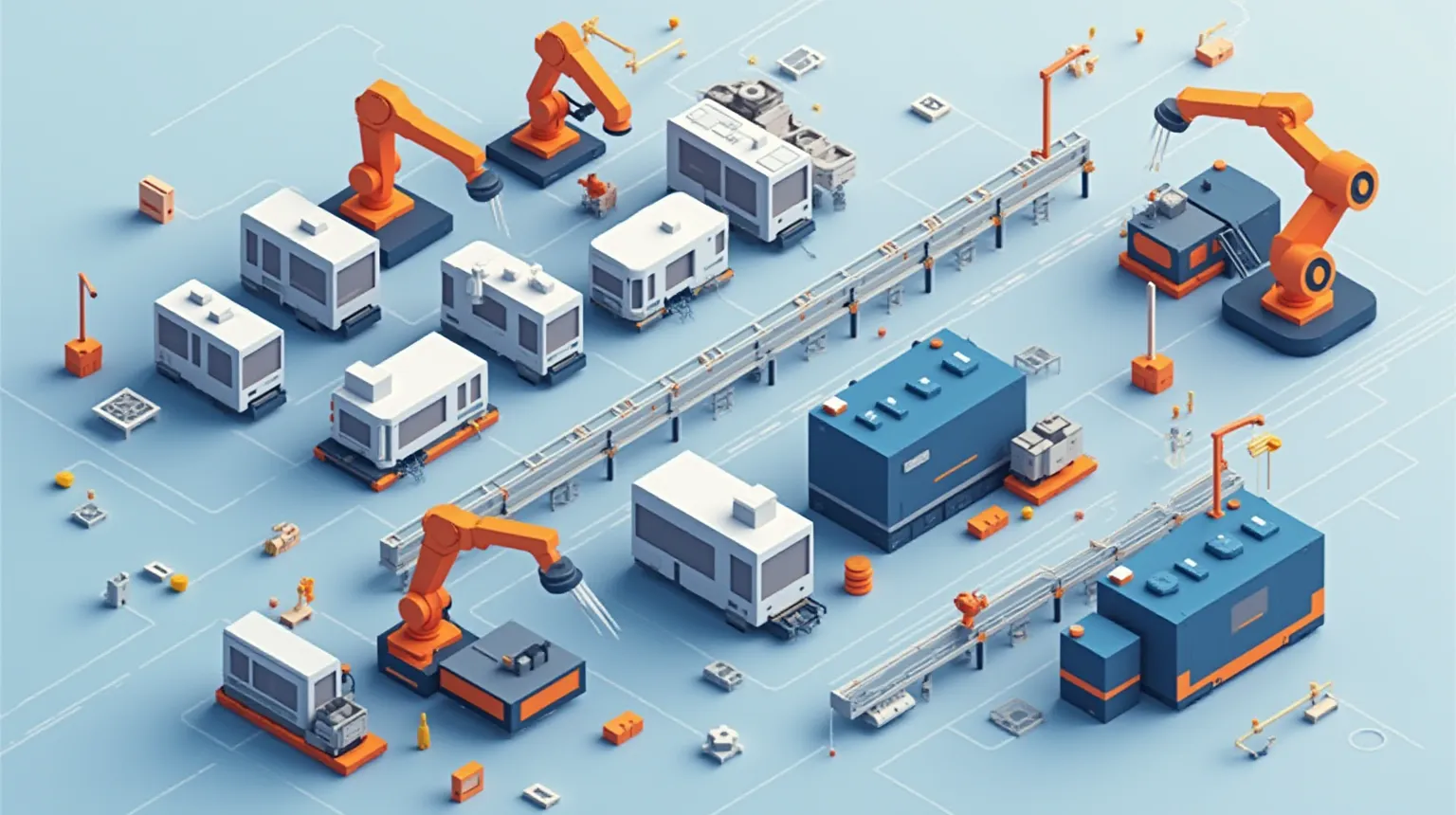
We need to be honest about what’s happening when these technologies fail to deliver results. Often, it isn't because the AI is "bad" or the digital twin is poorly coded. It’s because of The Integration Gap. This happens when a company buys sophisticated software but tries to run it on top of broken processes and unreliable data. They think they are innovating with technology; in reality, they are just automating an existing mess.
If your sensor data is inconsistent or if the manual logs being fed into the system are incomplete, the most advanced AI in the world will produce useless results. You cannot have a high-fidelity digital twin if you don't have high-integrity physical inputs. We often mistake "having the software" for "having the solution."
To see where many organizations get stuck, look at the difference between what is promised and what actually happens:
| The Marketing Promise | The Shop Floor Reality |
|---|---|
| Predictive Maintenance | A system that alerts you only after a bearing has already started to grind because the vibration sensor wasn't calibrated. |
| Real-time Optimization | An algorithm that suggests an "optimal" speed that the actual motor cannot sustain for more than ten minutes without overheating. |
| Seamless Integration | Two different systems (IT and OT) that don't talk to each other, requiring a human to manually type data from one screen into another. |
| Autonomous Decision Making | A system that flags an error but provides no clear instruction for the operator on how to fix it physically. |
The goal isn't just to have "Smart Factory" tools; it’s to ensure those tools are actually listening to what is happening at the machine tool, not just what we hope is happening based on a spreadsheet from three months ago.
The Cost of Digital Overconfidence
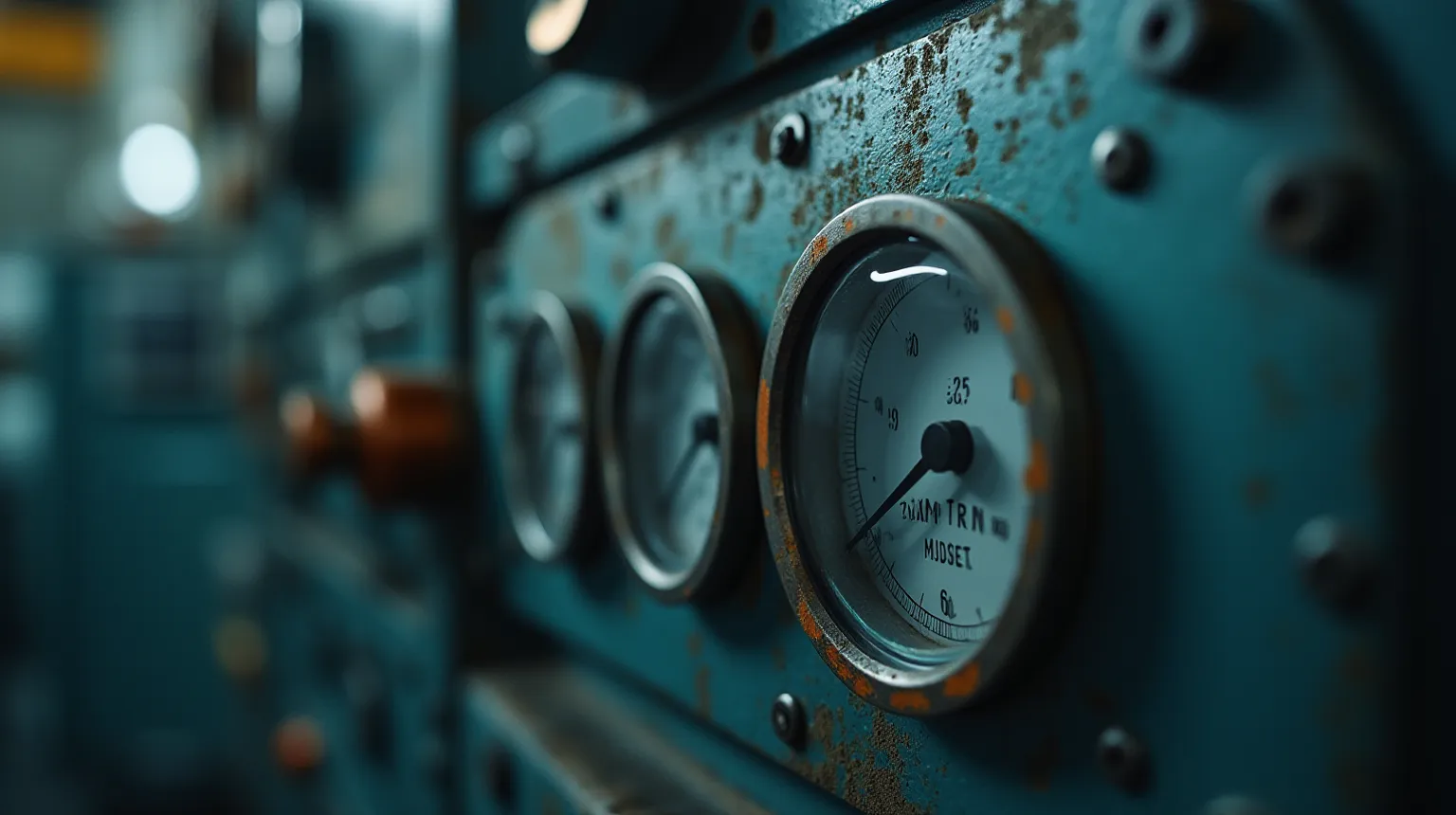
When we allow our digital models to outpace our physical reality, we pay for it in ways that hit the bottom line immediately. This is The Data Mirage. It’s easy to feel confident when your dashboard shows green lights and perfect projections. But if those numbers aren't grounded in the physics of the floor, that confidence is an illusion.
When a digital twin doesn't account for physical constraints—like the time it takes to swap out a tool or the specific way a material behaves during a changeover—the consequences are tangible:
- The Cost of Rework: When the system says "Go" but the machine isn't actually ready, you end up with scrap. If the AI thinks a part is within spec because it’s only looking at one data point while ignoring a secondary physical indicator, that part eventually ends up in the bin or, worse, and in the hands of a customer.
- The Cost of Frustrated Operators: When an operator is forced to work with a system that doesn't "understand" their reality—such as a software prompt that demands they perform an impossible action because the digital twin hasn't accounted for a mechanical limitation—they will stop trusting the tool. They will start finding ways to bypass it, creating "shadow processes" that your data can no longer see.
- The Cost of Delayed Response: If our high-level models are too complex or disconnected from the machine’s actual state, we lose the ability to react quickly. Instead of a simple, clear alert on the floor, we get an "anomaly detected" message in an office three floors up where someone has to call down and investigate.
The cost is not just in parts; it's in the erosion of trust between the people who run the machines and the systems that are supposed to help them. A system that makes a worker’s job harder or more confusing isn't "smart"—it's an obstacle.
Making it Work: The Operational Integration Checklist
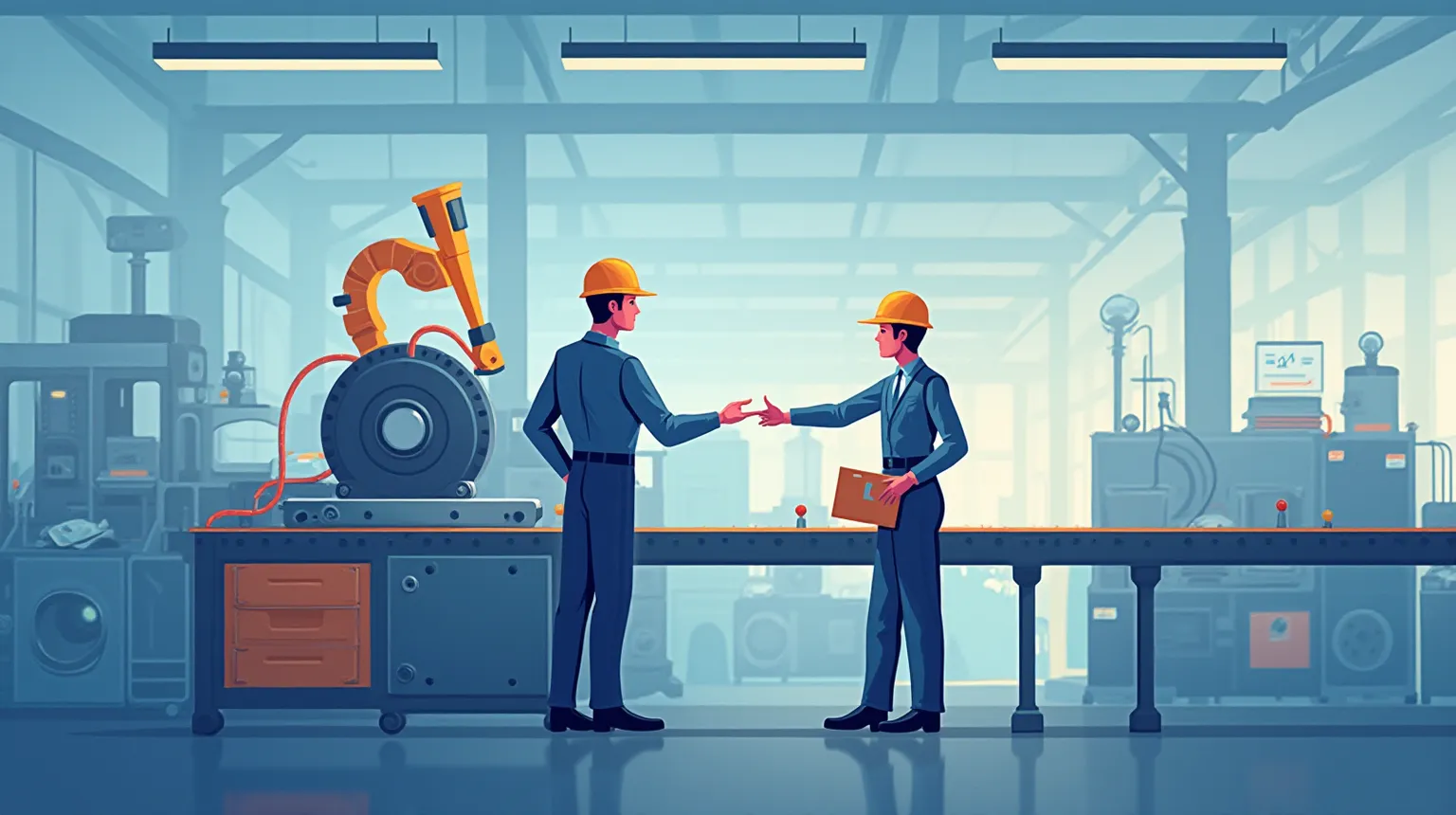
To move from a digital plan to a functional reality, we have to stop treating AI and Digital Twins as magic bullets. They are tools, like any other wrench or fixture on the floor. For them to work, they must be integrated into the physical flow of work. We need to bridge the gap by focusing on what is actually happening at the point of production.
Here are five steps to ensure your digital initiatives survive contact with reality:
1. Validate Your Inputs at the Source
Before you believe a "Digital Twin," you must trust the sensors. This means regular, documented calibration cycles for every piece of equipment feeding data into the system. If a sensor is covered in dust, oil, or vibration-induced noise, your digital twin is hallucinating. Treat your sensors like your gauges; if they aren't accurate on the floor, they won't be accurate in the cloud.
2. Define the "Manual Override" Boundary
Every automated system must have a clear protocol for when it fails or hits a physical limit. The software should not just say "Error." It should provide an actionable instruction: "Motor overheating; reduce speed by 10%" or "Part out of tolerance, initiate manual inspection." We need to design the digital twin with the understanding that human intervention is often necessary and expected.
3. Map the Physical Constraints
Don't just model what you want to happen; map what can happen. This means accounting for changeover times, material handling delays, and common machine failures into the software’s logic. If a process takes three minutes of manual labor between steps, that must be hard-coded as a reality in the digital twin, not ignored because it's "inefficient."
4. Close the Loop with Operator Feedback
The best way to find out if your digital model is failing is to ask the person standing next to the machine. Create a simple way for operators to flag when the system’s prediction doesn't match their reality. If they have to fight the software every day, you need a "Report Discrepancy" button that actually goes to someone who can adjust the model.
5. Prioritize Stability Over Complexity
It is better to have a simple digital twin that works perfectly than a complex AI system that only works most of the time. Start by digitizing one specific, high-pain problem—like tool life prediction or a specific bottleneck_and ensure it works flawlessly before trying to "digitally twin" the entire factory floor.
The Rule for Success: A digital twin is not successful when it looks good on your monitor; it is successful when an operator can use it to make their job easier, safer, and more predictable today. If you want a tool that works in reality, you have to build it with the grit of the floor in mind.
Download and Share This Issue
Call to Action
What operational risk is currently outpacing your digital planning? Share your thoughts with us at [email protected] and ask your peers to read this piece.
Newsletter replies and questions: [email protected]
Follow updates on X.com: @kaizen_6sigma
References
Smart Factories: Michael Schiebe Leads Mercedes-Benz