The Problem: Mistaking Prediction for Physical Proof
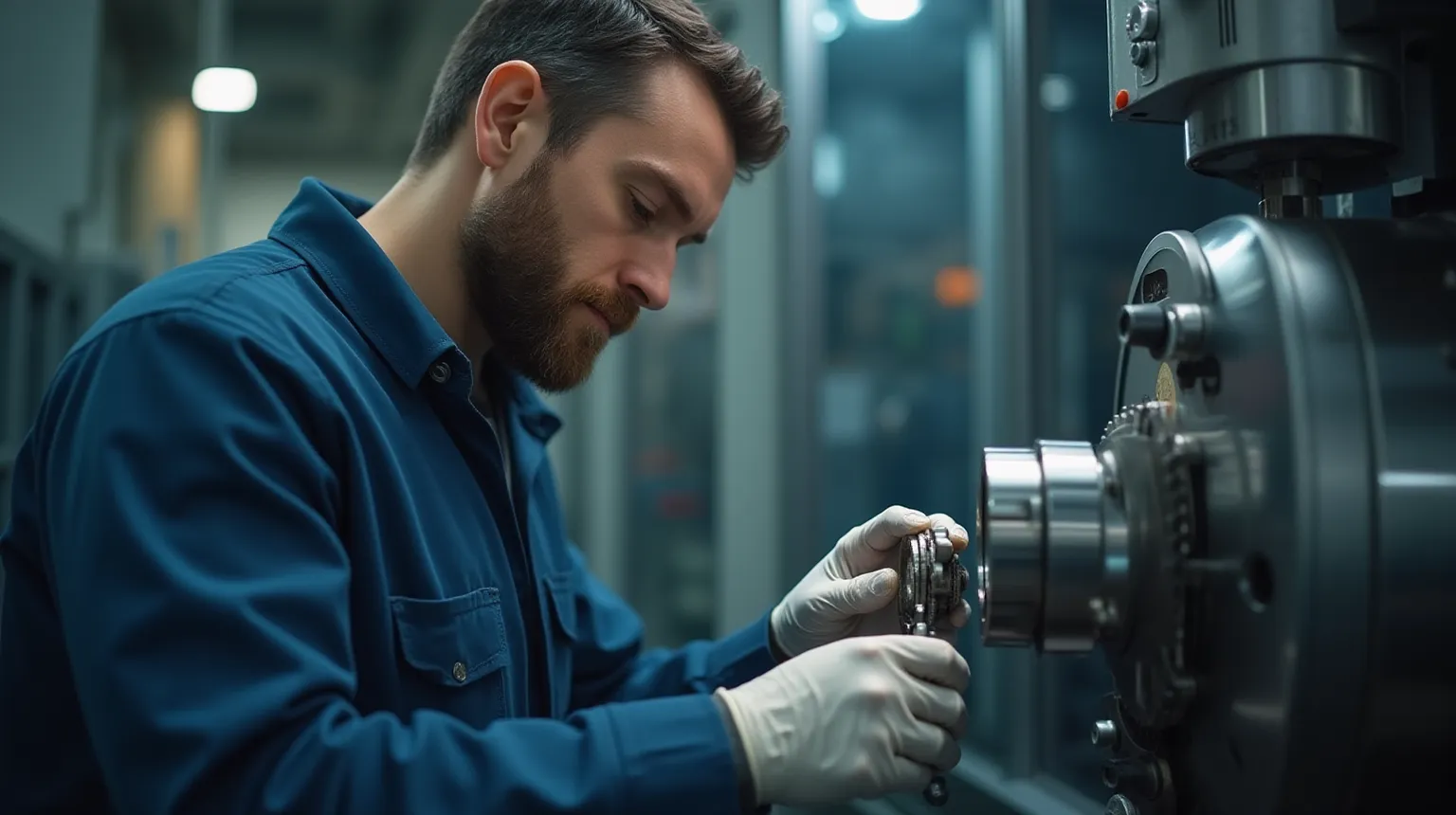
In the world of manufacturing and quality, there is a hard line between what a system predicts and what a process verifies. Right now, many organizations are blurring this line because they have introduced Artificial Intelligence into their workflows. They treat an AI’s output as if it were a final inspection stamp rather than a statistical probability.
An AI model doesn't "know" that a part is good; it calculates the probability that a piece of data matches its training set. When we take that output and feed it directly into our production flow without a secondary, physical verification step, we aren't automating quality—we are outsourcing our judgment to a black box.
A prediction is not proof. A 98% confidence interval from an algorithm is not the same thing as a calibrated torque wrench confirming a bolt is tight or a go/no-go gauge confirming a diameter is within tolerance. If we treat the AI's "green light" as the final word, we aren't building a robust system; we are just moving the point of failure further downstream where it becomes more expensive and dangerous to catch. We must stop treating AI outputs as finished products and start treating them as unverified work-in-process (WIP) that requires human oversight before it moves to the next station.
The Predictive Overlier Trap (And Why It's Not the Code’s Fault)
I call this failure The Oracle Fallacy.
It happens when a team becomes so enamored with the "magic" of an AI prediction that they stop looking at the physical reality of the part or the process. I once watched a facility implement an automated visual inspection system to identify surface defects on high-volume components. The model was incredibly accurate during the pilot phase. Because it worked so well, the team removed the manual spot checks for "common" flaws.
Then came the edge cases—scratches from a slightly misaligned conveyor belt that hadn't appeared in the training data. The AI didn't see them as defects; it saw them as something it wasn't programmed to recognize. Because there was no human-in-the-loop verification, those parts moved into assembly and were only caught three stages later when they failed a functional test.
The code didn't "fail." It did exactly what it was told: it provided a prediction based on the data it had. The failure was in the management of that prediction. By assuming the AI’s output was an absolute truth rather than a suggestion, the team removed the safety nets required for high-stakes manufacturing. We cannot allow the convenience of a fast answer to replace the discipline of a verified fact.
Why We Fall For This: The Comfort of Black Box Certainty
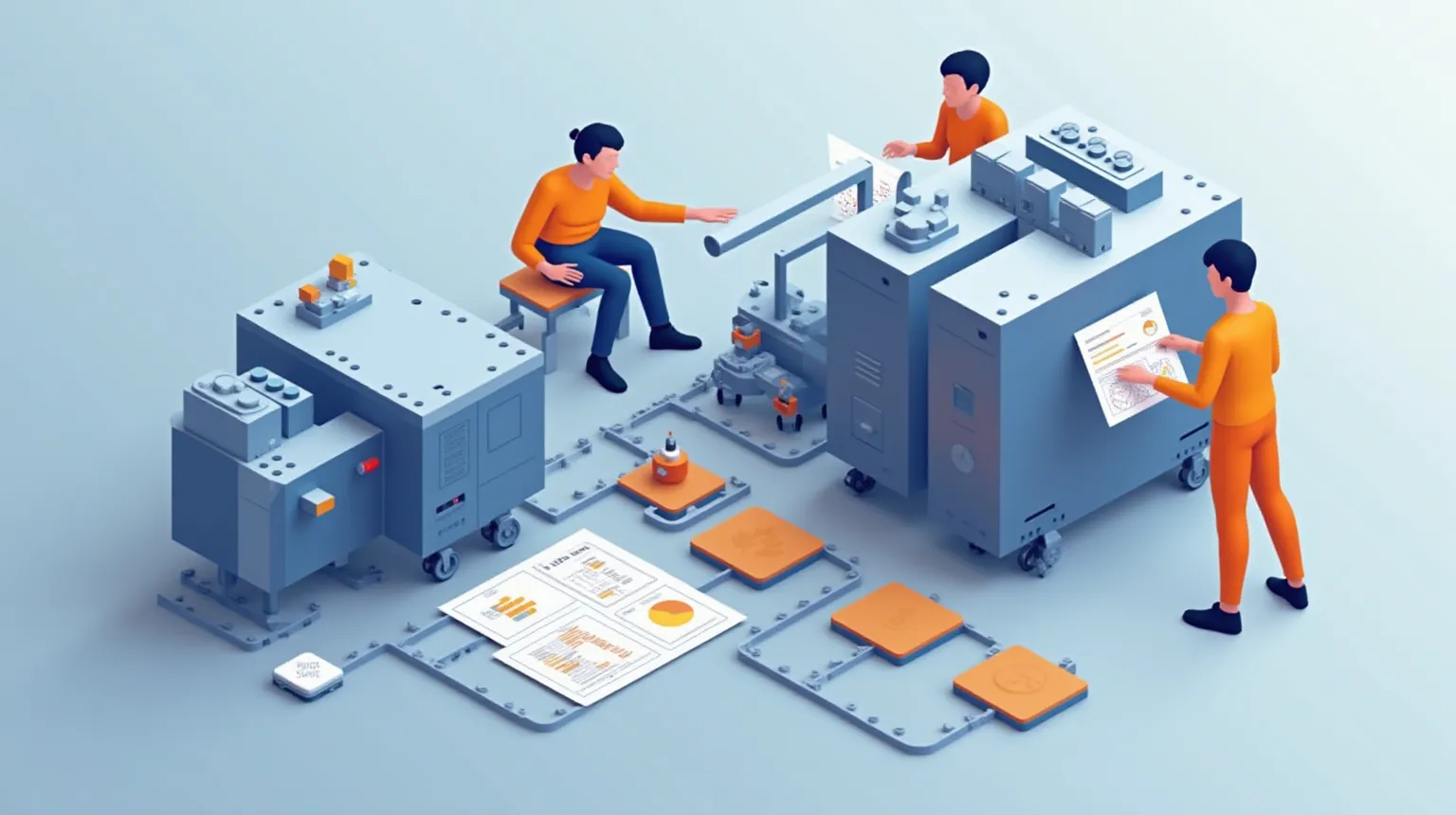
There are several reasons why leaders and engineers often fall into this trap. Usually, it isn't laziness; it’s the seductive nature of "speed" in an era where manual verification is seen as a bottleneck. It is easier to trust a complex algorithm than it is to train a human operator on a grueling, repetitive inspection task that they will eventually grow tired of doing accurately.
| The Comfort_of_Rationalization | The Underlying Reality |
|---|---|
| "The AI is faster and more consistent than a human." | A fast error is still an error; speed without verification creates high-volume waste. |
| "The model has 99% accuracy, so we don't need to double-check it." | The 1% of the time it fails is exactly when the most critical failures occur. |
| "We are 'innovating' by removing manual checkpoints." | We are removing safety gates and replacing them with a hope that the data stays clean. |
| "The system handles complexity better than we can." | The system only handles what it was taught; human oversight catches the "unknown unknowns." |
What Happens When Prediction Fails: The Cost of Automation Blindness
When we treat AI as an infallible gatekeeper, the costs don't disappear; they just migrate. If a prediction is wrong and no one is there to catch it, you face three specific types of waste:
- The Rework Loop: You find the error during final assembly or at the customer site. Now, instead of fixing a single part on the line, you are pulling apart finished products, re-processing them, and wasting labor hours that were already "spent."
- Quality Drift: Because no one is actively verifying the AI's output, small errors begin to accumulate in your inventory. You might have 500 units of a component that technically passed the "AI check" but are slowly drifting out of spec because the sensors feeding the AI are slightly off-calibration.
- Lost Traceability: When an automated system makes a mistake and no human intervention is logged, it becomes nearly impossible to perform a root cause analysis. You can't tell if the failure was due to bad raw materials, a mechanical slip, or a software glitch because there was no "hand-off" point where a person confirmed the work.
The Fix: Treating AI Output as Work-In-Process Assets (WIP)
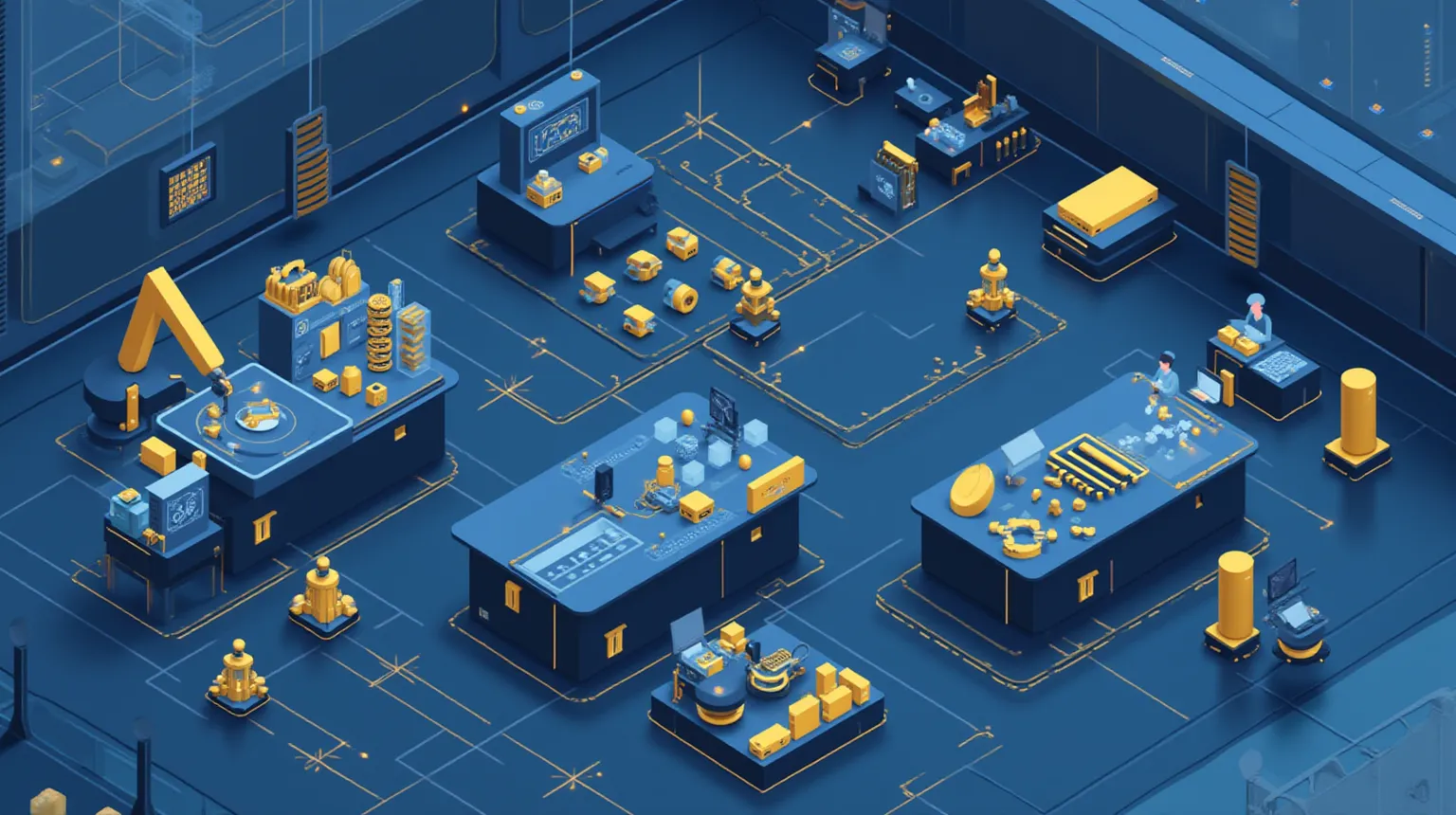
To fix this, we must change how we define the role of AI in our workflows. We do not treat an AI output as a finished good; we treat it as Work-in-Process. Just like raw material that hasn't been machined or a part that has been cast but not yet polished, AI data is "unfinished."
We must implement a three-step verification gate for every significant AI integration:
- The Input Audit: Before the AI even makes a prediction, we must verify the integrity of the sensors and data feeds. If the camera lens is dirty or the pressure gauge is drifting, the AI's output is garbage from the start.
- The Probability Threshold: Establish clear "Red Zones." Any AI output that falls within a certain range of uncertainty (e.g., 80-95% confidence) must trigger an automatic flag for human review before it can proceed to the next station.
- The Physical Cross-Check: For critical dimensions or safety-related components, a physical check—a manual measurement or a mechanical gauge—must be recorded in the system as a "hard" gate. The AI provides the speed; the human (or a secondary machine) provides the certainty.
Operationalizing Governance: Steps for Tomorrow's Gemba Walk
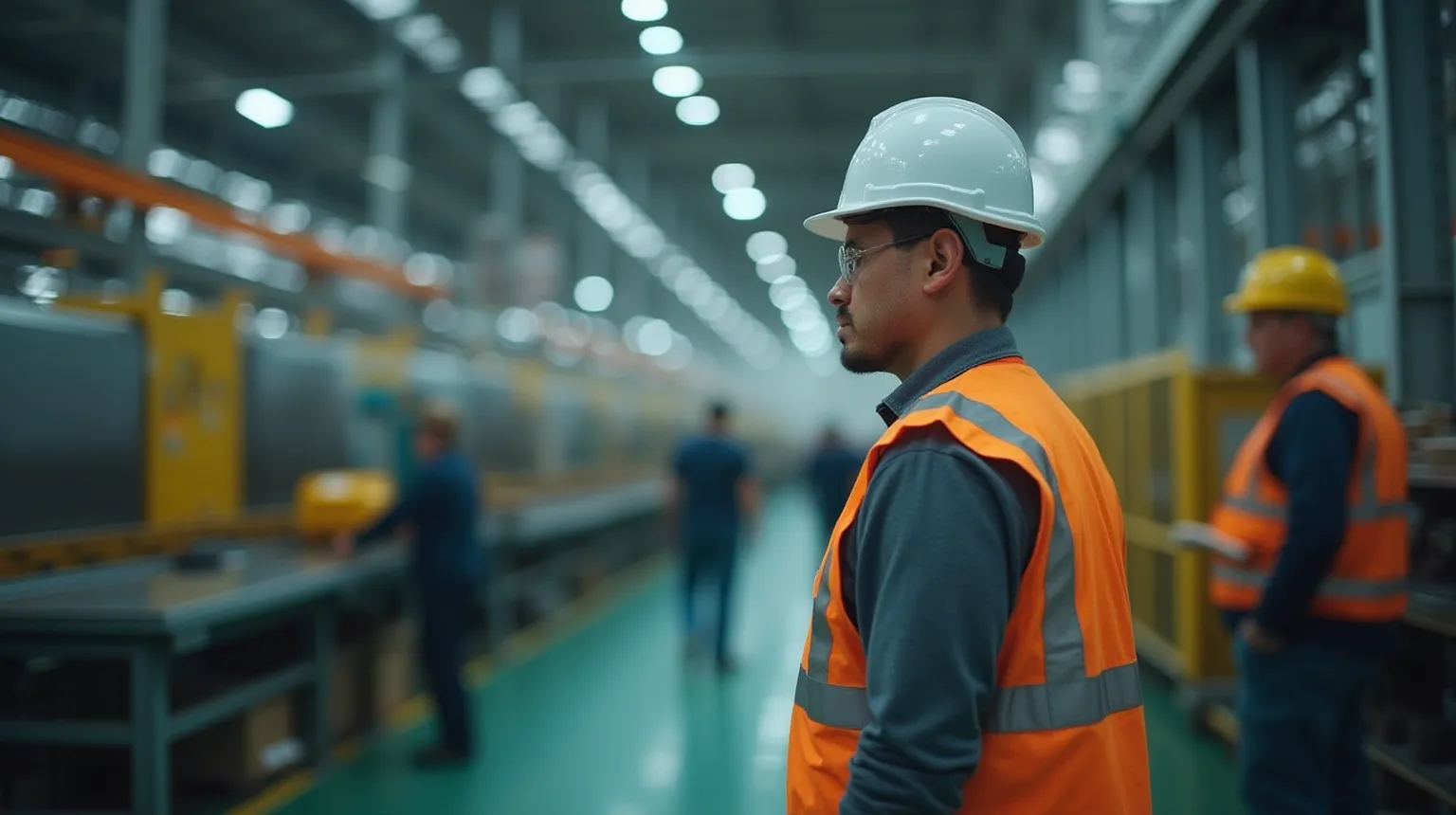
You don't need to overhaul your entire IT infrastructure tomorrow morning. You can start by identifying where you have currently accepted an automated prediction as a final truth and implementing these three actions on your next walk:
- Identify "Shadow Gates": Find the points in your process where an operator is relying solely on a screen or a sensor's "green light" without any secondary check. These are your highest-risk areas for drift.
- Define the Manual Override: Every automated station must have a physical way to halt the line and flag a part for manual inspection. If the AI says it’s good, but the operator feels something is wrong, they need an easy button to pull that part out of the flow immediately.
- Update Standard Work Sheets: Update your SOPs to reflect the distinction between "AI Recommended" and "Verified." Ensure that for critical steps, the signature on the record belongs to a person or a verified physical measurement tool, not just a software log.
Next Taboo: The Data Silo Myth
In our next installment, we will look at why "integrated data" is often used as an excuse for poor process design—and why your biggest problem isn't that your systems can't talk to each other, but that they aren't talking about the right things.
Download and Share This Issue
Next Issue Preview
Next, we tackle the taboo of 'The Data Silo Myth': how organizational structures prevent true continuous improvement and make us perpetually reactive.
Call to Action
When was the last time your team questioned an automated result based on first principles? Share this diagnosis with a colleague who is excited about AI but hasn't thought through the controls. ([email protected])
Newsletter replies and questions: [email protected]
Follow updates on X.com: @kaizen_6sigma
References
Quality Magazine: AI Doesn’t Need Trust. It Needs a Quality System.