The Illusion of Stable Assets: What's Really Happening
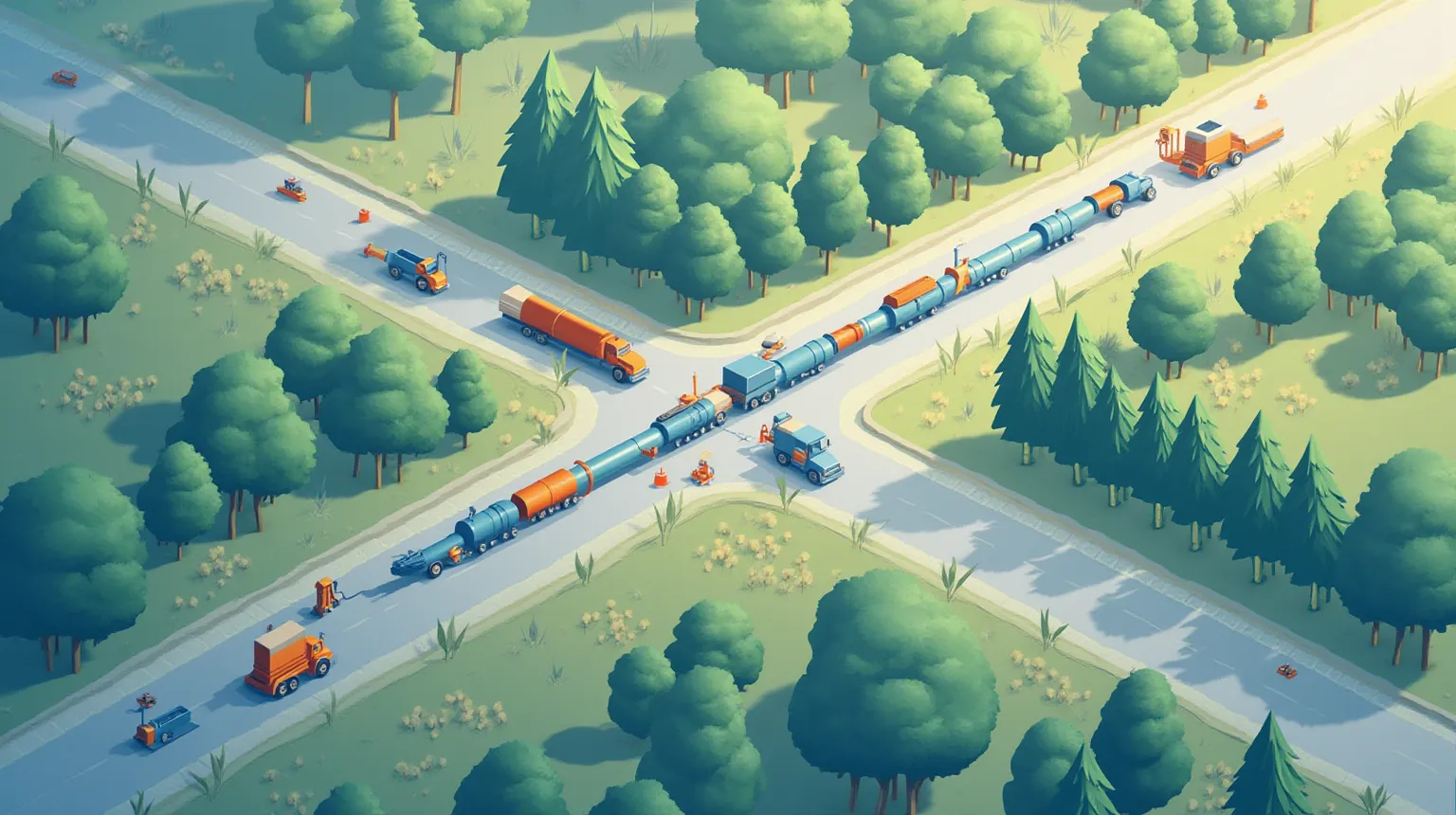
In the world of heavy infrastructure, there is a dangerous habit of equating "existing" with "stable." We see this often in energy projects—the belief that because a pipeline was built twenty years ago and moved gas reliably for two decades, it remains a stable asset. This mindset is what I call The Infrastructure Inertia.
It’s the assumption that physical infrastructure exists in a vacuum of geography and physics, untouched by the shifting winds of policy or international conflict. It isn't. When we treat an LNG terminal or a cross-border pipeline as a static piece of "fixed" equipment rather than a dynamic node in a volatile network, we aren't being realistic; we are just ignoring the variables that eventually cause the system to fail.
I’ve seen this play out on the floor: teams who assume that because they have the permits today, they have the right to operate tomorrow. They treat "compliance" as a one-time hurdle rather than an ongoing operational requirement. In reality, when geopolitical tensions spike or trade routes are throtted by new regulations, those "stable" assets suddenly become choke points. A pipe isn't just a piece of steel; it is a logistical lifeline. If you aren't accounting for the fact that the very ground your infrastructure sits on—and the laws governing its movement—is constantly shifting, you aren’t managing an asset; you’re managing a liability waiting for a trigger.
Why We Keep Underestimating The Gap
The reason many leaders fall into this trap is not due to incompetence, but because of The Continuity Trap. It feels safer to rely on historical data than to plan for "what if" scenarios that seem unlikely today. Leaders often treat regulatory compliance as a checkbox—a hurdle cleared during the construction phase—rather than an active part of the daily operational strategy.
We see this gap clearly when we compare how leadership perceives risk versus what is actually happening in the field:
| The Comforting Rationalization | The Operational Reality |
|---|---|
| "The permit was granted; we are compliant." | Compliance is a moving target influenced by shifting local and international laws. |
| "This route has been used for years without issue." | Historical stability does not guarantee future access in a volatile geopolitical climate. |
| "Regulatory hurdles are an 'office' problem." | Regulatory delays on the ground stop flow, halt production, and kill revenue immediately. |
| "We have enough capacity to meet demand." | Capacity is only useful if the supply chain leading to it remains physically and legally open. |
By treating these as administrative nuances rather than core operational risks, we create a gap between our plans and our ability to actually deliver. We mistake the absence of a current problem for the presence of a permanent solution.
The True Cost of Operational Blindness

When you ignore the geopolitical "why" behind your supply chain, you don't just face an abstract risk; you face concrete, physical failures on the line. When a pipeline is rerouted due to sudden political instability or a port is closed by new regulatory hurdles, the costs aren't just reflected in a quarterly report—they are felt in the silence of an idle turbine and the frantic calls from customers who can’t get their energy.
The cost of this blindness manifests in three primary ways:
- Stranded Assets: Capital expenditures that cannot be utilized because they sit behind a geopolitical "no-go" zone or a newly restricted trade corridor.
- Emergency Rerouting Premiums: The massive, unbudgeted costs incurred when you are forced to find "Plan B" routes on short notice because your primary path was suddenly blocked by regional conflict or regulatory shifts.
- The Inventory Gap: When supply lines become unpredictable, the cost of maintaining higher safety stocks and redundant logistics chains eats into the margins that were supposed to come from high-efficiency operations.
These aren't "potential" costs; they are the inevitable tax on a strategy that chooses comfort over realism. If you don’t build for resilience now, you will pay for it in emergency fees later.
Five Pillars for Building Resilient Energy Governance
To move from reactive firefighting to proactive management, we must integrate geopolitical risk into the very fabric of our operational planning. We need to treat "risk" as a technical specification, much like pressure ratings or flow rates. Here are the five pillars:
- Dynamic Mapping: Don't just map your physical assets; map the political and regulatory dependencies of every node in your supply chain. If a valve depends on a specific trade agreement, that agreement is part of its "operating manual."
- Buffer Integration: Build intentional slack into your logistics. This isn't waste; it’s an operational hedge against sudden rerouting requirements or transit delays caused by local unrest.
- Scenario Stress-Testing: Conduct regular "what if" drills for the operation team. If a primary port closes tomorrow, what is the immediate manual override? Who makes the call to divert flow?
- Regulatory Horizon Scanning: Move your regulatory team from the back office to the front line of planning. They should be identifying upcoming legislative shifts as soon as they appear on the horizon, not when they hit the news cycle.
- Diversified Routing Strategy: Invest in multi-path infrastructure. A single point of failure—whether it’s a physical pipe or a singular political corridor—is an unacceptable risk to long-term continuity.
Actionable Steps for the Next 90 Days
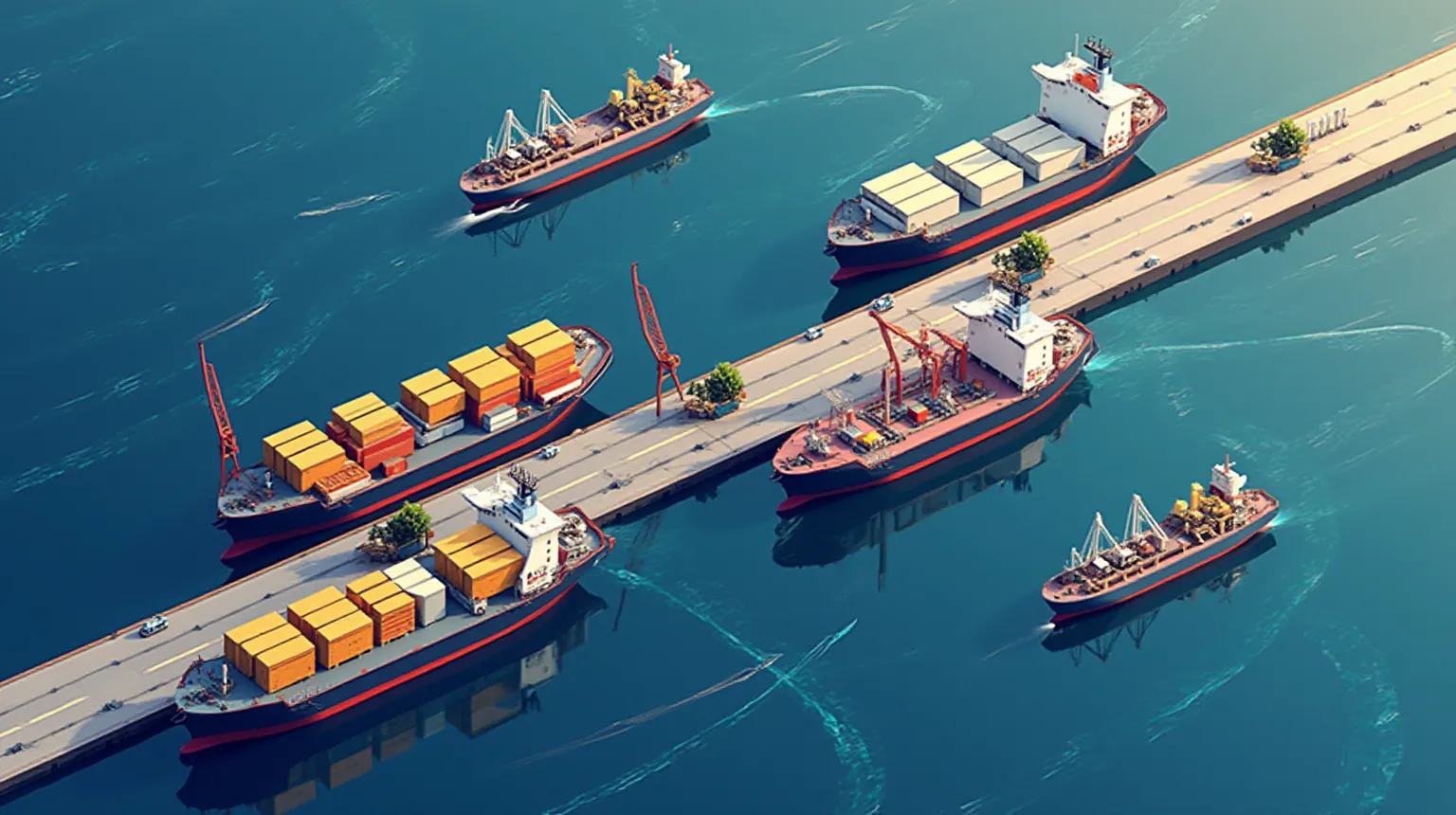
You don't need a year-long study to start addressing these risks. You can begin making changes on your next site visit and in your upcoming leadership meetings:
In the next 30 days:
- Identify the "Single Point of Failure" (SPOF) in your current supply chain—not just physical equipment, but any point where a single political or regulatory decision could halt production.
- Audit your existing contracts for "Force Majeure" clauses related to geopolitical shifts and ensure they are specific enough to provide actual protection during an event.
In the next 60 days:
- Establish a "Risk Dashboard" for project managers that includes current regional stability scores and regulatory status updates, not just standard maintenance alerts.
- Conduct a tabletop exercise with your logistics team: Pick one primary corridor and simulate its total closure. Document the time it takes to identify an alternative and the cost of that transition.
In the next 90 days:
- Update your Capital Expenditure (CapEx) review process to include a "Resilience Score" for all new infrastructure projects. Does this asset have a viable secondary path if its primary route is compromised?
- Formalize an escalation protocol specifically for geopolitical disruptions, ensuring that decisions on rerouting or sourcing are made in minutes, not days.
Download and Share This Issue
Call to Action
What operational blind spots in your current network plan are being exposed by global instability? Share your thoughts with us, or send a quick note to [email protected]
Newsletter replies and questions: [email protected]
Follow updates on X.com: @kaizen_6sigma
References
Ok Energy Today: Iran’s continued attacks on tankers (2026)