
Issue Summary: The Difference Between Money and Material
When a major investment announcement hits the news—billions of dollars in state funding or massive private capital injections into local manufacturing—the headlines are designed for politicians, investors, and reporters. They speak the language of "economic impact" and "job creation." But on the shop floor, these numbers don't mean much to an operator trying to hit a cycle time target or an engineer troubleshooting a recurring defect in a high-speed assembly line.
The core problem is that capital investment is not synonymous with operational improvement. You can pour millions of dollars into a facility and still have a broken process. A press release about "revitalizing the industry" doesn't fix a poorly maintained jig, it doesn’t clarify a confusing work instruction, and it doesn’t provide the discipline required to maintain standard work over three shifts. This issue explores how to strip away the macro-economic noise of these large investments and identify where the actual material improvements—the ones that reduce scrap and stabilize production—are truly hiding.
The $49 Billion Trap: Reading Economic Impact Statements Like a Black Belt
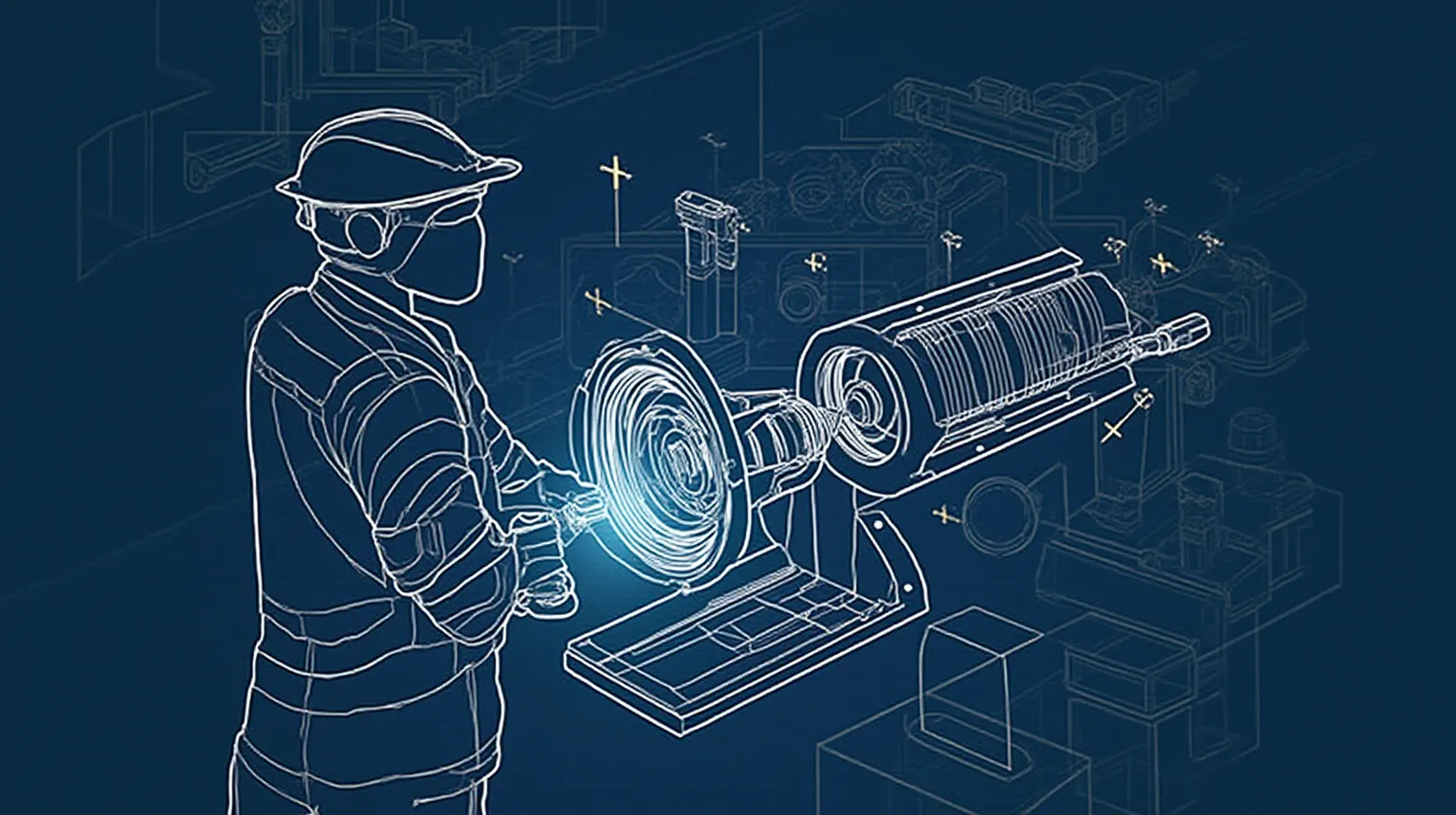
When we see headlines about massive figures, like the recent $49 billion investment packages for regional manufacturing, it is easy to fall into what I call Projection Over Process. This is the trap of believing that because a large amount of capital is entering the system, the underlying processes will automatically become more robust. They won't.
A large investment often funds the "shell" of an operation: new buildings, larger parking lots, and upgraded logistics hubs. While these are necessary for growth, they do nothing to solve the core issues of manufacturing quality. A high-tech machine is still a liability if it isn’t paired with a rigorous control plan; a massive warehouse is just a place where disorganized inventory can hide more easily.
We must distinguish between "The Promise" and "The Practice." The promise is a press release about economic growth. The practice is the ability to perform a precision tool change in under sixty seconds without drifting out of tolerance. When we see these big numbers, our job as leaders is to ignore the scale of the investment and focus on the granularity of the execution. If the capital doesn't flow directly into training programs, machine calibration standards, or documented standard work, it’s just a larger number on a spreadsheet that won't stop an operator from taking a shortcut when they are tired at 3:00 AM.
Where Does the Real Work Go? Deconstructing Supply Chain Growth
When these large investments land, the "work" usually flows into three distinct areas. Understanding which area is being funded helps you determine where your actual leverage lies as an operations leader. Most of the initial capital goes toward infrastructure and logistics—the things that move product from A to B. Only a fraction typically reaches the core manufacturing improvements that define long-term quality.
| Area of Investment | The Common Rationalization (Hype) | The Operational Reality (The Work) |
|---|---|---|
| Infrastructure & Construction | "We are building the future of industry." | Building shells, laying pipe, and pouring concrete for larger footprints. |
| Logistics & Supply Chain | "Local economies will see a boom." | Expanding warehouse capacity and optimizing freight routes to move more volume. |
| Core Manufacturing Excellence | "Advanced manufacturing technology is arriving." | Updating standard work, refining TPM (Total Productive Maintenance) cycles, and improving first-pass yield. |
If the investment announcement focuses on "infrastructure," your role remains focused on the machine's behavior today. If it mentions "technology upgrades," you must prepare for a massive spike in training requirements. You cannot assume that because a new piece of equipment is coming, the operators will automatically know how to run it at peak capability. Every new tool requires a corresponding update to the maintenance log and a fresh round of skill-gap analysis.
The Three Filters: Separating Hype from Hardened Capability

To stay grounded when these large numbers are announced, use three filters to determine if an investment will actually impact your team’s daily work. If it doesn't pass these filters, treat the news as a "macro" event and keep your focus on your current KPIs.
1. The Repeatability Filter
Does this investment provide something that can be taught to every shift? A new building is easy for everyone to see, but only true capability—like a simplified assembly step or an automated inspection gate—can be repeated consistently by ten different people. If the "improvement" requires a hero's effort from one specific technician to keep it running, it isn’t a process improvement; it’s just more equipment.
2. The Documentation Filter
Will this investment result in updated work instructions? Any new capital spent on tools or machinery must be accompanied by an update to the training manual and the standard operating procedures (SOPs). If the "innovation" is just a piece of software that hasn't been integrated into the daily check-sheet, it will eventually drift back toward the old way.
3. The Maintenance Filter
Does this investment include a plan for long-term upkeep? A new machine with no spare parts inventory or no scheduled calibration cycle is just an older problem in a newer box. For an improvement to be "hardened," it must have a clear path of maintenance and a designated owner who is responsible for the tool's performance 365 days a year.
Operationalizing the Investment Promise: A Checklist for Plant Leaders
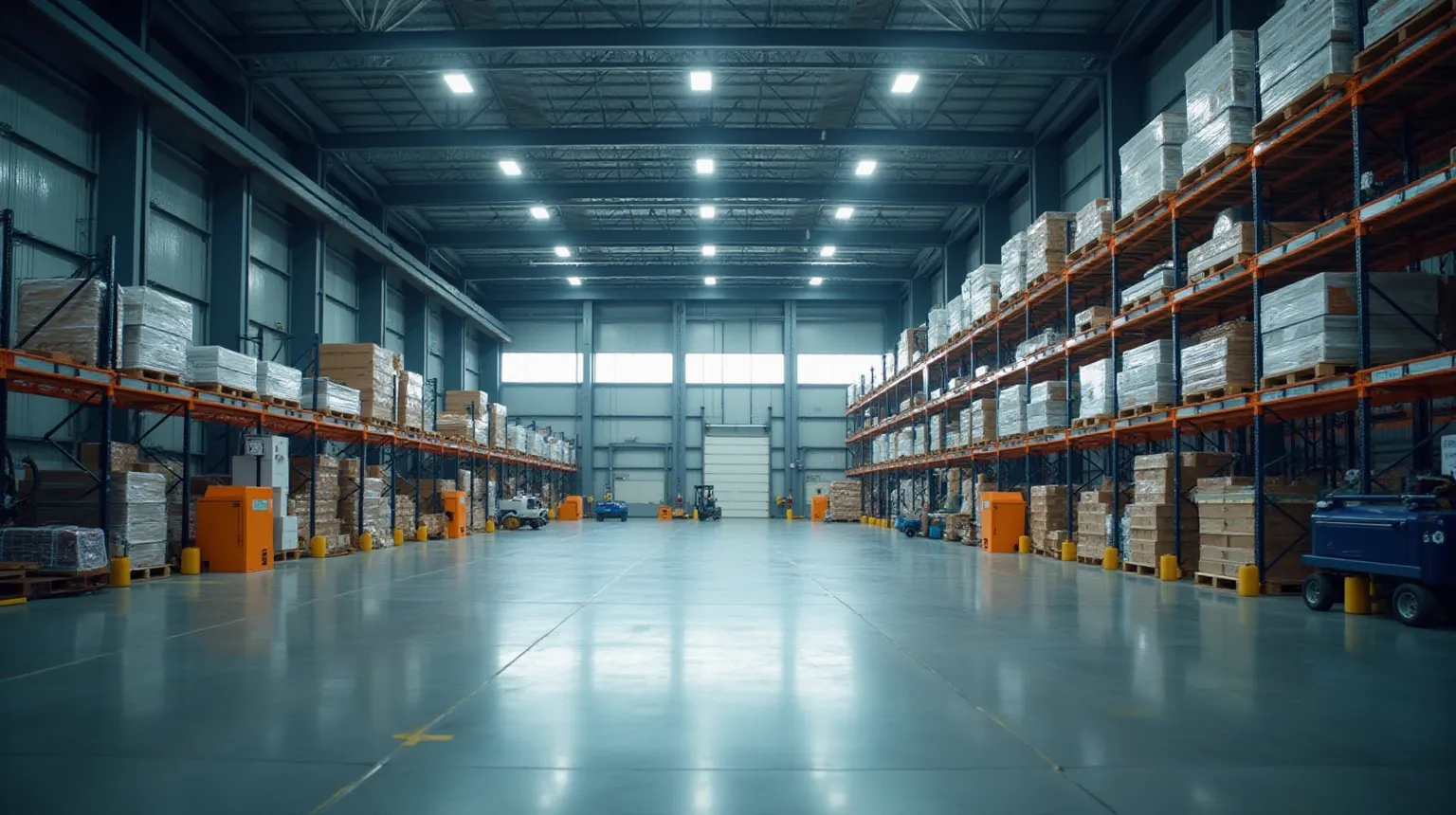
When you hear that your region or sector is receiving a major capital injection, don’t wait for the press release to reach your shop floor before you start preparing. Use this checklist to ensure that when the "new" arrives, your team is ready to actually use it to improve quality and throughput.
- Audit Current Training Logs: Identify where current staff will need upskilling as new technology or processes are integrated. Don't wait for a gap in production to find out someone doesn't know how to operate the new station.
- Review Spare Parts Inventory: New equipment requires updated parts lists and local availability. Ensure that "just-in-time" doesn't become "not here when it breaks."
- Update Standard Work Sheets: For every piece of new machinery or changed process, create a simplified, visual work instruction at the point of use. If an operator has to leave their station to find out how to do something, your process is failing.
- Establish Calibration Cycles: Ensure that any newly installed sensors or tools have a clear, documented cadence for calibration and verification in the daily startup routine.
- Define Escalation Limits: When the new equipment inevitably behaves unexpectedly, does the operator know exactly when to stop the line and who to call? Define these limits clearly before the machine is even bolted down.
The Next Time a Big Number is Announced

The next time you see a headline about billions of dollars in manufacturing investment, remember that your success isn't tied to the size of the check; it’s tied to the stability of the process. A large number is often just "noise" for people outside your building. For those of us on the floor, the only numbers that matter are the ones we can control: our scrap rates, our cycle times, and our safety incidents.
Stay focused on what you can point at. If a new investment means a better tool, make sure it’s a tool with a clear manual and a maintenance plan. If it means more volume, ensure your standard work is robust enough to handle the load without breaking. Don't let the excitement of "big numbers" distract you from the discipline required to run a high-quality operation today. The best way to welcome new capital is to have an organized, disciplined house ready to receive it.
Download and Share This Issue
Call to Action
What is your plant doing this quarter to validate these macro-economic predictions? Share your thoughts on how 'macro' becomes 'micro.'
Newsletter replies and questions: [email protected]
Follow updates on X.com: @kaizen_6sigma
References
Study projects $49 billion economic impact from proposed Inola aluminum plant