
Issue Summary
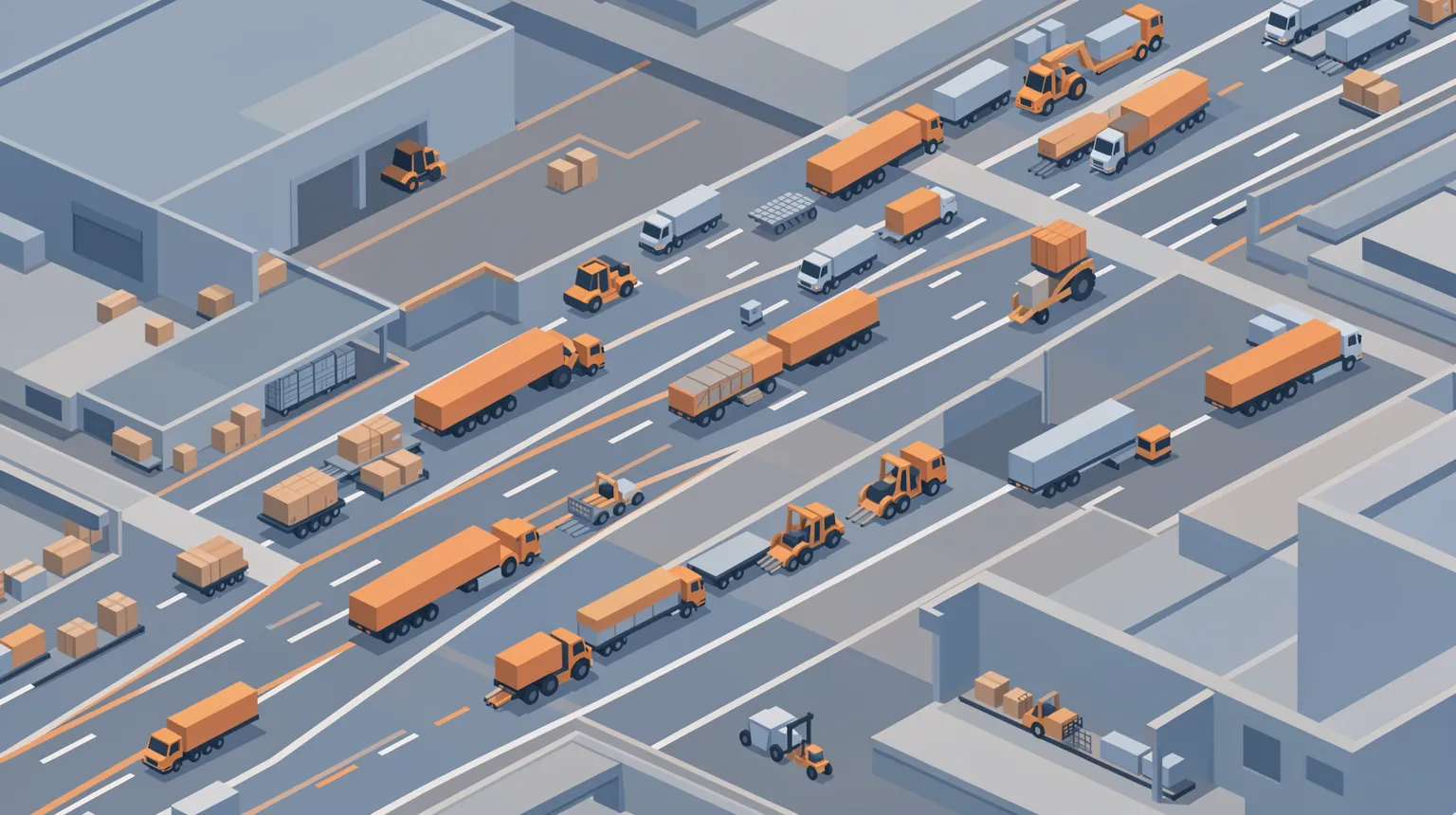
The gap between a corporate sustainability goal and a functioning yard floor is often wider than most leaders care to admit. We see it constantly: an organization announces a bold commitment to decarbonize their heavy-duty trucking fleet, secures the funding for hydrogen vehicles, and celebrates the "win" in a press release. But then comes the reality of Tuesday morning at 4:00 AM when the first truck arrives at a fueling station that hasn't been permitted, doesn't have enough grid capacity to handle peak demand, or lacks a maintenance team that knows how to handle high-pressure gas systems.
The core problem isn't the technology; it’s the governance of the infrastructure required to support that technology. Buying a hydrogen truck is a procurement task—it's a one-time transaction. Running an electrified fleet is an operational system—it requires new supply chain partners, updated safety protocols, and a complete overhaul of how energy moves through your yard. This issue diagnoses why most decarbonization efforts stall at the "purchase" phase and provides a framework for moving from buying hardware to managing an integrated energy loop.
The Infrastructure Readiness Gap: Why Tech Specs Mean Nothing on Day One
I have watched this play out in several industrial settings, and it always follows the same pattern. A company spends millions on a pilot program because the "tech specs" look perfect on a slide deck. They order the trucks, they sign the contracts, and they move into the implementation phase with high hopes. Then, three months later, the project hits a brick wall that has nothing to do with the engines or the fuel cells. It's usually something mundane but critical: a local municipality refuses to issue a permit for high-pressure storage because of zoning laws; the local utility provider says the grid can’t handle the localized load without a three-year upgrade; or the site's safety team realizes they don't have the sensors required to monitor hydrogen leaks in a confined space.
We call this The Procurement Mirage. It is the belief that purchasing an asset is synonymous with deploying a capability. In reality, a truck sitting in a yard because it can’t be fueled isn't a "green fleet"—it's a stranded asset. When we look at these projects fail, it’s rarely because the hydrogen didn't work; it's because the infrastructure surrounding the fuel was treated as an afterthought rather than the primary constraint. You cannot move from diesel to hydrogen by simply swapping the tank. You have to rebuild the entire support ecosystem around that tank before the first truck ever leaves the lot.
It’s Not About Buying Trucks; It’s About Running Energy Loops
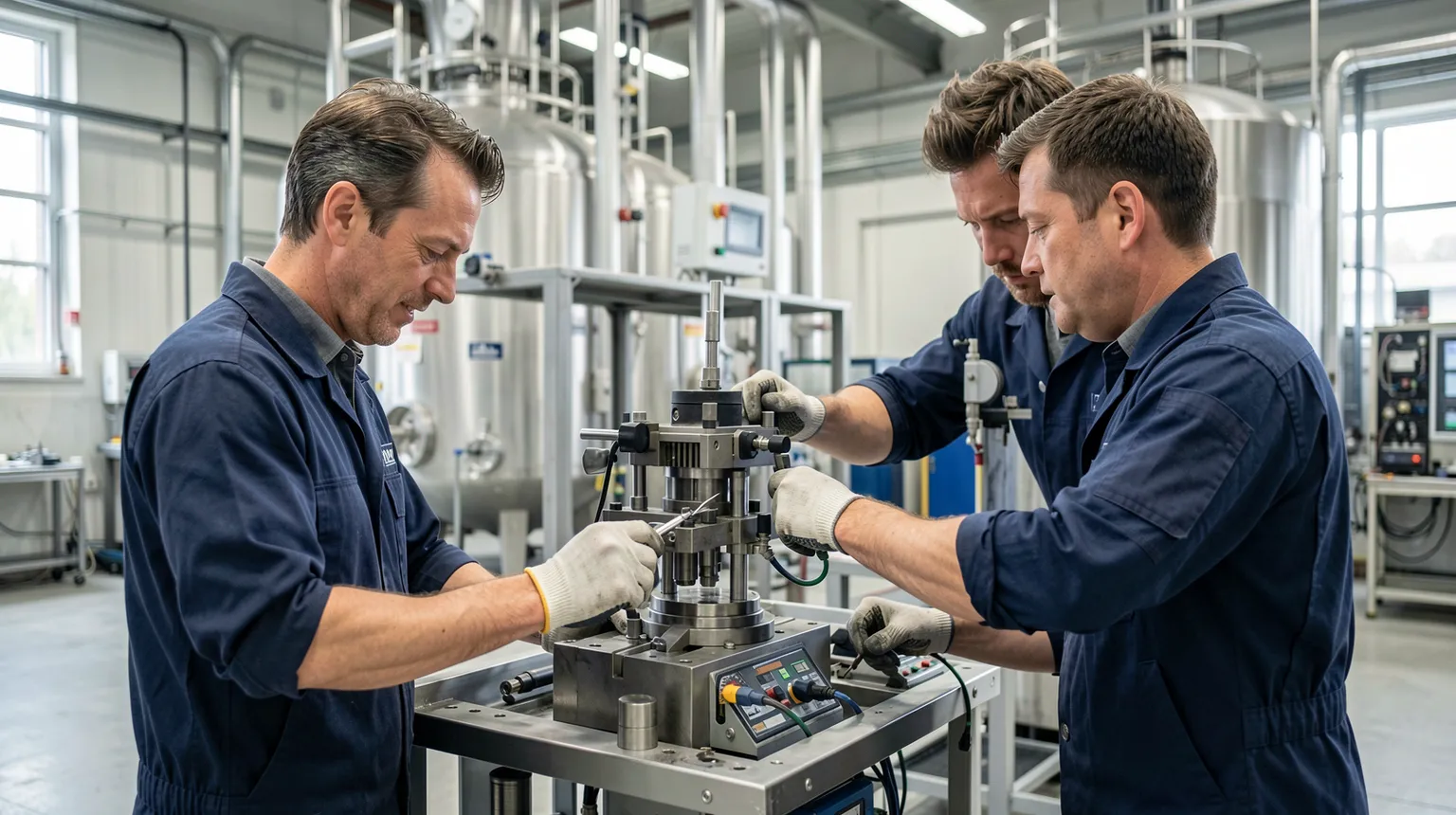
The reason these projects fail so consistently is a matter of how leadership categorizes the work. Most executives view decarbonization as a CAPEX problem—a line item to be approved and spent. They think, "If we buy X trucks, we have achieved Y goal." This is a comfortable rationalization that ignores the operational reality. To make this work on the floor, you aren't just buying hardware; you are managing an energy loop.
When you shift from liquid fuel to hydrogen or high-capacity electric, your supply chain changes fundamentally. You move from a "refuel and go" model to a complex logistical dance involving gas purity standards, pressure management, grid demand spikes, and specialized technician training. If the person responsible for the yard hasn't been given the authority (or the budget) to manage these new variables, the system will drift back to old habits or simply stop moving altogether.
| The Comfortable Rationalization | The Underlying Reality |
|---|---|
| "We just need to buy the right vehicles." | We need a completely new logistics operating system for energy flow. |
| "The technology is ready for use." | The local infrastructure and permitting are 18 months behind the vehicle's arrival. |
| "It’s an environmental initiative." | It is a fundamental shift in maintenance, safety protocols, and power distribution. |
| "We can train people on the fly." | Operators need specialized certifications for high-pressure gas that take months to secure. |
The Hidden Cost of Premature Deployment (Or Non-Deployment)
When we ignore the infrastructure gap and push for deployment before the yard is ready, the costs aren't just reflected in a "failed" project report. They manifest as concrete operational failures that degrade your ability to do work today. If you rush into this without an integrated governance plan, you face three primary risks:
- Stranded Assets & Dead Capital: A $500,000 truck that cannot be fueled is not a tool; it's a lawn ornament. It ties up capital and occupies valuable yard space while producing zero value for the organization.
- Operational Downtime: If your fleet relies on hydrogen but your fueling station experiences frequent "out of service" periods due to grid instability or pressure failures, your delivery schedule collapses. You lose the reliability that is the backbone of your reputation.
- Regulatory and Safety Exposure: Hydrogen isn't a joke. Mismanaging high-pressure systems without proper governance leads to safety incidents. One preventable leak or fire doesn't just stop a truck; it can shut down an entire facility for months while investigators pull permits and audit your protocols.
Operationalizing Clean Energy: The Five Pillars of Infrastructure Governance

To move past the "Procurement Mirage," you have to treat hydrogen infrastructure as a core operational system, not a peripheral project. This requires five pillars of governance that must be established before the first truck is delivered. These are the rules that ensure the fleet actually moves on Day Two and Year Three:
- Power & Grid Integration Management: You must secure a firm commitment from utility providers regarding peak load capacity. This isn't a "maybe" in a contract; it’s a verified engineering study of your specific site's ability to pull power without tripping local breakers.
- Permitting and Zoning Continuity: Establish a dedicated team—or partner with one—to handle the long-lead municipal hurdles for high-pressure storage and fueling stations. If the permit isn't in hand, the truck shouldn't be on the order form.
- Specialized Maintenance & Training Protocols: You cannot use your standard diesel mechanics to service a hydrogen fleet. You need a dedicated training program that covers gas pressure systems, fuel cell diagnostics, and specialized safety protocols for technicians who will be working near high-pressure lines every day.
- Supply Chain Purity Standards: Hydrogen quality matters. You need a governance framework that audits the purity of the fuel coming into your yard to ensure it doesn't degrade the truck’s engines or fuel cells prematurely. This is just like checking oil specs, but at a molecular level.
- Dynamic Risk Modeling: Create a "reaction plan" for when things go wrong—when a pump fails, when a pressure valve sticks, or when grid prices spike. You need pre-defined escalation limits and workarounds so the yard doesn't grind to a halt during a minor component failure.
Making it Work Tomorrow: Three Immediate Operational Checks
If you are currently planning a move toward hydrogen or heavy-duty electrification, don't wait for the next quarterly review to start these checks. You can begin auditing your readiness this week. These three steps will tell you exactly where the gap lies between your theory and the yard floor reality.
1. Audit Local Grid Capacity
Walk the line with your facility manager and a representative from your utility provider. Don't ask "Can we get power?" Ask for a specific load profile analysis of what happens when four hydrogen trucks are fueling simultaneously during peak demand hours. If they can’t give you a firm answer on capacity, your project is currently in the Procurement Mirage.
2. Map the "Last Mile" Maintenance Path
Identify every component that requires specialized service (fuel cells, high-pressure pumps, cooling systems). Contact three vendors and ask for their current lead times for parts and technician availability at your specific geographic location. If you don't have a verified path to get these parts and people to your yard, your fleet will eventually become a collection of stranded assets.
3. Establish a High-Pressure Safety Audit
Review your current site safety plan. Does it account for high-pressure gas storage? If not, start the process today. It is much easier (and cheaper) to integrate these requirements into your existing safety culture now than it is to scramble and "bolt them on" when an inspector shows up at a newly built fueling station.
Download and Share This Issue
Call to Action
What is the single largest non-technical hurdle your organization faces right now? Share your challenge with a colleague who needs an honest diagnosis, or email us at [email protected]
Newsletter replies and questions: [email protected]
Follow updates on X.com: @kaizen6sigma
References
The SCX Change: Toyota installs mobile hydrogen fueling devices...; Industry reports on clean logistics infrastructure deployment.