Issue Summary
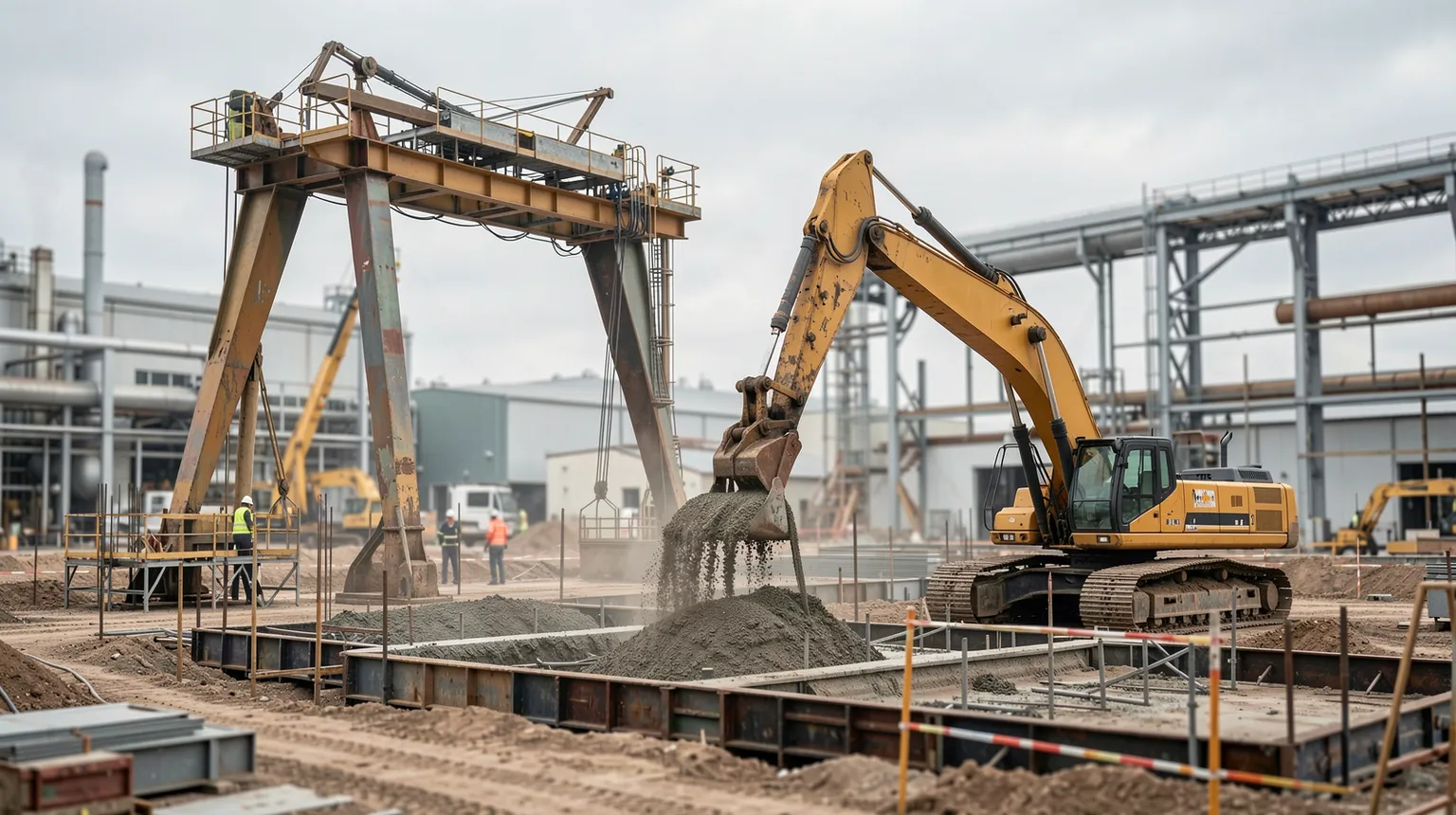
We are currently facing an infrastructure crisis that is rarely blamed on the lack of funding or materials, but rather on the way we organize the work itself. For years, our default mode for large-scale capital expenditure (CapEx) projects has been sequential planning: first design it perfectly in a vacuum, then hand those specs to someone else to build, and hope that the reality of the site matches the assumptions made three years prior.
This "Plan-then-Build" model is failing at scale. It creates massive operational bottlenecks where project momentum dies every time a document changes hands. The thesis here is simple but difficult for many leaders to accept: we cannot solve today's infrastructure demands with yesterday’s procurement silos. To build the future, we must shift toward integrated delivery models—specifically Design-Build and Consortium frameworks—where ownership of the "how" and the "what" are unified from day one. We need to stop managing a sequence of handoffs and start managing an integrated flow of execution.
The Sequential Stall
In my years on the floor, I’ve seen projects die in folders long before they ever saw a shovel hit the dirt. This is what I call The Sequential Stall. It happens when an organization treats project phases as separate buckets rather than a continuous flow. You finish "Phase A" (Design), you sign off on a massive pile of paper, and then—and only then—do you tell the construction team to start.
By the time the builder receives those specs, three things have usually happened: the site conditions have changed, the original design assumptions have drifted, and the people who know how to build it weren't in the room when the plan was being "finalized." The result is a project that is perpetually stuck in a loop of change orders. You aren't building; you are just reacting to the mistakes made during the planning phase because those two phases were never allowed to talk to each other.
The Sequential Stall isn't caused by incompetent people. It’s caused by a process that rewards "completing" a task (the plan) over achieving an outcome (the infrastructure). When we prioritize finishing the paperwork over starting the integrated work, we create a bottleneck where the builder is constantly forced to compensate for a design they had no part in creating. This isn't just a delay; it’s a fundamental failure of operational integration.
Why we still prefer the comfort of paper over the reality of construction
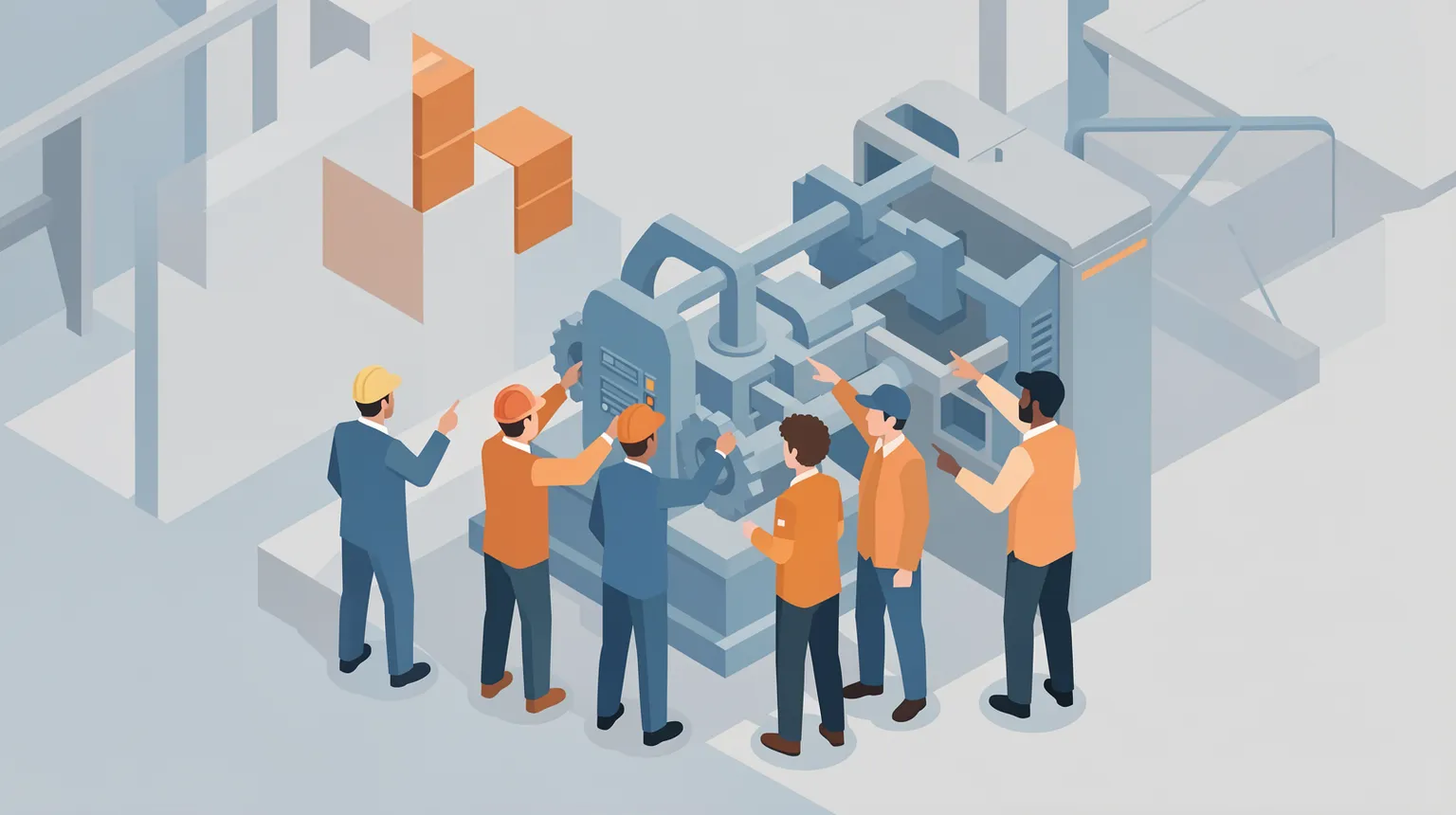
Why does this persist? Because sequential planning feels safe. It provides a clear audit trail and a sense of progress that can be reported to stakeholders every month. If you finish a "Design Phase," you can put it on a spreadsheet and call it a win.
But there is a difference between moving a needle on a slide deck and moving dirt on a job site. Many organizations choose the former because it shields them from the messy, unpredictable reality of construction where problems are solved in real-time, not in scheduled meetings months later. We prefer the "Plan" because if the project fails, we can blame the plan—but when we use integrated models, the success or failure belongs to us as a collective unit.
| The Comfortable Rationalization | The Operational Reality |
|---|---|
| "We need a finalized design before any work can begin." | We are creating an inflexible blueprint that cannot adapt to real-world site constraints discovered during construction. |
| "Separating the designers from the builders ensures objective oversight." | We are ensuring that the people building the asset have no skin in the game regarding its feasibility or cost. |
| "Sequential phases provide clear milestones for funding and reporting." | We are creating artificial checkpoints that prioritize administrative completion over physical progress. |
| "Change orders are just a natural part of the process." | Change orders are the tax we pay for failing to integrate design and execution at the start. |
The true cost of waiting: When bottlenecks become national risks
We have to be honest about what this costs. This isn't just an internal efficiency problem; it is becoming a risk to our collective infrastructure. When planning paralysis stalls a project, the consequences aren't confined to a spreadsheet—they manifest as physical vulnerabilities and economic drag.
When we can’t scale critical functions because of procurement bottlenecks, the stakes go up exponentially:
- Security Vulnerabilities: Delayed upgrades to power grids or water systems leave us exposed to threats that don't wait for our "Design Phase" to conclude.
- Economic Stagnation: Every month a major logistics hub or transport corridor sits in a state of "planning" is a month of lost productivity and increased costs for every business that relies on it.
- The Price of Nonconformance: In manufacturing, we talk about the cost of poor quality—the scrap, the rework, the warranty claims. In infrastructure, the price of nonconformance is the inability to provide basic services to a population.
A project that takes five years because of "Sequential Stall" isn't just a slow project; it’s an expensive failure of leadership. We are paying for the same bridge or power plant twice: once in the planning delay and again in the inevitable rework required when the plan hits reality.
Moving from paperwork to physical reality: The integrated approach
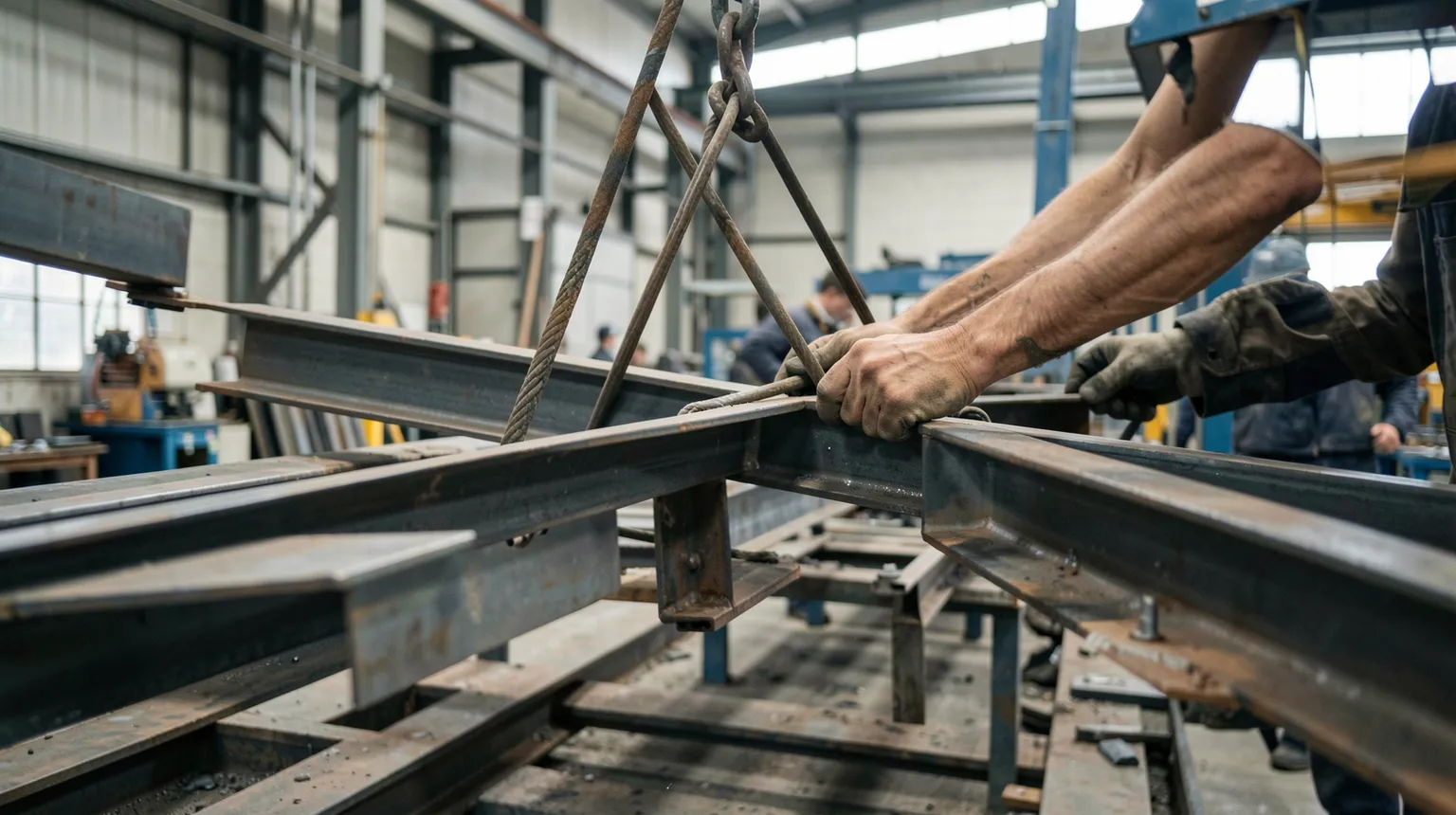
To break the stall, we must move toward Integrated Delivery Models. This is not a "soft" management theory; it is an operational shift in how we assign ownership and risk.
The most effective tool here is the Design-Build model. In this framework, one entity is responsible for both the design and the construction of the project. By collapsing these two silos into one, you eliminate the "handoff" where momentum dies. The people who know how to build it are the ones designing it. They understand the torque settings, the material constraints, and the site logistics while they are still drawing the lines on the page. This creates a feedback loop that identifies problems in month two instead of year three.
For even larger projects, we look toward Consortium Models. Here, multiple organizations—public and private—work as a single integrated unit. The goal is to share risk and expertise so that no one entity is "waiting" for another's permission to proceed with the next step.
This requires three fundamental shifts:
- Unified Ownership: Move from "I did my part of the plan" to "We are responsible for the finished asset."
- Concurrent Engineering: Start construction on foundational elements while final designs for secondary systems are being polished. This is only possible when trust and integrated communication are embedded in the contract.
- Real-Time Calibration: Treat the project like a live production line. If something drifts on the floor, the design team sees it instantly and adjusts the "standard" immediately.
Three things you must audit on your next CapEx site visit
If you are overseeing or auditing a large-scale capital project this week, stop looking at the percentage of completion in the status report. Instead, look for these three indicators of integrated flow:
- The Change Order Frequency: Are we seeing a high volume of "Design Correction" orders? If so, your design and construction teams are still operating in silos. A healthy integrated project should have fewer change orders because the design was built with execution in mind from day one.
- The Feedback Loop Speed: Ask the site foreman: "When you find a physical constraint on-site today, how many hours or days does it take for that information to reach the engineering team and result in a revised spec?" If the answer involves multiple meetings or "waiting for the next monthly review," you have a Sequential Stall.
- Ownership Clarity: Identify who is responsible when a design flaw meets a physical reality. Is there a clear, pre-negotiated reaction plan? In an integrated model, that responsibility should be unified and immediate, not a point of contention between two different contractors.
Stop managing the sequence of papers. Start managing the flow of work.
Download and Share This Issue
Call to Action
What is the single biggest operational bottleneck currently slowing down your program? Let me know—and if this helped you frame that problem, share it with a colleague who needs an honest diagnosis.
Newsletter replies and questions: [email protected]
Follow updates on X.com: @kaizen6sigma
References
Advanced Manufacturing: A New Framework for Defense Infrastructure Modernization