
The single point dependency trap: When the chokepoint is not a strait
In my years walking shop floors, I’ve seen what happens when "efficiency" becomes a synonym for "fragility." We often talk about bottlenecks as if they are just logistical hurdles—a delayed shipment of raw castings or a late delivery of specialized fasteners. But in reality, many of our biggest vulnerabilities aren't geographic; they are structural. They are built into the very processes we designed to be lean.
I call this The Just-In-Time Illusion.
A supply chain is not just a flow of goods; it is a series of dependencies. When you rely on a single supplier for a critical component because they offer the best price or the tightest tolerance, you aren't "optimizing" your procurement—you are deferring a crisis. You are betting that the world will remain static so that your inventory can stay low.
When we look at global headlines about maritime chokepoints like the Strait of Hormuz, it is easy to view those as "external" problems for someone else to solve. But if you have a single source for a specialized resin or a specific micro-controller, you are already operating inside that chokepoint. The risk isn't just out there in the water; it’s right here in your inventory logs and your procurement contracts. If your production line stops because one ship can’t pass through a narrow strait, your "efficient" process has failed its primary job: keeping the machines running.
Why we still plan for 'optimal' instead of 'resilient'

There is a fundamental difference between an efficient process and a resilient one. Efficiency asks, "How do we do this with the least amount of waste?" Resilience asks, "What happens when the preferred way to do this fails?"
The reason many organizations struggle here is that they treat "redundancy" as a dirty word—a synonym for waste. In a traditional Lean environment, holding extra stock or maintaining secondary supply lines looks like "muda." But we need to reframe how we view these costs.
Resilience is not the opposite of efficiency; it is the insurance policy for it.
We often fall into the trap of designing for the "sunny day" scenario. We build processes that work perfectly when every ship arrives on time, every vendor meets their lead times, and every port stays open. This is what I call The Optimization Trap. When we optimize solely for cost-per-unit without accounting for the probability of a total stop, we aren't being smart; we are being lucky.
To move toward true resilience, we have to stop seeking "optimal" in a vacuum and start building "robust." A robust process is one that can take a hit—a port strike, a geopolitical shift, or a factory fire—and still produce parts at the end of the day. We must move from a mindset of "just enough" to "enough plus an alternative."
What is truly at_stake: The costs that hit your CAPEX and P&L
When a supply line snaps, the cost isn't just the price of the missing part. It is the compounding damage to your capital expenditure (CAPEX) and your profit and loss (P&L) statement.
If you don’t have a pre-vetted secondary source or a physical buffer for critical components, a sudden disruption forces you into "emergency mode." This is where the costs spiral out of control:
- Expedited Freight: Paying triple for air freight to move parts from a distant supplier just to keep a line running.
- Idle Labor: Paying your skilled operators and technicians to stand by while they wait for a component that isn't coming.
- Contract Penalties: Missing delivery windows for your own customers, leading to hits on your reputation and potential liquidated damages.
The most dangerous cost, however, is the "hidden" CAPEX of reactive planning. When a crisis hits, you are forced to make desperate decisions—buying out stock from competitors at inflated prices or frantically engineering a substitute part that wasn't tested in the lab. These aren't planned investments; they are emergency drains on your budget.
| The Comfortable Rationalization | The Underlying Reality |
|---|---|
| "We don't need extra safety stock; it's waste." | A lack of buffer is a decision to accept high-cost emergency freight later. |
| "Our current supplier is reliable enough." | Reliance on one source is an unhedged risk in your P&L. |
| "The problem is 'out there' (geopolitics)." | The vulnerability is here, in the lack of a secondary procurement path. |
Operationalizing resilience: Five tests for your supply system
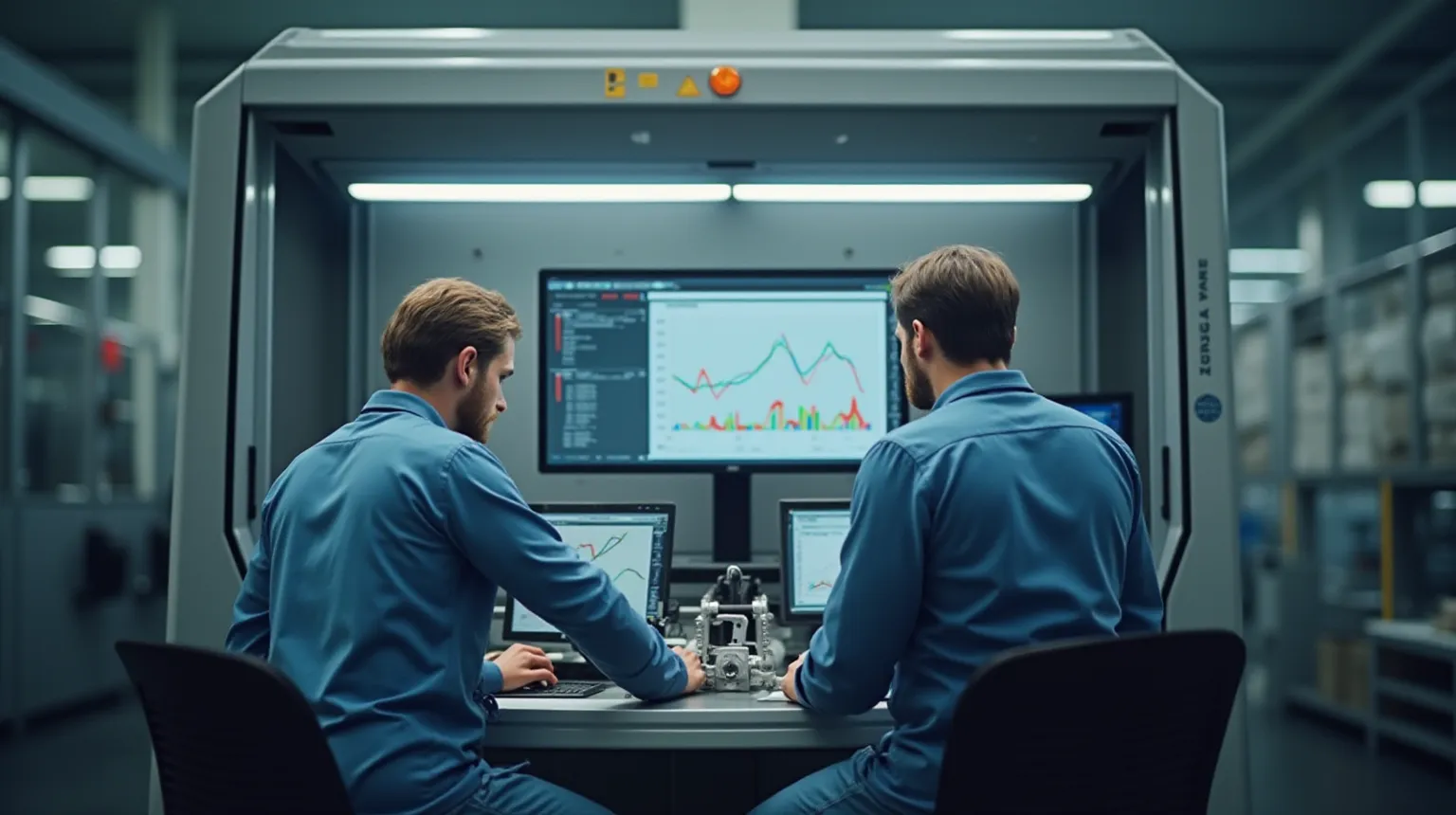
We need to move away from "risk reports" that just list problems and toward operational plans that solve them. You don’t need a 50-page white paper; you need five specific tests to see if your floor can survive a snap in the chain.
- The Single Point Identification Test: Audit every component on your critical path. If a part has only one supplier and no local alternative, it is a high-risk item. You must identify these "single points" before they become headlines.
- Lead Time Buffer Verification: For any component with a lead time longer than 30 days, do you have enough safety stock to cover at least two months of production? If not, your "just-in-time" model is actually just "barely-getting-by."
- The Substitution Readiness Test: Can your floor team switch to an alternative part within 48 hours if the primary source fails? This requires pre-approved engineering specs for substitute parts and updated fixtures/tooling.
- Geographic Decoupling Audit: Are your critical components coming from a single geographic region? If so, you are exposed to local instability (weather, labor strikes, regional conflict). You must diversify the origin of your core components.
- The "Manual" Bypass Capability: In the event of an automated system failure or a data blackout in the supply chain, do your floor leads have a manual process for tracking and ordering parts? Don't let software be the only thing keeping the flow moving.
Practical takeaways for the next 30 days
You don’t need to overhaul your entire procurement strategy by Friday, but you do need to start identifying where the "shatter points" are in your current operation. Here is what I want you to do over the next month:
- Identify the Top 10: Sit down with your production leads and identify the top 10 components that would shut down your primary lines if they stopped arriving tomorrow. These aren't "nice-to-haves"; these are the things that keep the lights on.
- Audit the Suppliers: For those top 10, demand a status report from procurement: Do we have an approved secondary source? If not, what is the timeline to vet one?
- Review the "Red Zone": Look at your current inventory levels for these items. If you are running on paper-thin margins of safety, schedule a meeting with your CAPEX planners to discuss building physical buffers or localizing sourcing for high-risk components.
- Conduct a "What If" Walk: Take one of your team leads out onto the floor and ask: "If this specific part stopped arriving today, what is our move?" If their answer is "I don't know," you have found a gap in your operational readiness that needs to be filled with a clear, written procedure.
- Update the Training: Ensure that your shift leads know who to call and what the protocol is when a shipment is delayed. Don't let the first time they find out about a delay be the moment it hits the news.
Download and Share This Issue
Call to Action
What is the most brittle point in your current supply chain? Share an example (and a lesson learned) with our team at [email protected] and invite another leader who needs this diagnosis.
Newsletter replies and questions: [email protected]
Follow updates on X.com: @kaizen_6sigma
References
IndustryWeek: Strait of Hormuz Watch; Classic BCP literature on single points of failure.