The Myth of the Perfect Feature Set
A common trap in modern warehouse management is treating your WMS as if it were an appliance—something you can improve simply by adding more buttons, toggles, and modules. You see a new capability like AI-driven slotting or omni-channel fulfillment and think, "We need that feature to stay competitive." But here is the truth: a feature list is not an operating system. Adding more features to a fundamentally flawed architecture doesn't make it better; it just makes the underlying flaws harder to see until they cause a catastrophic failure during a peak season or a labor shortage.
I have seen this play out on many floors. A company buys into a "premium" module because the marketing promised ease of use, but because the core engine wasn't built for real-time data flow, that new feature becomes an island. It works perfectly in a demo, but when it has to talk to your inventory system or your shipping labels, it lags. The workers then have to perform "manual workarounds"—the very thing you bought the software to eliminate.
We need to stop looking for the next shiny button and start looking at the foundation. A robust WMS isn't a collection of features; it is an architecture designed to handle variability. If your system requires a human being to manually intervene every time something "unexpected" happens, then you don't have a feature-rich system; you have a brittle one masked by a polished interface.
When a WMS is just transaction processing—and why that breaks now
There is a profound difference between a system that records what happened and a system that manages what is happening right now. Many legacy systems are essentially high-speed ledger books. They excel at "transactional" logic: Item A moved from Bin B to Zone C. This works perfectly in a world of steady demand, consistent labor, and predictable flows. It was enough for the 1990s.
However, modern logistics is rarely stable. When you have fluctuating order volumes, inconsistent headcount, and "just-in-time" requirements that change by the hour, a transaction-only system fails because it cannot pivot. It can tell you that an order is late, but it can't automatically reroute labor to fix the bottleneck.
| The Comfortable Rationalization | The Operational Reality |
|---|---|
| "The system processed the pick successfully." | The system didn't realize a nearby aisle was blocked by a forklift and couldn't re-route the picker in real-time. |
| "We have enough features to handle peak." | The feature exists, but the lack of integration means manual data entry is required to bridge two different modules. |
| "The software handles our inventory." | The system shows items as available even when they are physically stuck in a staging area because it lacks state-awareness. |
When your WMS only processes transactions, it becomes a passive observer rather than an active manager. It doesn't help you navigate the day; it just records your struggle to get through it.
The true function of an operating system in logistics
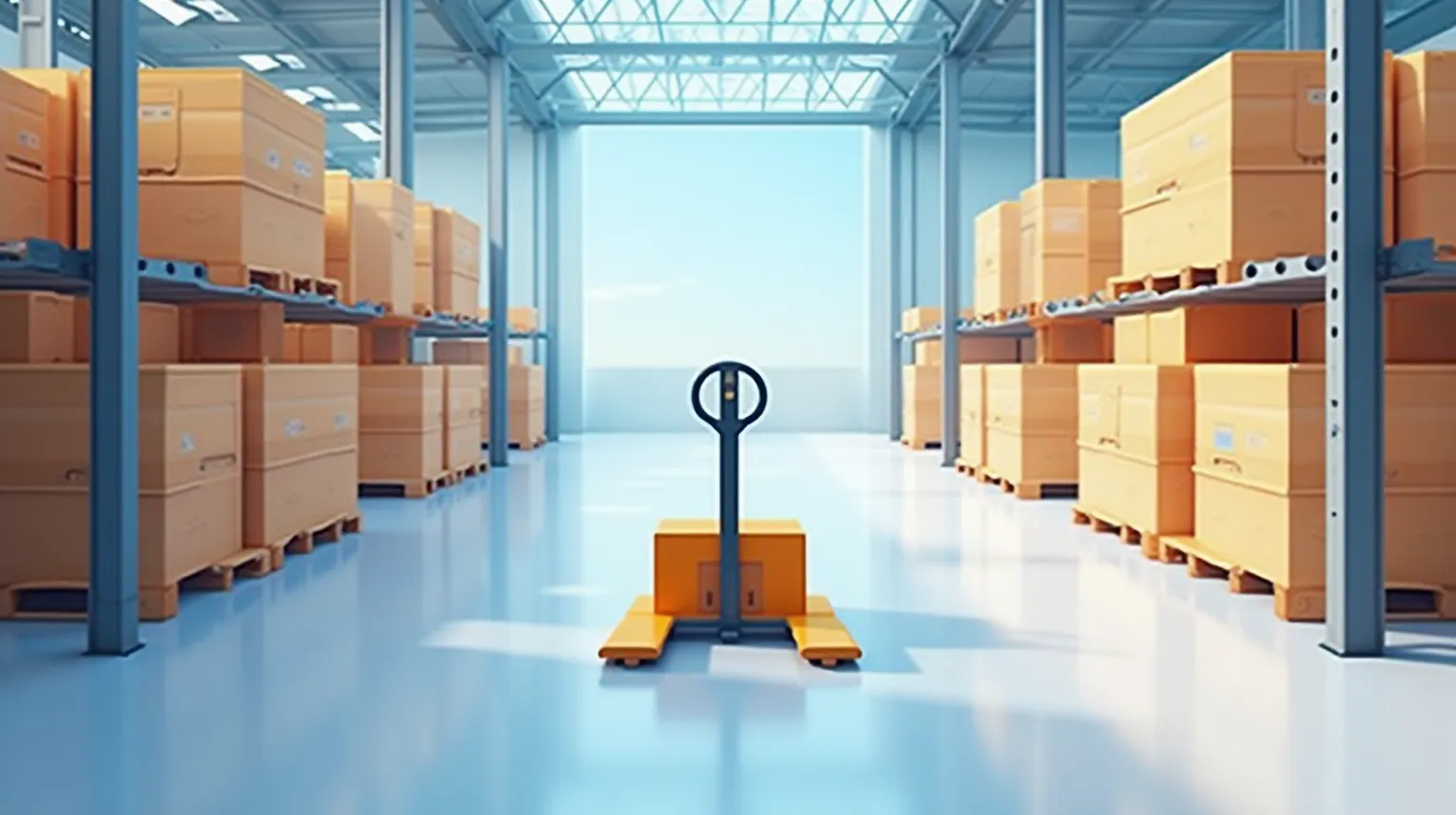
In any manufacturing or warehouse environment, an "operating system" is the logic that governs flow and state. Think about the difference between a calculator and a thermostat. A calculator processes a transaction (math); a thermostat manages a state (temperature). If the temperature drops, the thermostat doesn't just record it; it reacts to maintain the desired state of the room.
A true logistics operating system must manage state and flow. It needs to know not just that an item was picked, but where that item is in its journey at any given millisecond—whether it’s on a conveyor, sitting in a staging lane, or being sorted for a specific carrier.
When we talk about "adaptive orchestration," we are talking about the system's ability to recognize when reality deviates from the plan and automatically adjusting the path of least resistance. If a sorter goes down, the WMS shouldn't just alert you; it should instantly recalculate the routes for all downstream tasks. It must understand the physical constraints of your floor—the fact that a worker can only be in one place at once, or that a pallet cannot occupy two spaces simultaneously. You aren't looking for better "features" to manage your inventory; you are looking for an architecture that understands and manages the movement of goods through time and space.
What happens when your architecture is brittle?

When your WMS lacks this adaptive core, it creates what I call The Bottleneck Cascade. Because the system cannot handle variability, every minor hiccup on the floor becomes a magnified problem for the entire operation.
I’ve seen this happen in dozens of facilities: A single pallet gets misplaced in a cross-docking area. In an adaptive system, the WMS would flag the discrepancy and reroute pickers to other zones while flagging that specific item for a quick manual fix. In a brittle, transaction-based system, the software simply "doesn't see" it. The picker stops because they can't find the item; the next order in line is delayed; the sorter starts backing up; and by 2:00 PM, your shipping dock has three trucks waiting for loads that aren't ready because of one missing pallet from 9:00 AM.
The cost isn't just a late shipment. The cost is the "friction" it creates for your people. When the system can't handle the reality of the floor—like an unexpected spill, a broken belt, or a call-out on the night shift—your managers have to spend their time solving technical puzzles instead of managing their teams. A brittle architecture forces your best people to become "human glue," manually bridging the gaps between pieces of software that don't talk to each other properly.
The 4 Pillars of Adaptive WMS Architecture
To move from a feature-heavy list to an execution-focused system, you must evaluate your technology against these four pillars:
- Modularity: Each component (picking, packing, inventory, shipping) should be able to communicate independently while remaining part of the whole. If one module fails or needs updating, it shouldn't bring down the entire flow.
- State Management: The system must track the "state" of every asset—not just its location. Is the pallet moving? Is the dock door open? Is the worker currently assigned to a specific task? Knowing the state allows for real-time decision-making.
- Real-Time Variability Handling: This is the ability to reroute, reschedule, and reassign on the fly. If an order's priority changes or a piece of equipment fails, the system should automatically recalculate the most efficient path forward without manual intervention.
- Human Integration Points: The WMS should be designed for how humans actually work. This means clear instructions at every step, minimal "swiping" to get to basic information, and an interface that provides actionable data rather than just a screen of numbers.
Actionable steps for your IT roadmap this quarter
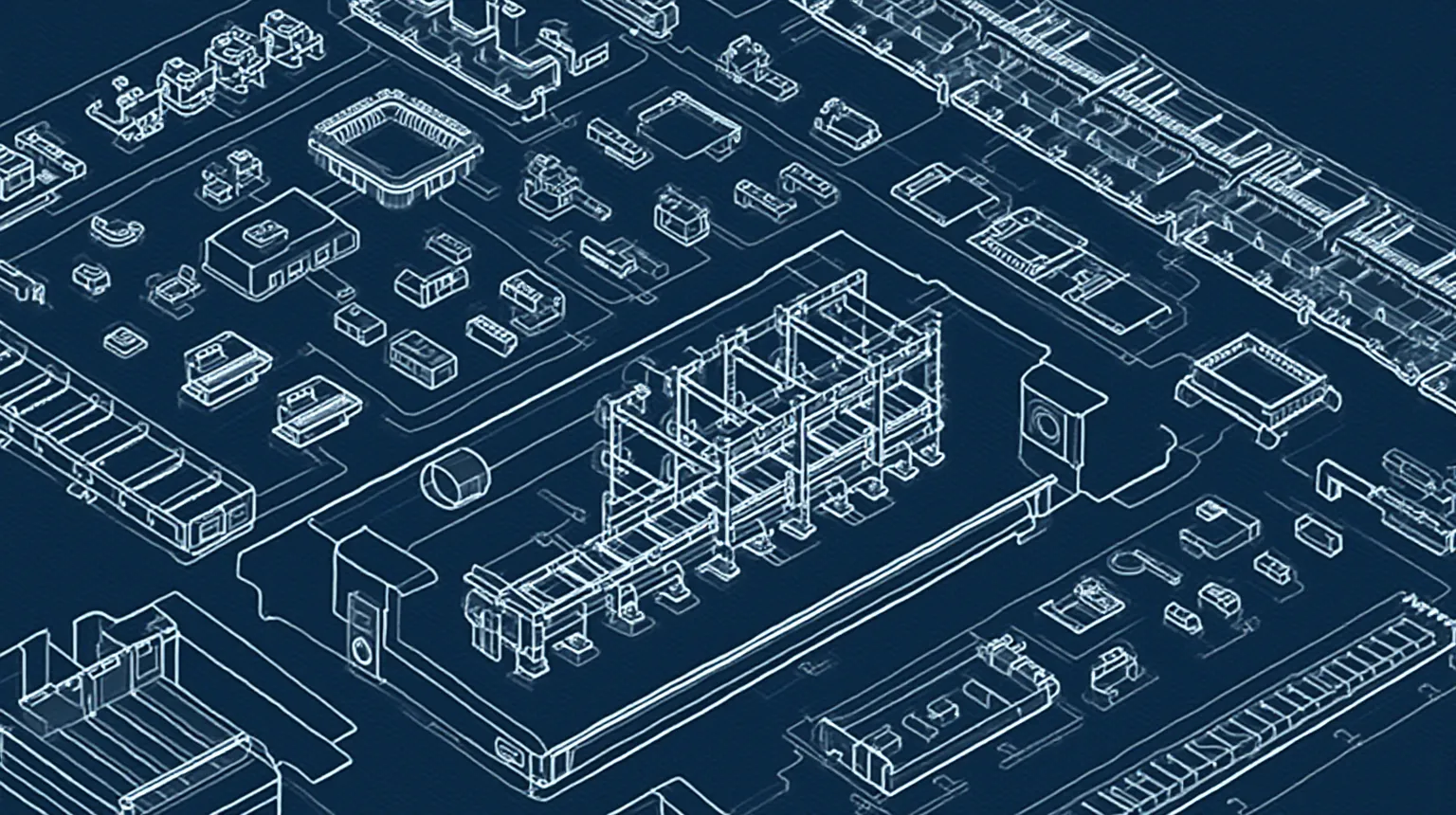
You don't have to replace your entire system tomorrow to start fixing the architecture. You can begin by auditing where the current system is failing to manage "state" or "flow." Here are three things you can do immediately:
- Identify the "Manual Bridge" Points. Walk your floor and find every instance where a worker has to leave their station, call a supervisor, or use a piece of paper to solve a problem because the system didn't give them the answer. These are your primary points of architectural failure.
- Audit Your Exception Handling. Ask your IT team: "When [Scenario X] happens—like a pallet being in the wrong zone or an order changing mid-stream—what does the system do automatically?" If the answer is "it waits for someone to click a button," that's a gap you need to close.
- Map Your Data Latency. Determine how long it takes for information at the dock to reach the office and vice versa. If your system is only updating in batches every 15 minutes, it isn't managing flow; it’s just reporting history.
The Next Level of Operational Thinking
The ultimate goal is moving away from "Software as a Tool" toward "System as Infrastructure." A tool helps you do something better; infrastructure allows the operation to function reliably under stress.
When your WMS becomes an extension of your physical floor—where it anticipates bottlenecks, manages your people's time effectively, and adapts to the chaos of daily operations—you move from reactive management to proactive leadership. You stop fighting the software to make the work happen and start using the system to let the work flow. The goal isn't a "perfect" piece of code; it’s an architecture that respects the reality of your floor, where the only thing your team has to worry about is moving product from point A to point B.
Download and Share This Issue
Call to Action
Where is your current system failing the most in real-time? Share your thoughts and tell us which architectural weakness you are currently wrestling with at [email protected] or @kaizen_6sigma.
Newsletter replies and questions: [email protected]
Follow updates on X.com: @kaizen_6sigma
References
LogisticsViewpoints: Why WMS Architecture Now Matters as Much as Feature Breadth (2026)